Category: Secret season

Secret Season: Marazion

Photo 04 03 2025 10 30 24

We visit Marazion during Secret Season to experience what it’s like during the cooler, quieter months.

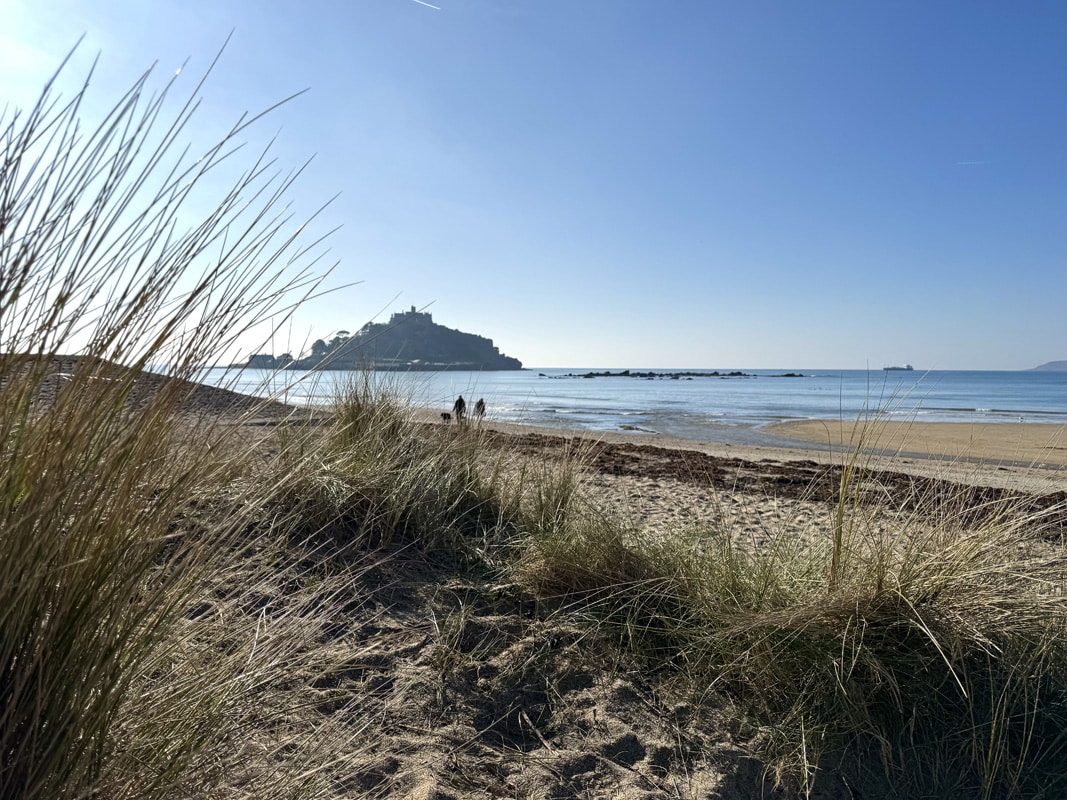
Although the first hints of spring sunshine were starting to take hold, the breeze on the beach still felt fresh. Many visitors might wait for the boat service to St Michael’s Mount to start running again in peak season before planning their trip. However, in the winter months, you can walk across the causeway on foot, so we waited for low tide, wrapped up warm, and set off in search of Marazion’s seasonal secrets.

Photo 04 03 2025 10 30 24

Marazion is home to a long, sandy beach and a charming village, overlooked by the fortress of St Michael’s Mount, which stands proudly out to sea. The causeway leading to the island is revealed at low tide, allowing visitors to walk across to explore its historic grounds. Built in 1425, the stone causeway is a reminder of the island’s long history and connection to the mainland.
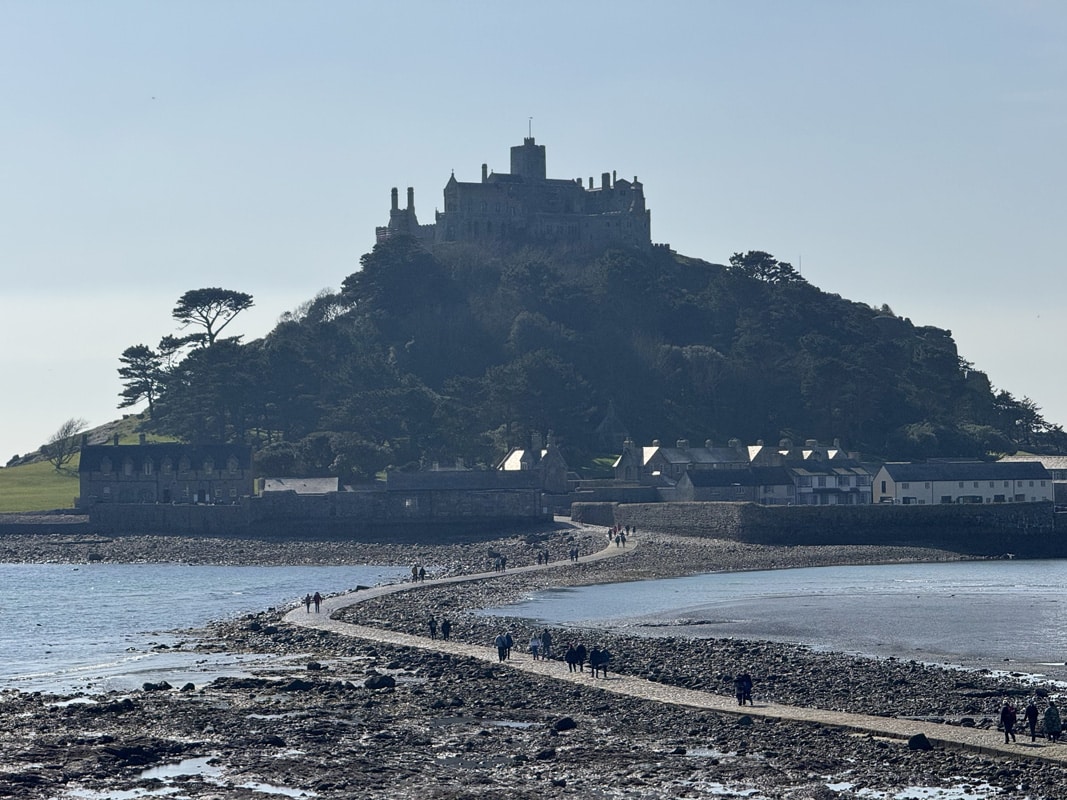
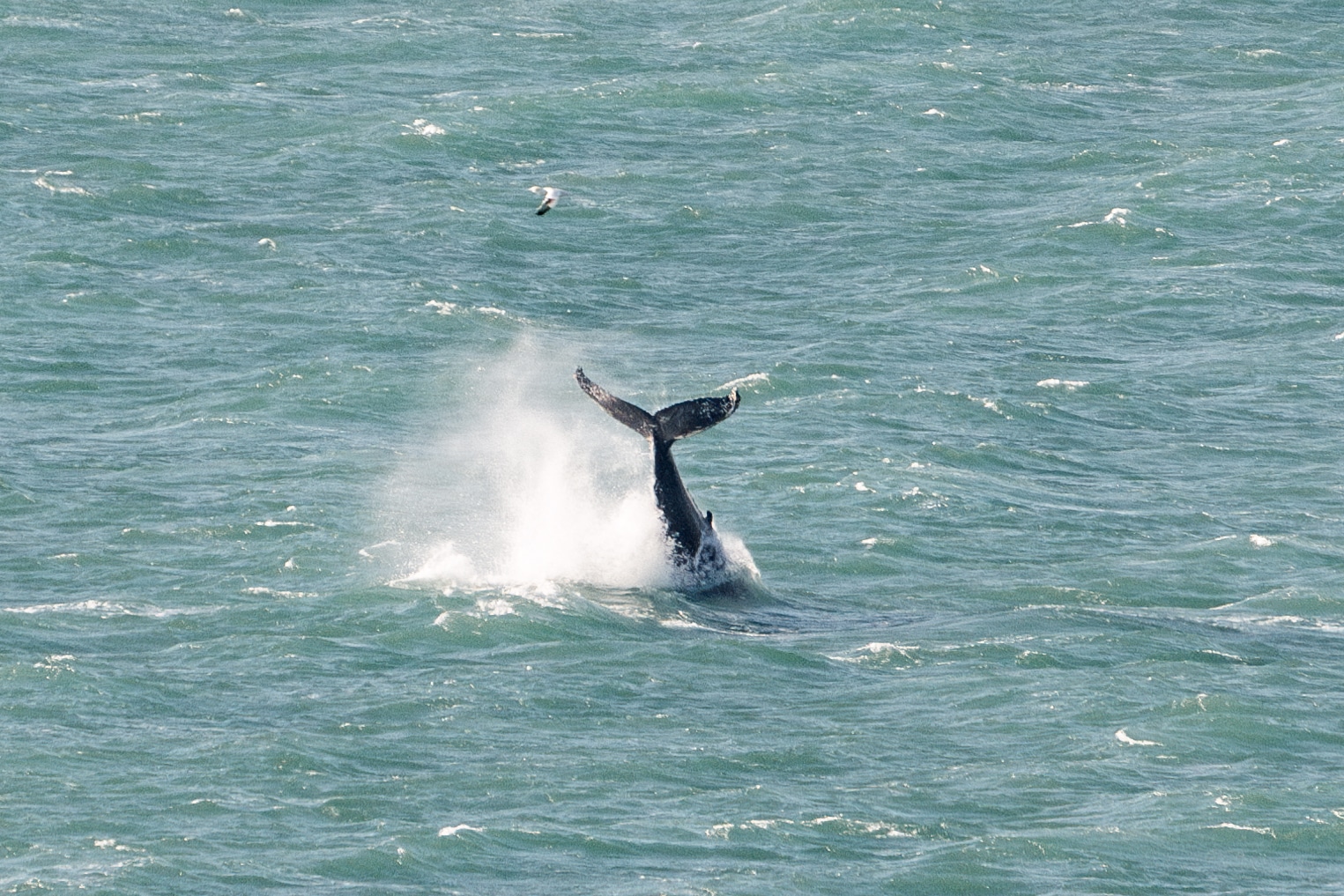
Photo 04 03 2025 12 11 00In the village, you’ll find craft shops and galleries, the scent of fresh fudge drifting down cobbled lanes, and long stretches of beach dotted with dog walkers (dogs are welcome outside of July and August). The area is also a haven for wildlife—keep an eye out for seals, dolphins, and even basking sharks, as well as egrets, sparrowhawks, and starlings.
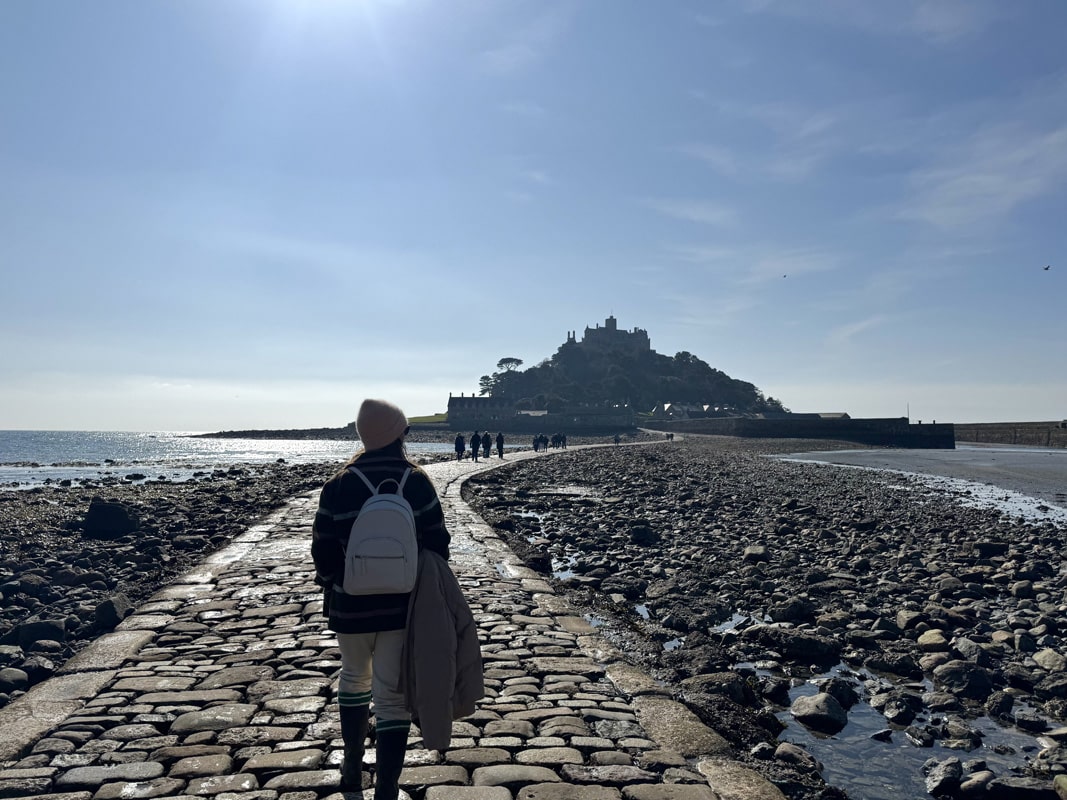
Photo 04 03 2025 12 38 39

St Michael’s Mount

On the island, the Island Café is open, serving pasties, wraps, and sandwiches. With fewer visitors around, it’s a great time to bring your own picnic and enjoy it on the benches, harbour wall, or even the quiet harbour beach.
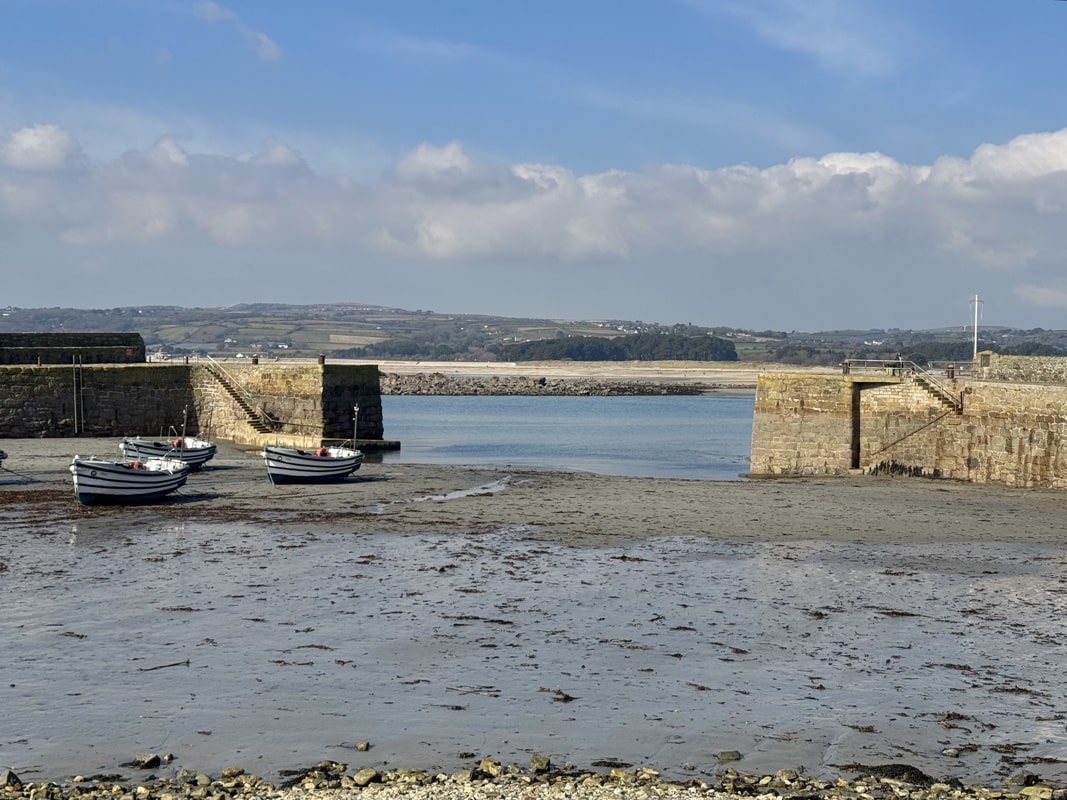
Photo 04 03 2025 13 36 07Without the usual crowds, you can take your time exploring. Free walking tours run every hour on the hour, offering insight into the island’s history. The Island Shop is open, along with The Barge House, where you can learn about the castle’s past and the St Aubyn family, who still live in the castle and run it in partnership with the National Trust.
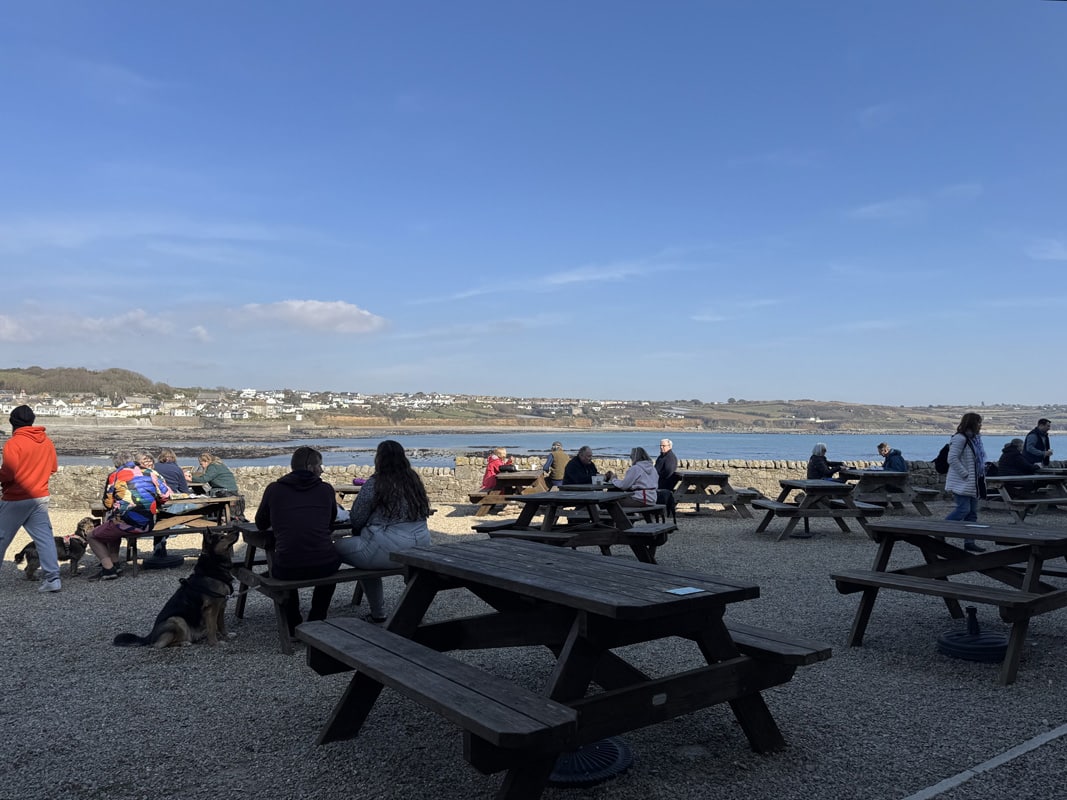
Photo 04 03 2025 13 31 25

Exploring the town

We parked in the long stay car park, giving us the full day to soak up the sights. After a walk along the sand, we found a small cove to the left of the main beach, sheltered by the harbour wall. The whole village feels peaceful at this time of year, with just a few dog walkers and parents with young children enjoying the shoreline.
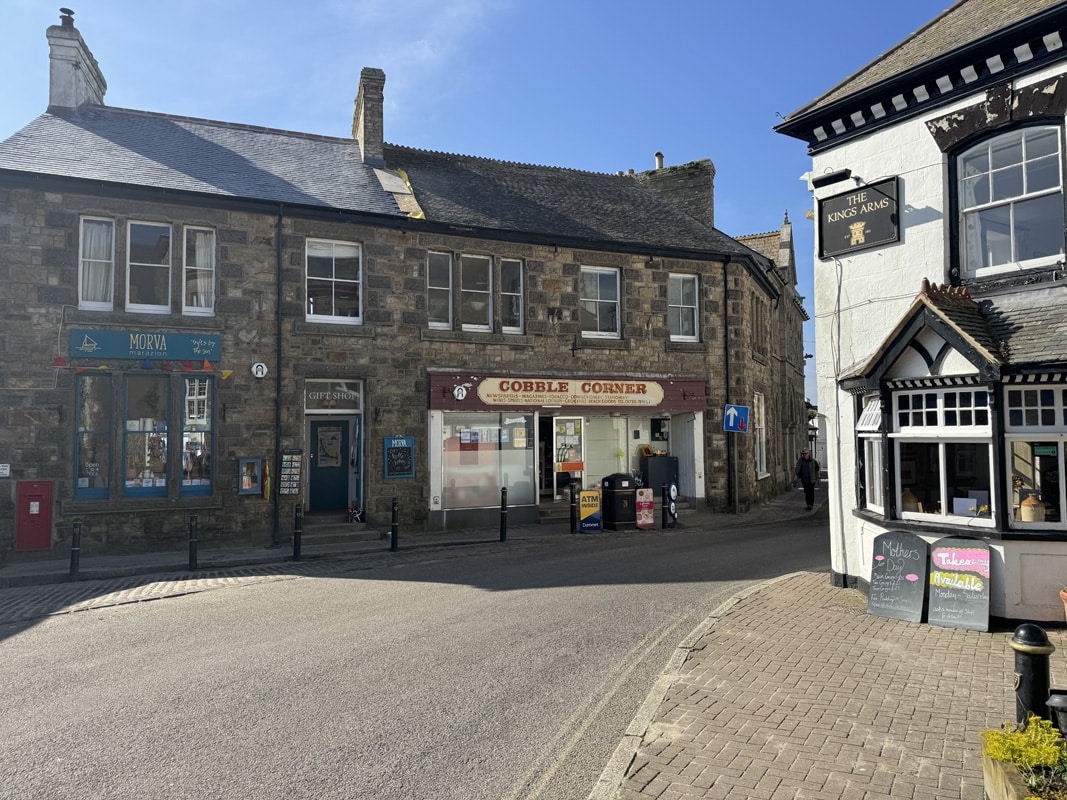
Photo 04 03 2025 12 14 07

Passing the quirky town hall, which adds a striking splash of red to the quaint brick cottages, we wandered the village high street, home to a variety of independent businesses.
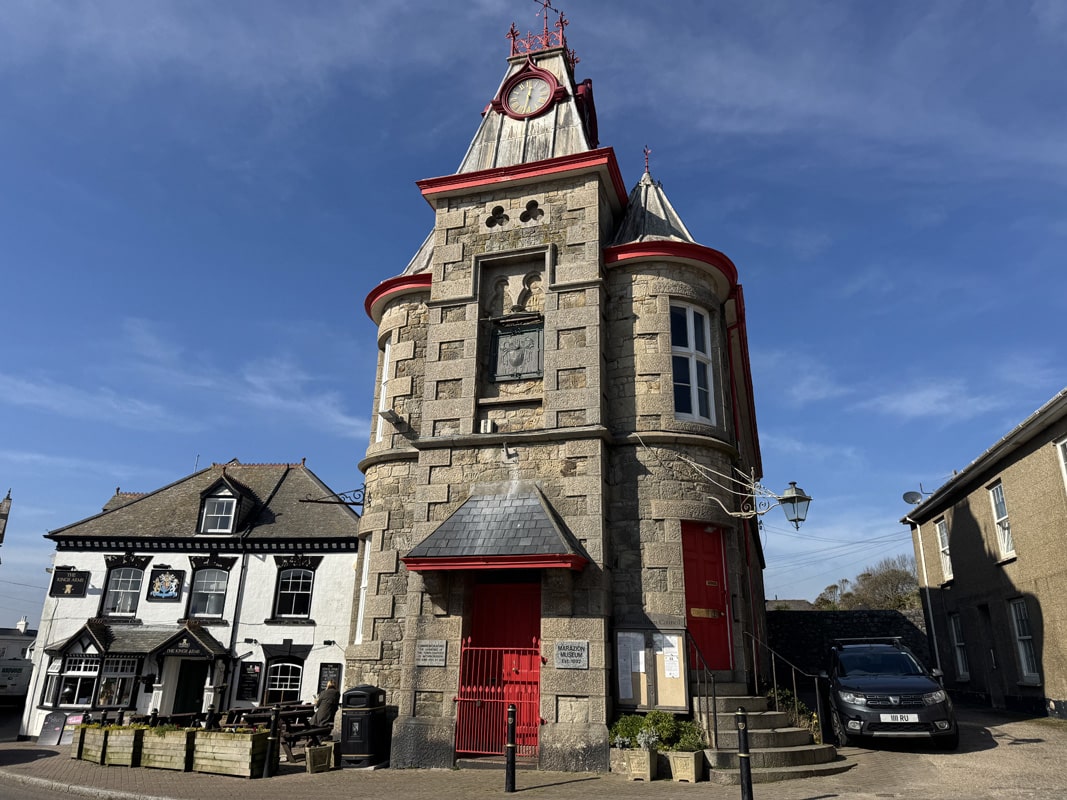
Photo 04 03 2025 12 28 10

Food and drink

For a great cup of coffee, head to The Copper Spoon, a small but well-loved spot serving high-quality brews. Open on select days in the off-season (check opening times on Google before you visit), it’s the perfect place to warm up with a carefully crafted espresso or filter coffee.
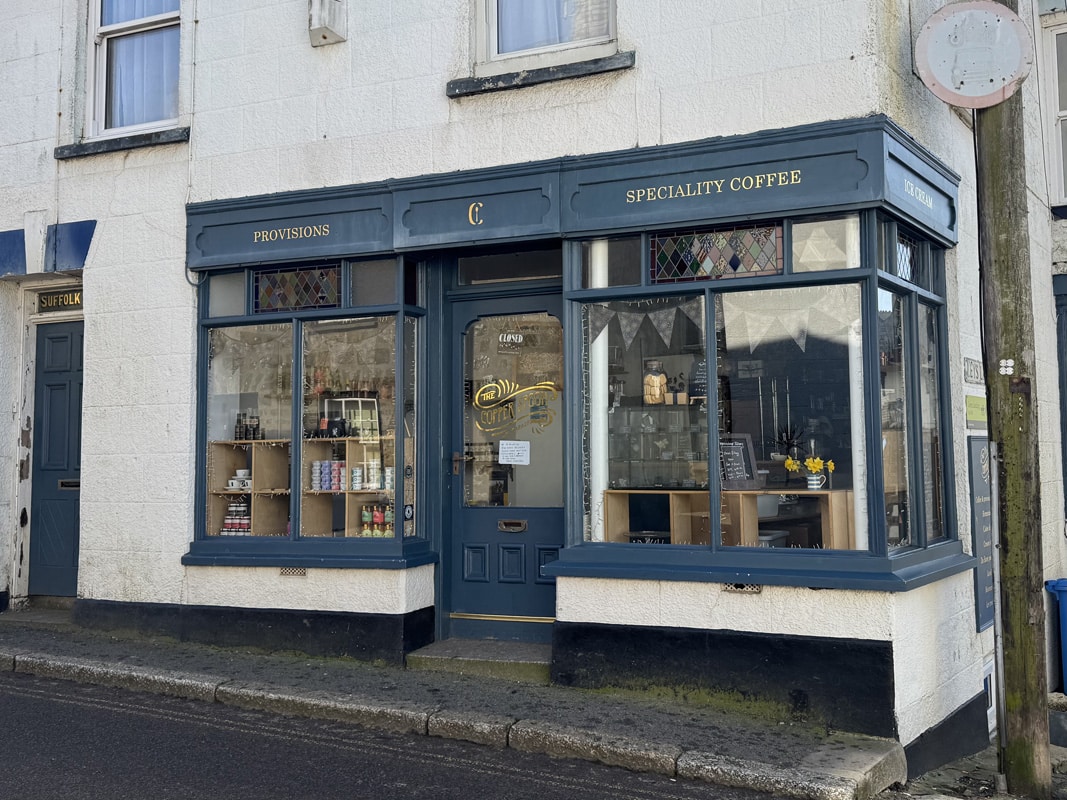
Photo 04 03 2025 10 58 51

For brunch with a view, The Godolphin is the place to be. Overlooking St Michael’s Mount, it has a lively, welcoming atmosphere, stylish décor, and a menu filled with fresh, locally sourced dishes. Whether you’re after a long, leisurely brunch, a quick coffee, or an evening drink with a sea view, this spot never disappoints.
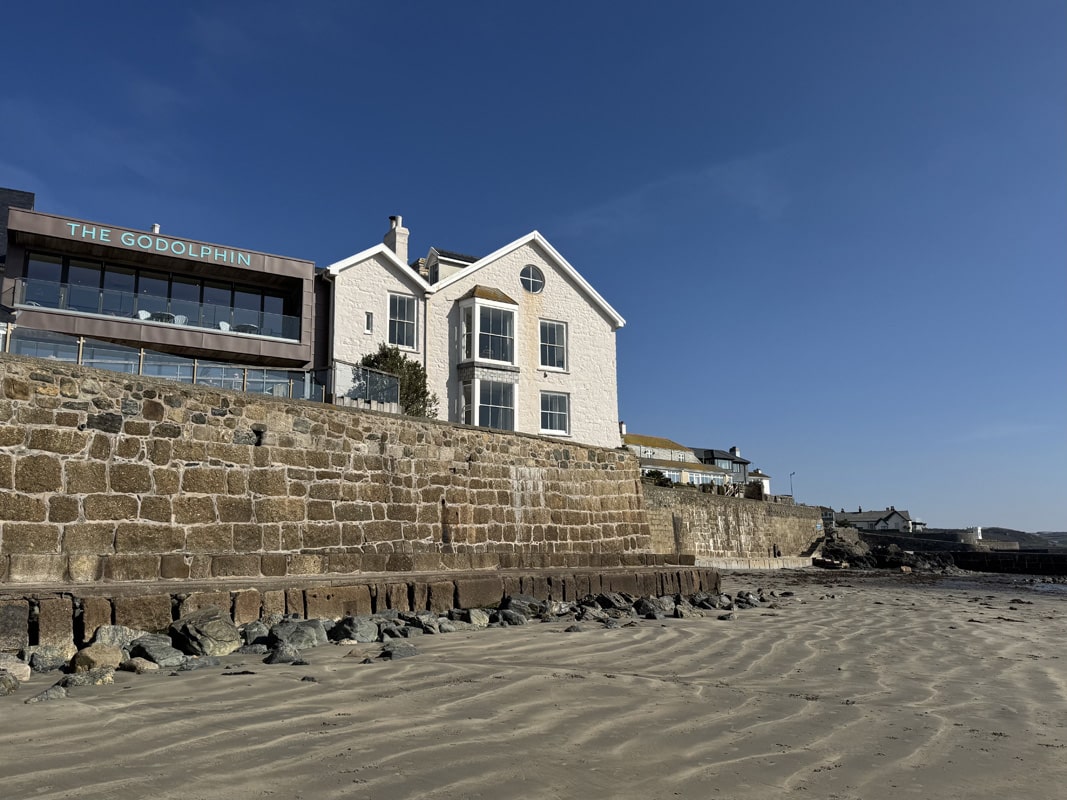
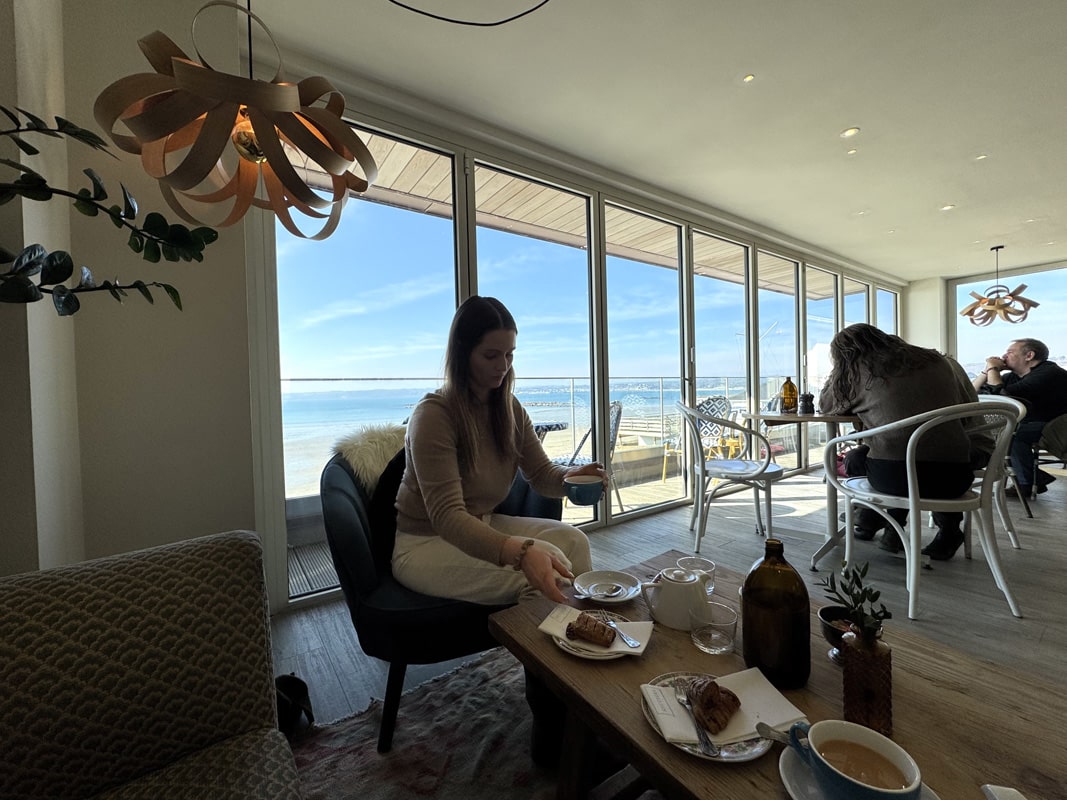
Photo 04 03 2025 12 34 34

Photo 04 03 2025 11 43 10

For a relaxed meal or a drink, Cutty Sark offers a welcoming bar and restaurant setting, while The Kings Arms is a traditional pub serving classic dishes in a cosy atmosphere. Both are great options for settling in after a day exploring the coast.
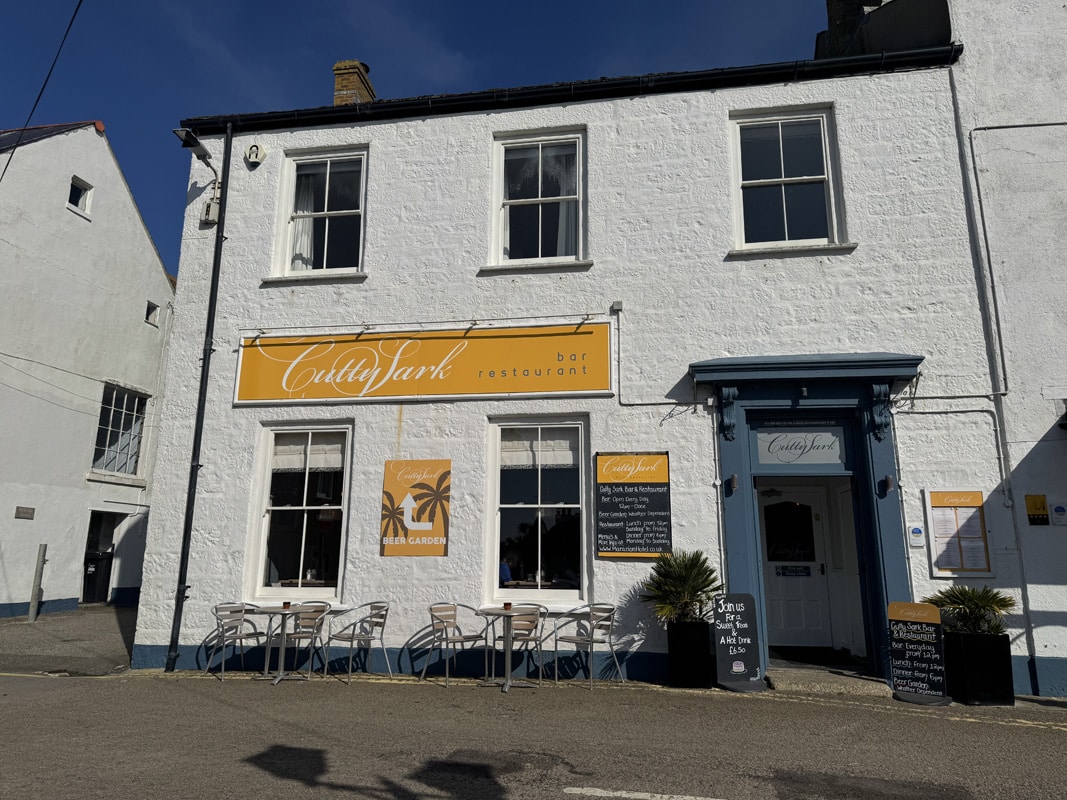
Photo 04 03 2025 12 12 11

As you wander through the town, the smell of fresh fudge wafting from Roly’s Fudge Pantry might just tempt you inside for a sweet treat. Next door, Ruby’s is the go-to for ice cream, perfect for a post-coastal walk delight whatever the weather.
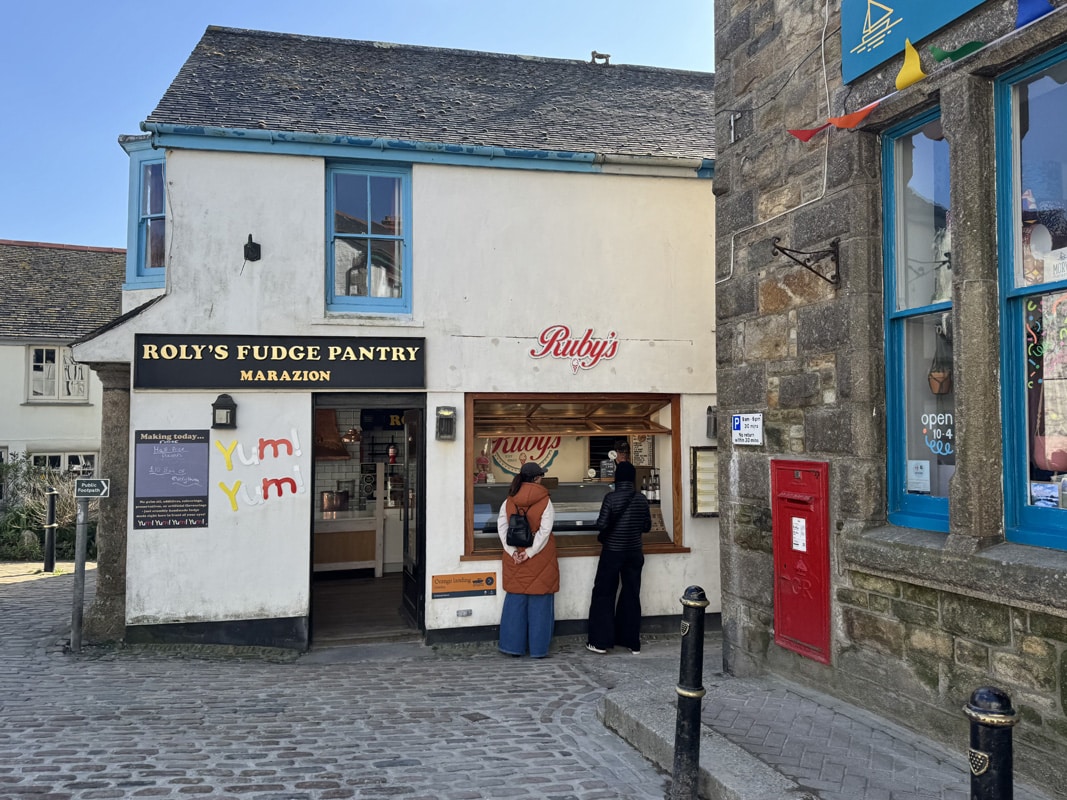
Photo 04 03 2025 12 14 35

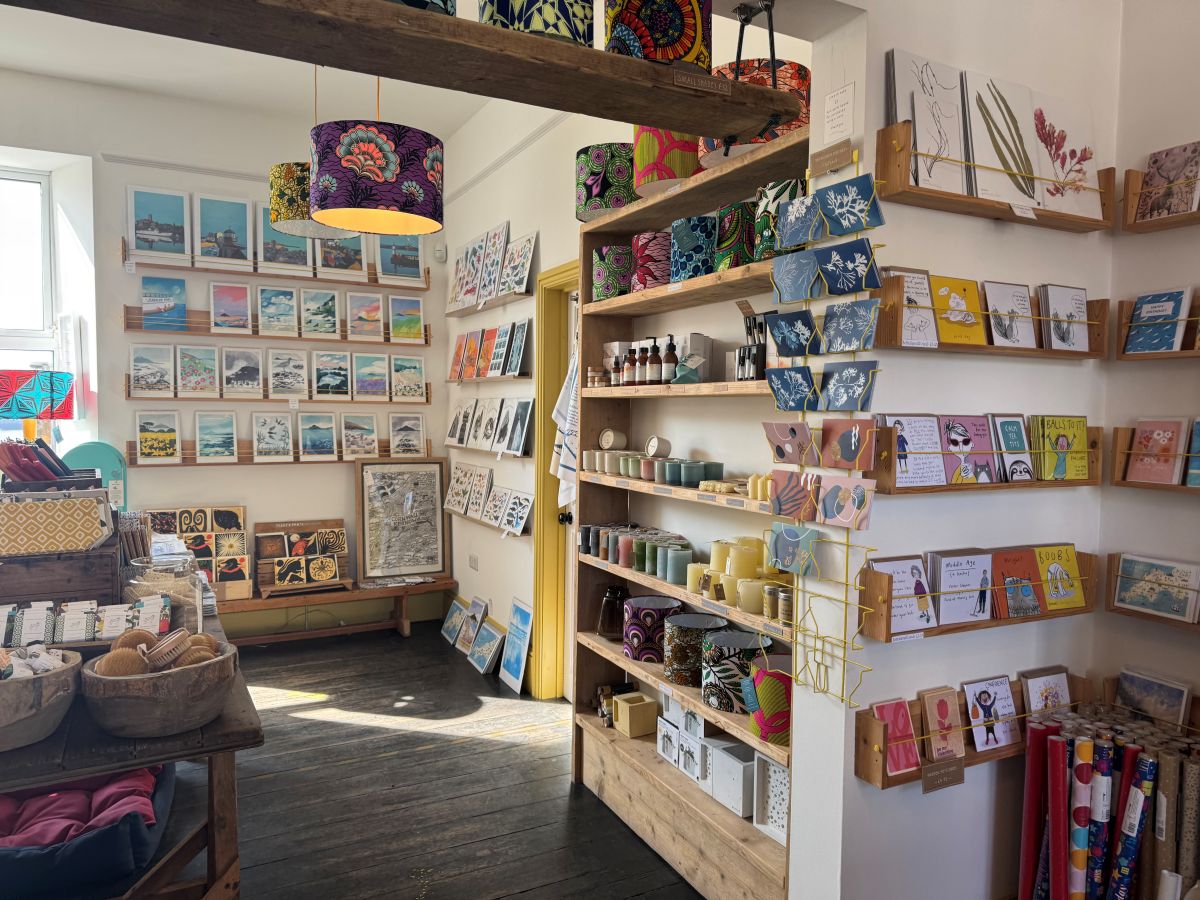
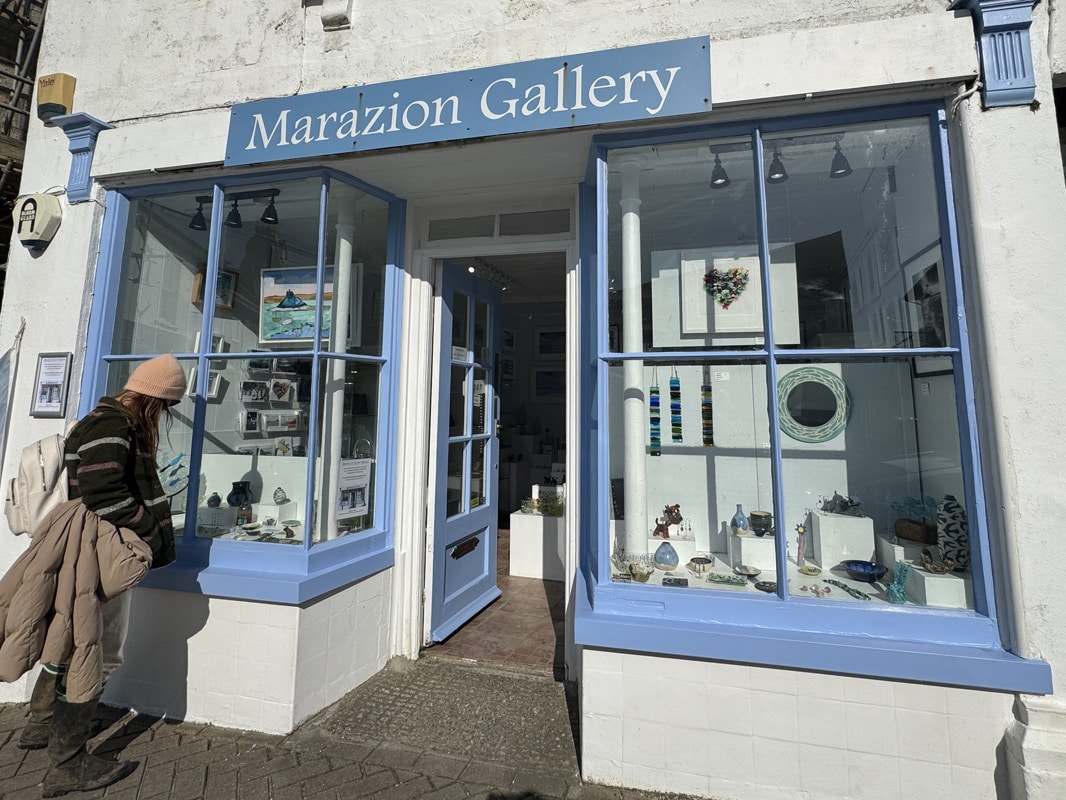
Marazion is home to a number of independent galleries and shops, each offering something unique. Browse art, homeware, and gifts at Morva Marazion, or take in beautiful local artwork at Market House Gallery, Marazion Gallery, and The Summerhouse Gallery, each showcasing pieces inspired by the Cornish landscape and lifestyle.
IMG 6756

Photo 04 03 2025 12 23 10

Marazion retreats

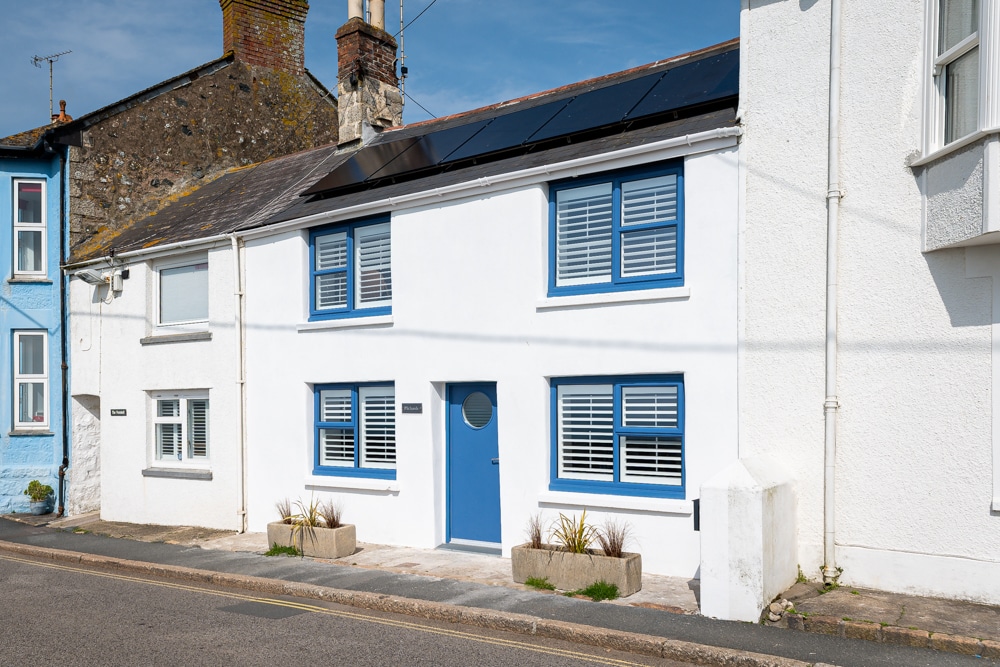
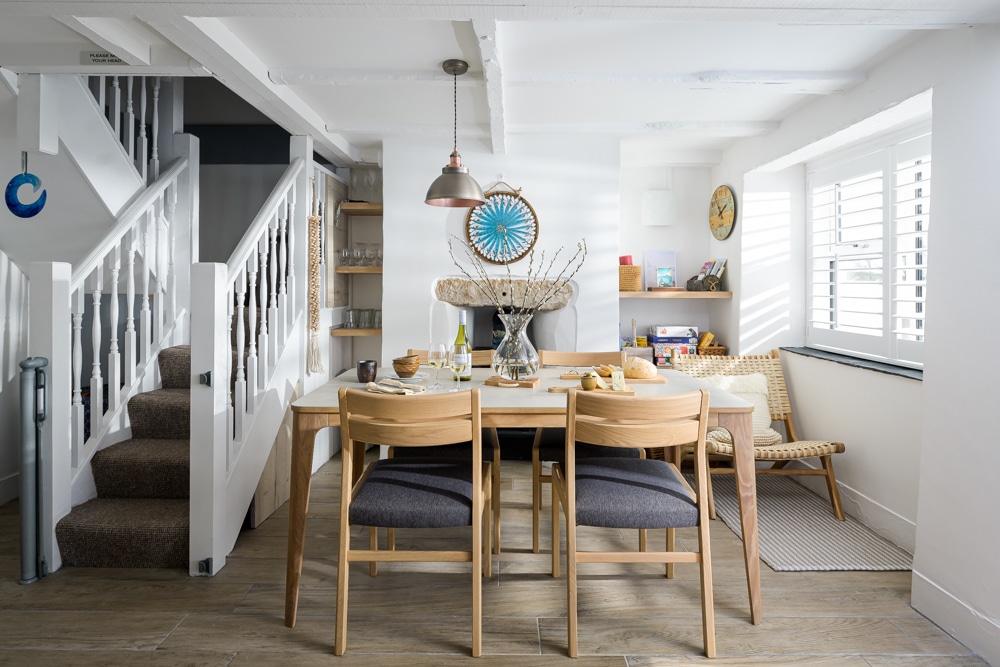
Stay in Pilchards Marazion, a classic fisherman’s cottage sleeping four with views of St Michael’s Mount. Just moments from Marazion’s village centre and beach, inside the picturebook blue and white exterior of this little cottage you’ll find cosy interiors perfect for resting after a day of castle adventures.
Pilchards 8633 Edit

Pilchards 8929 EditBook your Marazion stay, or discover more of West Cornwall this Secret Season.
The secret life of…kelp

Kelp underwater

A different side of Cornwall has drifted into view. It’s the season for uncovering shoreline secrets, from the easily overlooked shifts in coastal flora and fauna – those unique sights and experiences you can only find by the sea – to digging into local art and culture, and how to serve the freshest catches made out in the wild seas.

This week, we dive into the secret life of kelp…

Kelp underwater

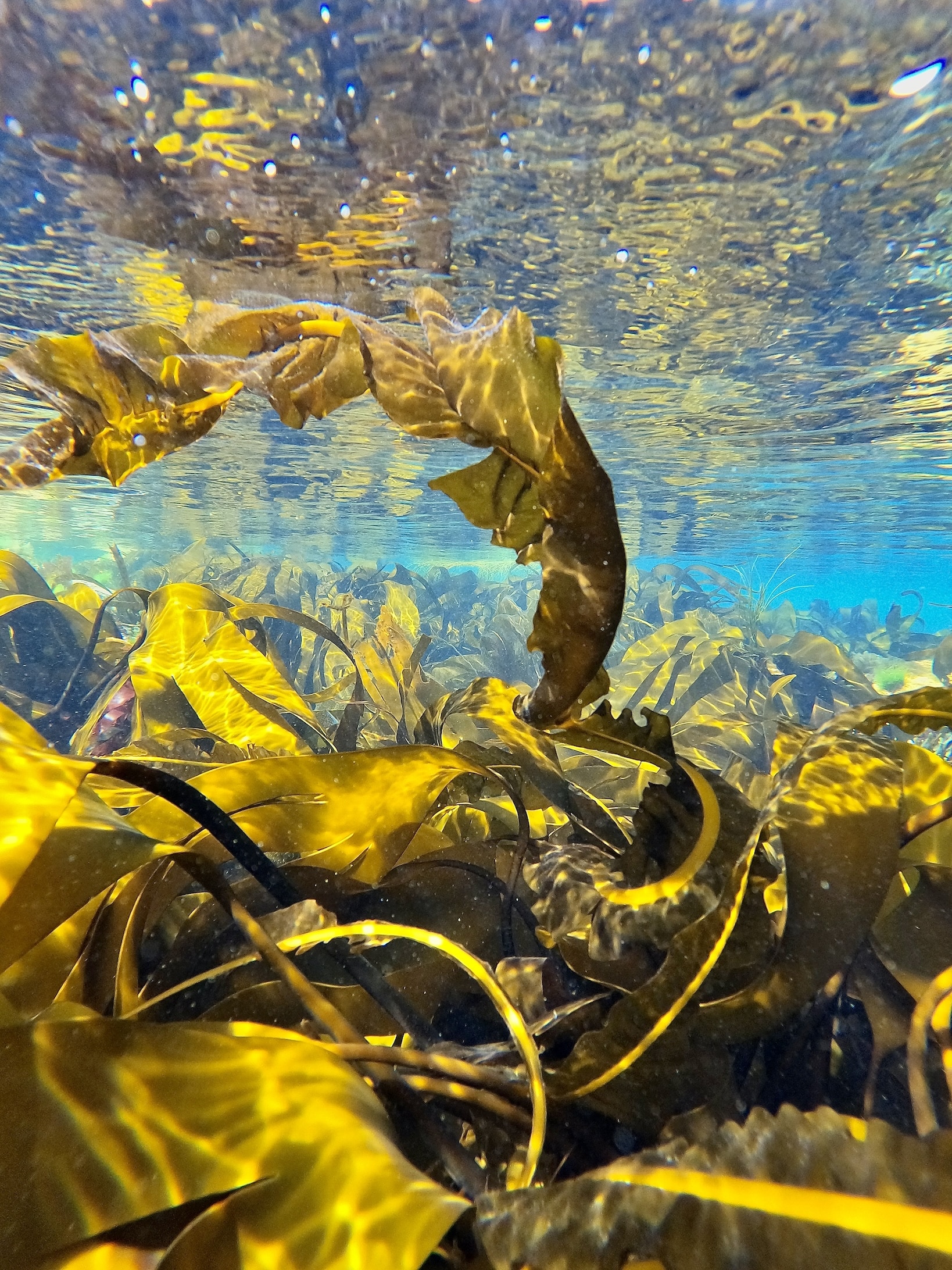
Kelp is often overlooked in nature, controversial in food, and infrequently understood or appreciated. Yet this alga holds more interest and potential than you might imagine.


Take a walk along the beach, and look…down. Away from the birds floating easily overhead and the white ribbons of the waves as they continuously crash over each other. At your feet you find kelp among the varieties of seaweed spread out by the tide in unpredictable bundles and twists. This mass of water plants is evidence of a storm now past that had the strength to move the waves to tear the body of this seaweed from their root-like holdfasts attached to the rocks.

“In a flat clear sea when there’s lots of sunlight the kelp moves back and forth almost hypnotically with the movement of the tides, swells and currents”.

KELP CONSERVATION

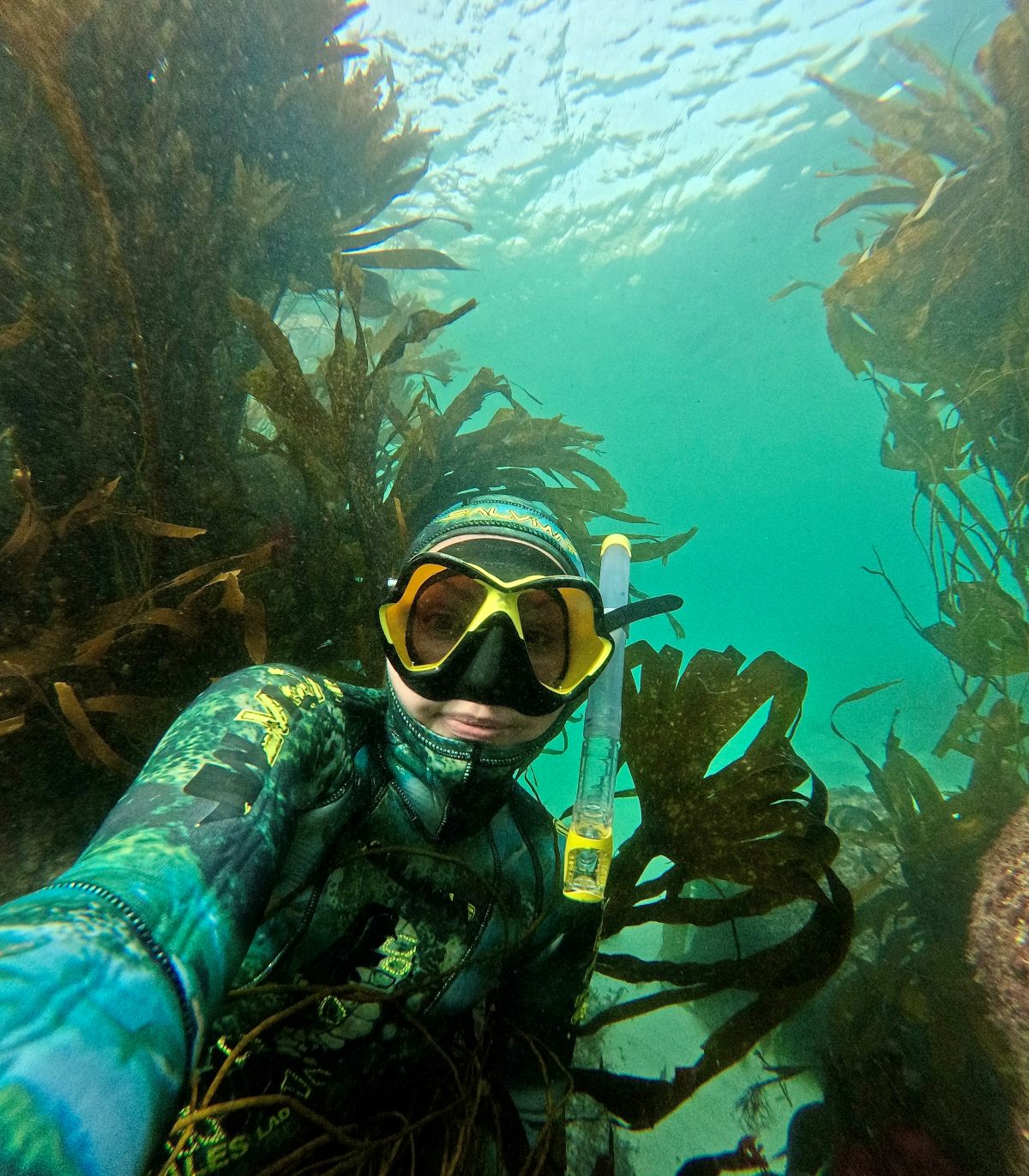
These strands formed a part of the kelp forests under the tide line, sheltering a vast array of sea life: food to others and protecting the coast from erosion by absorbing the power of the waves. Like forests they also act as carbon sinks, and new research is attempting to prove the significance of their environmental contribution. Katie Maggs – a Penzance-based snorkel instructor @tonicofthesea on Instagram – is working to progress conservation with Mounts Bay Marine Conservation Group – @mountsbaymarinegroup. The group are “currently working with Cornwall Wildlife Trust monitoring kelp in the bay using a snorkelling method with GPS.” This work includes areas that have been inaccessible to previous efforts that solely use equipment attached to boats.

Katie With Kelp Resized

Because she has been snorkelling in the same places almost daily, Katie has become easily attuned to changes in patches of kelp along the coast, changes that are so important to monitor and understand as the first step in any conservation work. Katie also took part in the award winning film Green Ocean Gold which illustrates some of the ways kelp and other seaweeds are being used to imitate plastic, and provide solutions for the climate crisis.

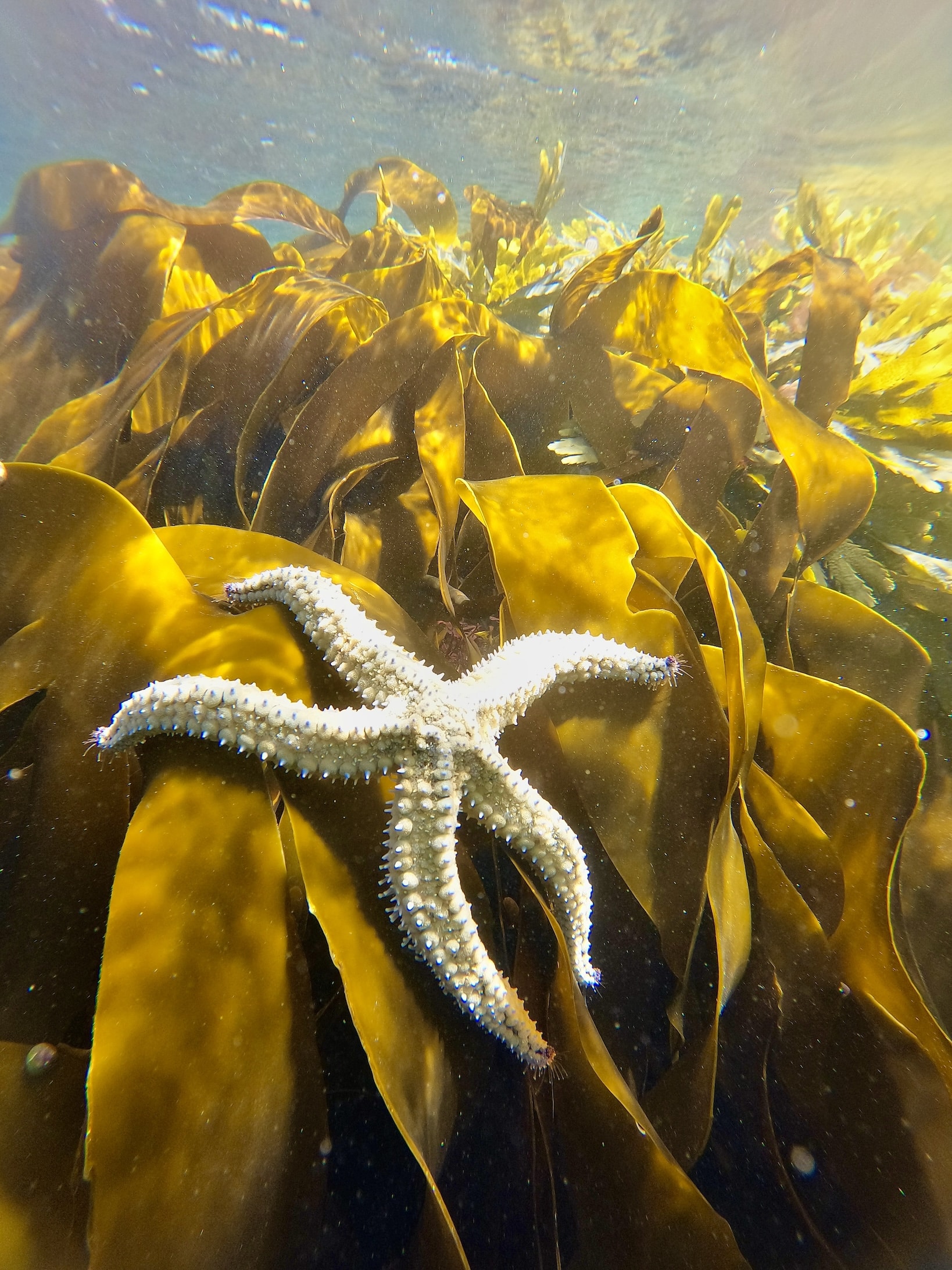
Starfish with kelp

FOREST SWIMMING

But for Katie, the real joy is to catch sight of these forests underwater. “In a flat clear sea when there’s lots of sunlight the kelp moves back and forth almost hypnotically with the movement of the tides, swells and currents”.

After all, it is here that it serves as a habitat for marine life. A snorkelling trip with Katie may uncover “slinking baby seals, colour changing cuttlefish or curious octopus”. Details like this contribute to the mental health benefits of Katie’s snorkelling sessions, which are socially prescribed by the NHS for well-being.

Recently she has also begun a project “using [her] own handmade seaweed ink to create drawings that reflect the narrative of research on kelp’s abilities as a carbon sink”

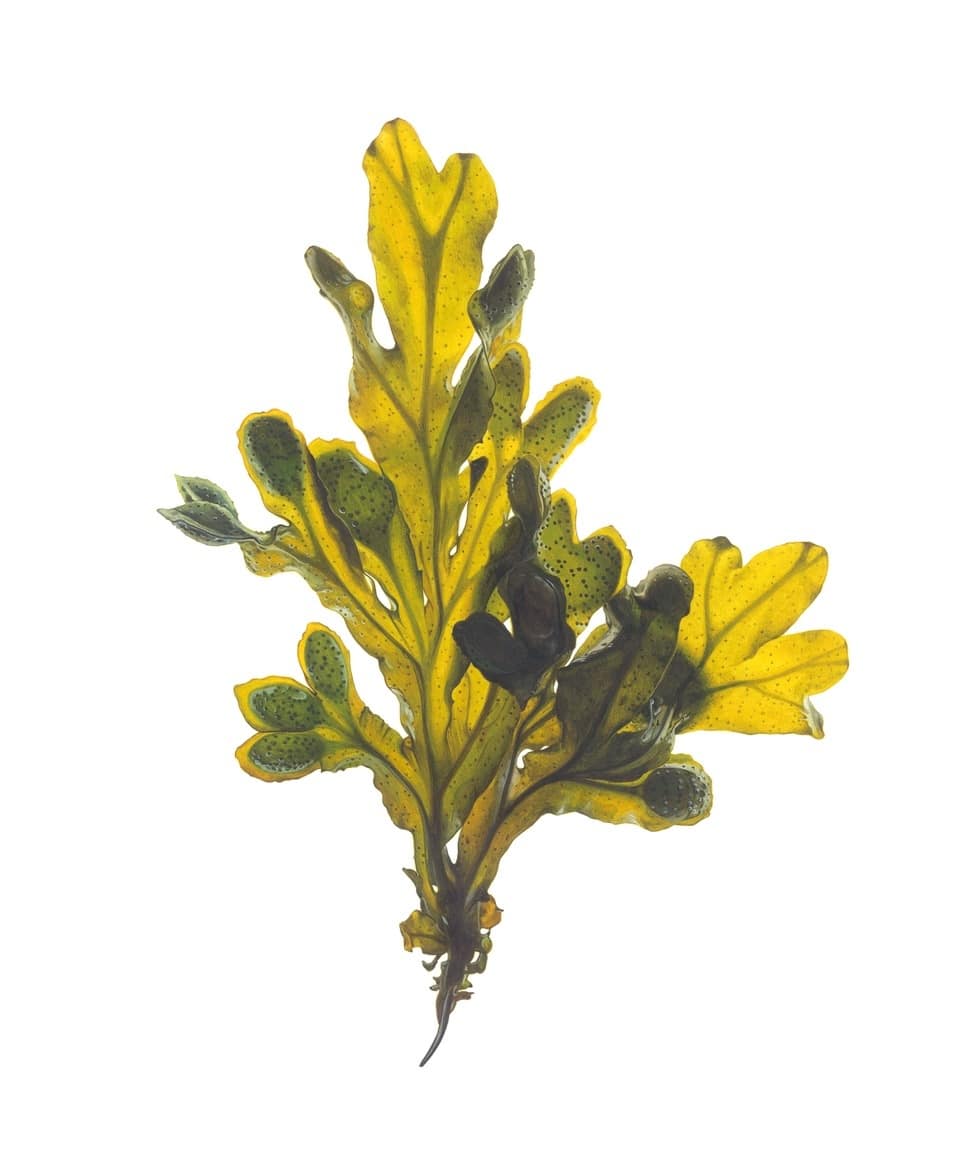
Seaweed PaintingImage credit: Sarah Jane Humphreys (seaweed painting)
HIGHLY PRIZED

Washed up on the beach, or carefully foraged, kelp is a prized find for many, to be processed into health supplements, beauty products, fertilisers, plastic alternatives, art or food. This versatility is thanks to the mineral rich sea environment they are grown in, which gives them a higher nutrient mix than land plants.

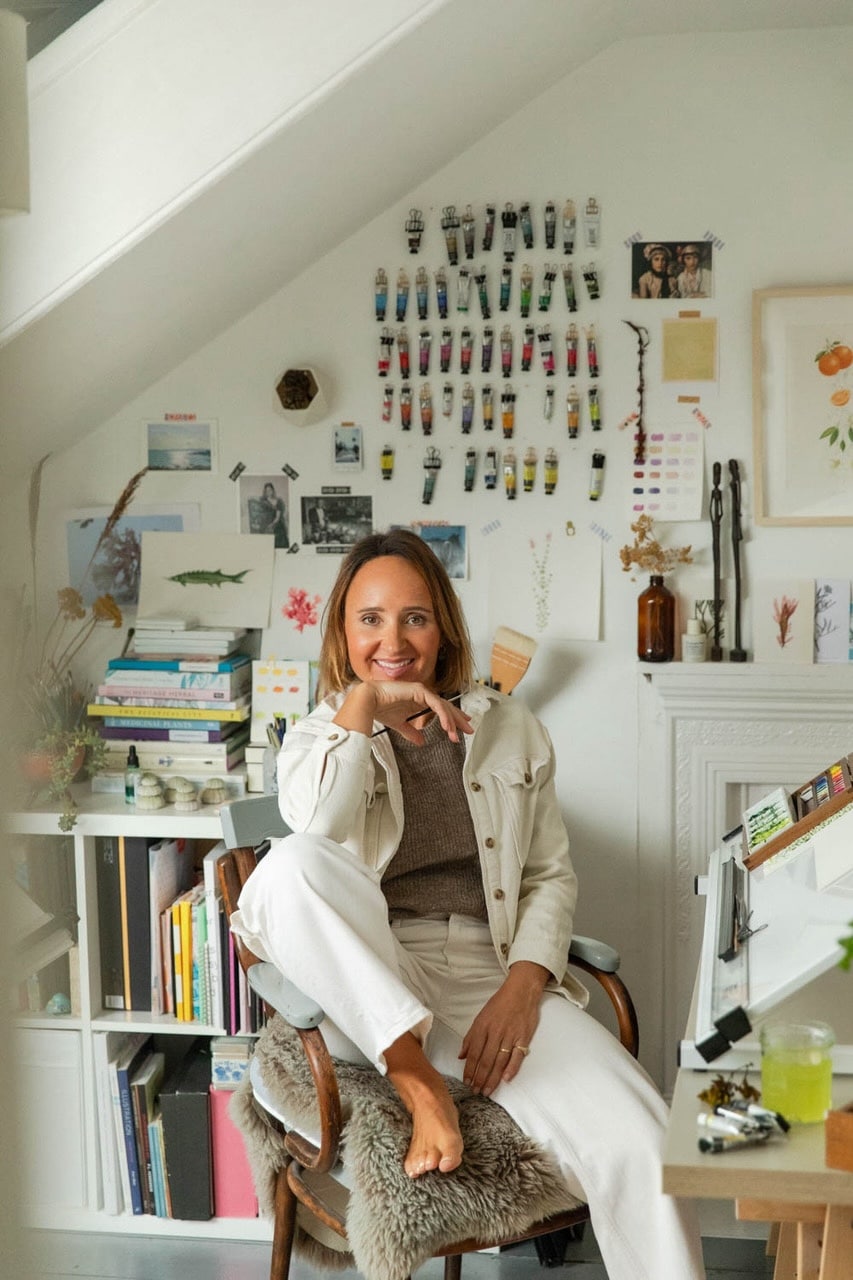
Sarah Jane Humphrey – a Falmouth-based artist @sarahgalerie – enjoys using kelp in her cooking at home as it “brings food to life and has so many health properties”. When she can’t forage for it, she uses a dried version from The Cornish Seaweed Company. Having realised the broad benefits of sea plants, the company has been a pioneer in the UK seaweed industry. They have developed a range of products, all sustainably foraged and handled to preserve their nutrients and help people to use this in their everyday cooking. The complex flavour these plants bring to food is also being realised by a growing number of chefs too, like Jude Kereama at Kota who uses seaweed in his mussel fritters with seaweed tartar dish.

sarah in studio

Image credit: Sarah Jane Humphreys

GOLDEN TONES

Sarah’s work as a botanical artist closely draws on her love for the sea. She creates intricate depictions of seaweed found in intertidal zones along the coast. Recently she has also begun a project “using [her] own handmade seaweed ink to create drawings that reflect the narrative of research on kelp’s abilities as a carbon sink” by creating a tangible connection to the sea.

When working with seaweeds in the studio, Sarah’s days spent freediving and photographing rock pools are a continual source of inspiration. It is in these moments, as the quiet hush of the sea fills her ears, that the sea and kelp forests come together, and the kelp begins to move like flames as they slip through pools of brightness, to highlight their “golden tones and flowing forms”.

If you find yourself surrounded by seaweed storm trails this Secret Season, and you stumble across the telltale ribbons and holdfast of kelp, look upon it with a new appreciation.

Eager to explore more? Watch Seaweed Foraging on Film to learn about finding and cooking seaweed or get rock-pool ready with Dr Ben Holt at The Rock Pool Project.

Stay by the sea this Secret Season…

Fishing for history

Port Quin Walk 3 Resized Rotated

West of Port Isaac, the cliffs and coves reveal echoes of the vanished people who once called this stretch of the Cornish coast home

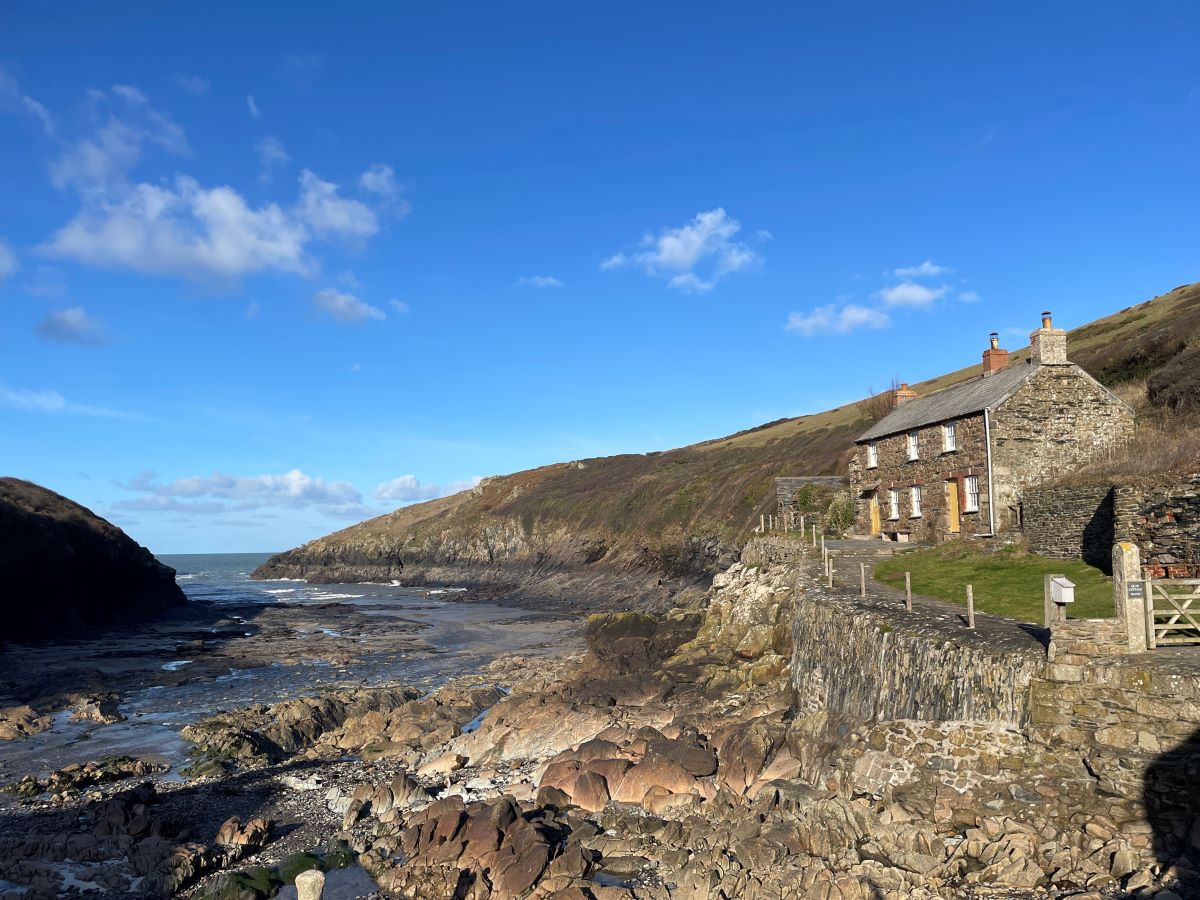
Framed by the twin headlands of Doyden Point and Kellan Head, the narrow channel of Port Quin is a quiet place these days: a cluster of National Trust cottages, a stout harbour wall, a stone slipway. But two centuries ago, it would have been a hive of activity.

Port Quin 1 Resized

“On the cliff, a huer, or watchman, scans the horizon, looking for the shadow of the next shoal”

Imagine, the smell of fish and tobacco smoke, a boat hauled up on the slip. Up the lane, men are scooping salt into cellars to preserve the morning catch. Others work on seine nets, patching the mesh in the sun. There’s banter, laughter, salty cursing. On the cliff, a huer, or watchman, scans the horizon, looking for the shadow of the next shoal. When he sees it, he shouts ‘Hevva!’ and the men drop their tasks, clamber into boats and head out to sea. They’ll stay out as long as their nets can hold fish.

Palaces 2 Resized

Beyond the postcards

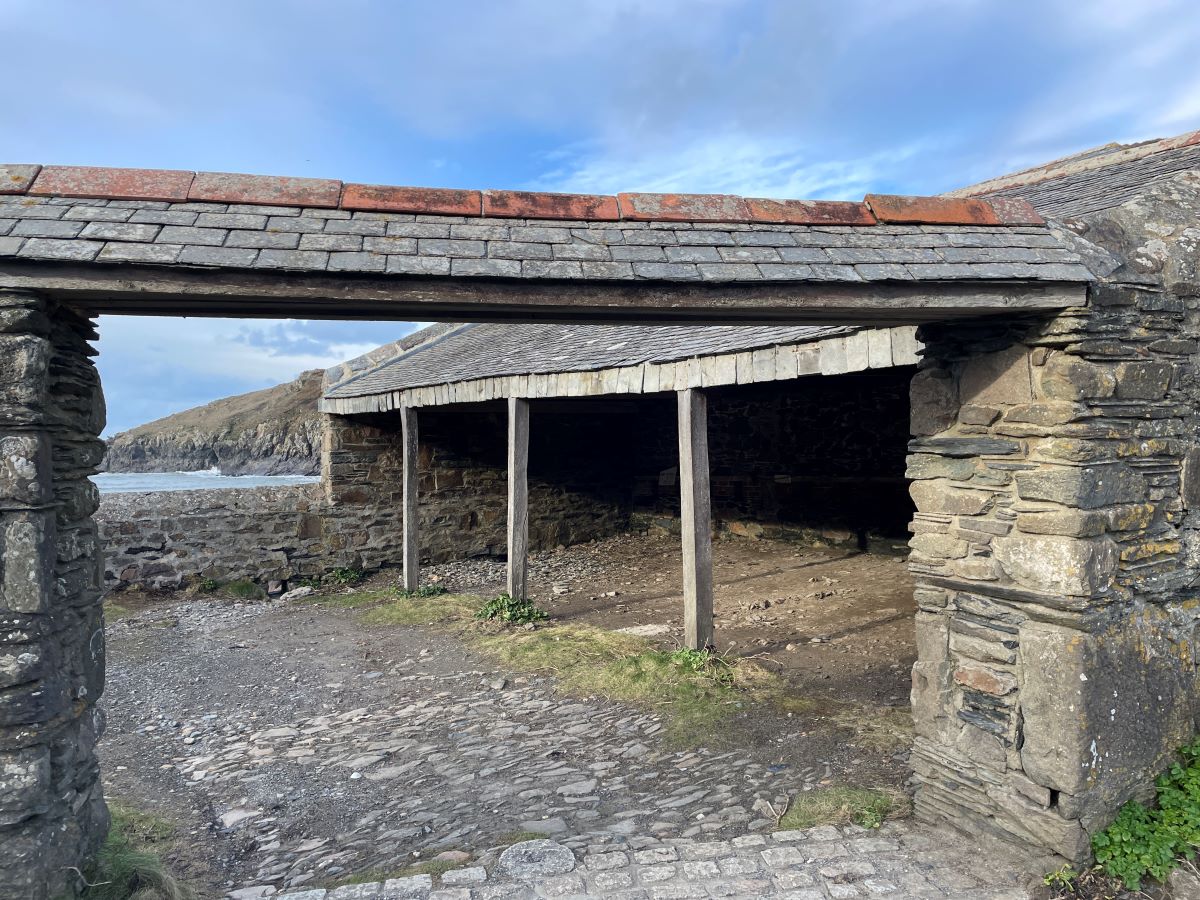
Sometimes it’s easy to forget places like Port Quin had a past beyond the postcards. Port Isaac local John Watts Trevan makes some fascinating fishing observation in his 1834 memoir. But apart from the old cottages and pilchard drying sheds (colloquially known as ‘palaces’), little remains of the industry now. What happened?

“In the cliffs around Port Quin, mineral streaks the rock like veins.”

According to legend, Port Quin’s fishermen were all drowned by a terrible storm – perhaps as punishment for fishing on the Sabbath – and the village was abandoned. In fact, Port Quin was a casualty of economic decline. In the mid 19th century, dwindling fish stocks – particularly in the key species of pilchard and herring – and the slow collapse of Cornish mining forced thousands of families to emigrate – mostly to South America, Australia and Canada. The people of Port Quin were probably among them.

Port Quin Walk 3 Resized Rotated

Signs of times past

While the industry is gone, the coast path from Port Quin looks much the same as when the pilchard fishermen and the miners still worked here. Two shafts at Gilson’s Cove Mine, on the coast path from Doyden Point, can still be seen, marked by rings of slate stones. Lead, tin, silver, zinc and antimony – a whitish metal used to make pewter, paint and make-up – were the principal ores mined here. In the cliffs around Port Quin, mineral streaks the rock like veins.

“From Trevan Point, the path descends to Epphaven Cove, a rugged little inlet that’s good for rock-pooling, which also has a small waterfall and natural plunge pool for cooling off on a hot day.”

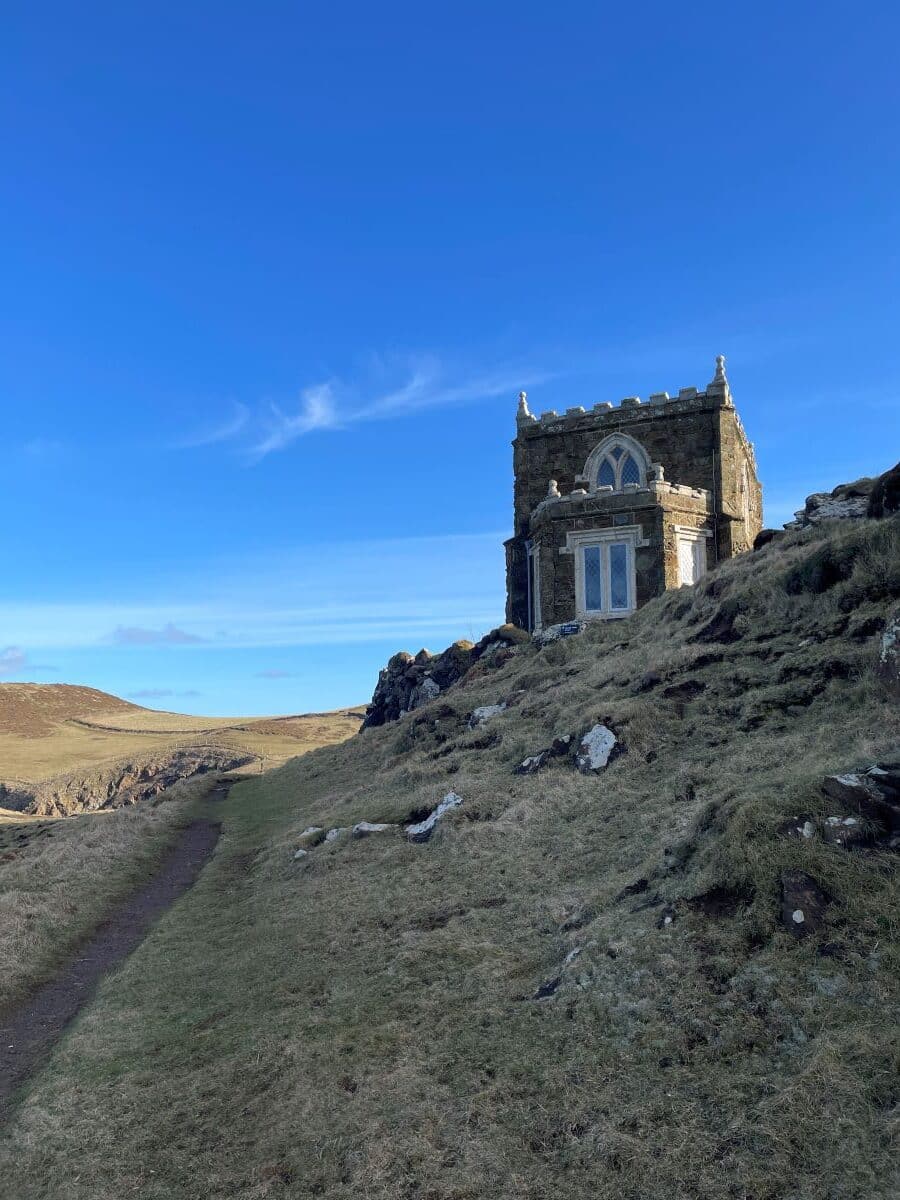
Near Gilson’s Cove Mine stands another oddity: Doyden Castle, a mock-Gothic folly, built around 1830 by a Wadebridge merchant called Samuel Simmons, who’s said to have used it as a private pleasure den for partying, drinking and gambling.

Doyden Castle 1 Resized Rotated

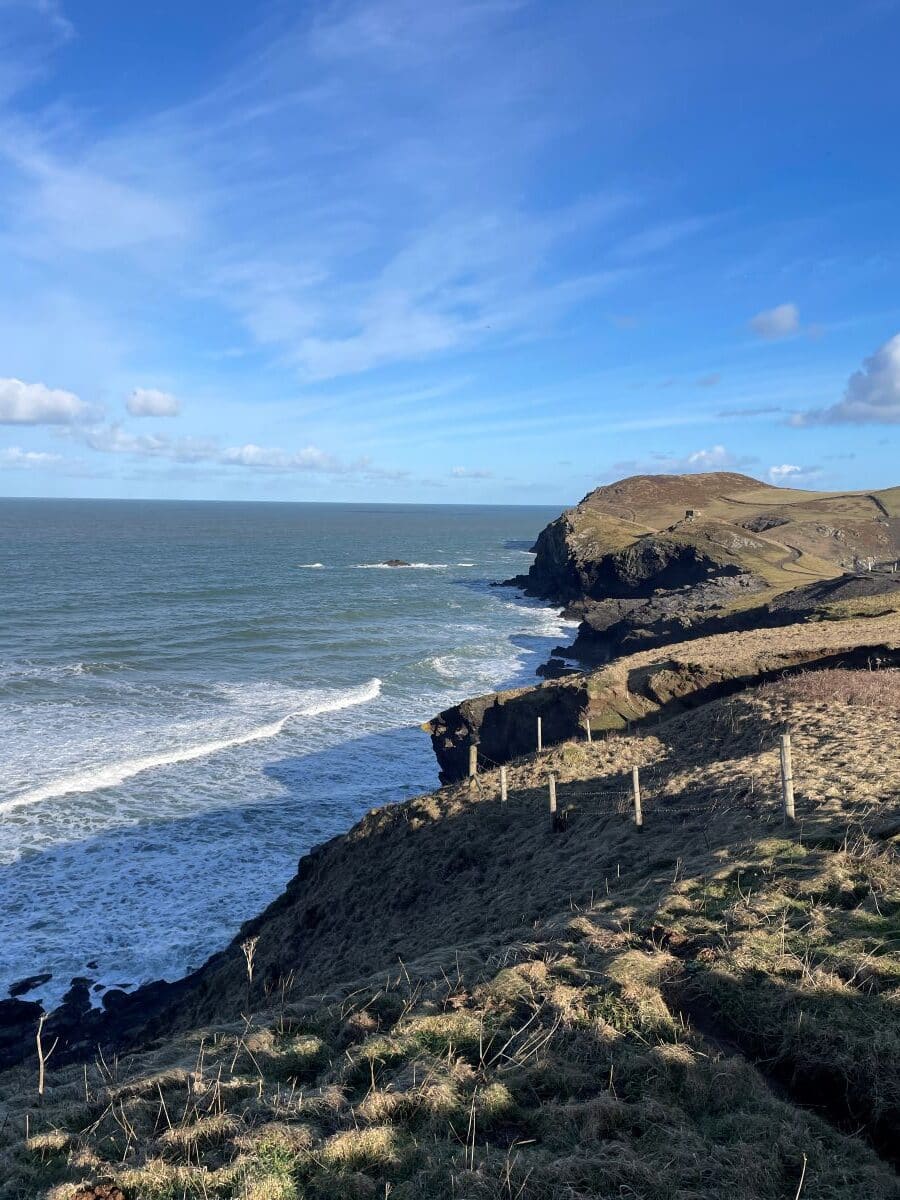
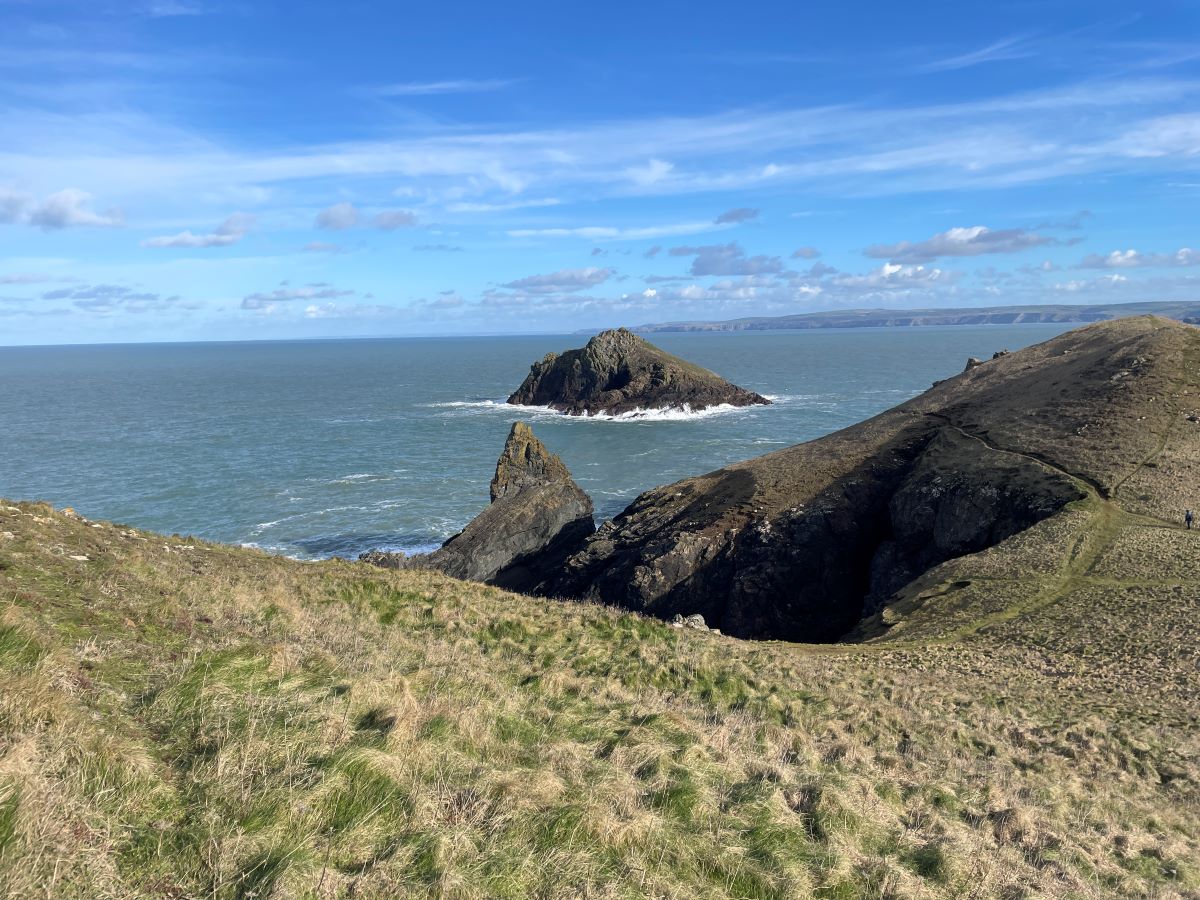
From Doyden, the coast path climbs up and over Trevan Point – a natural watchtower at 213ft above sea-level, serving-up a fine panorama stretching west to the craggy headland of The Rumps and the offshore island of The Mouls.

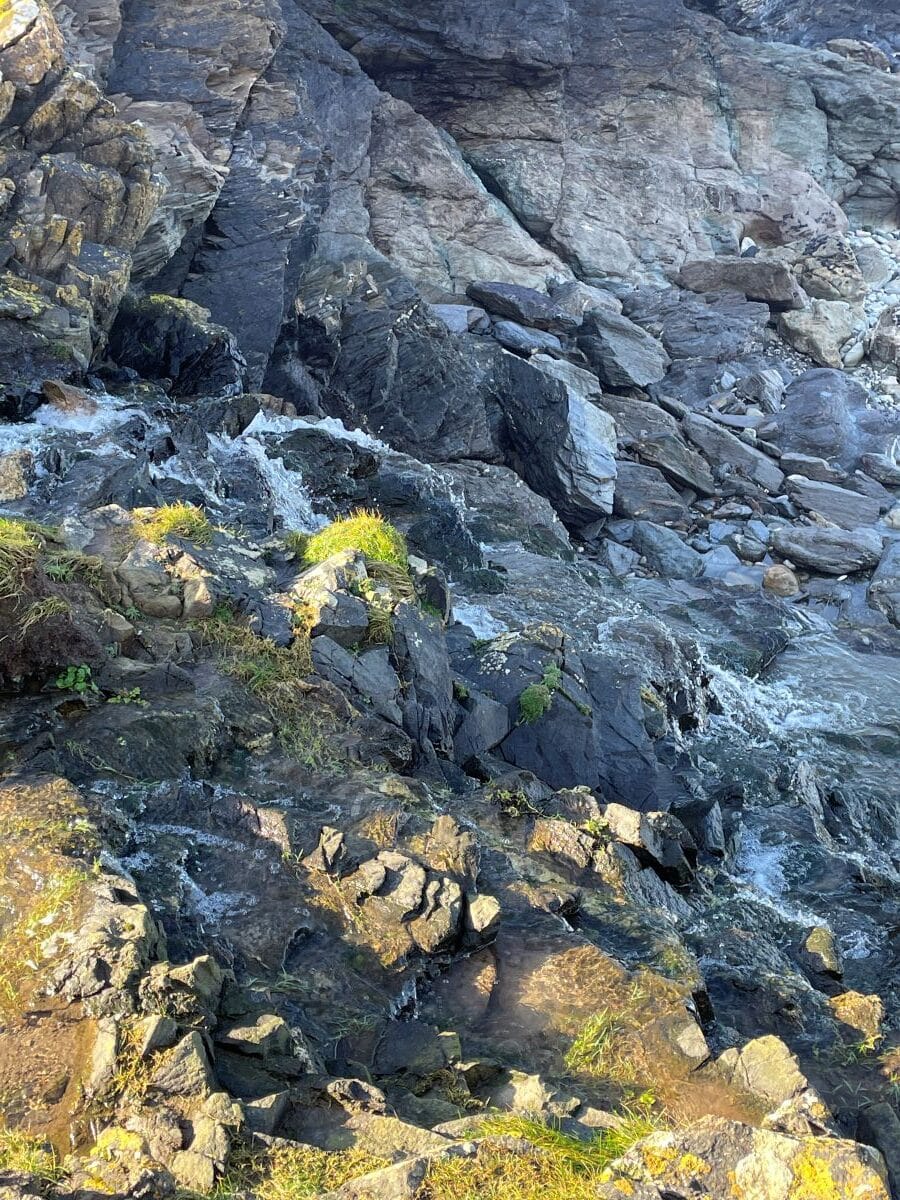
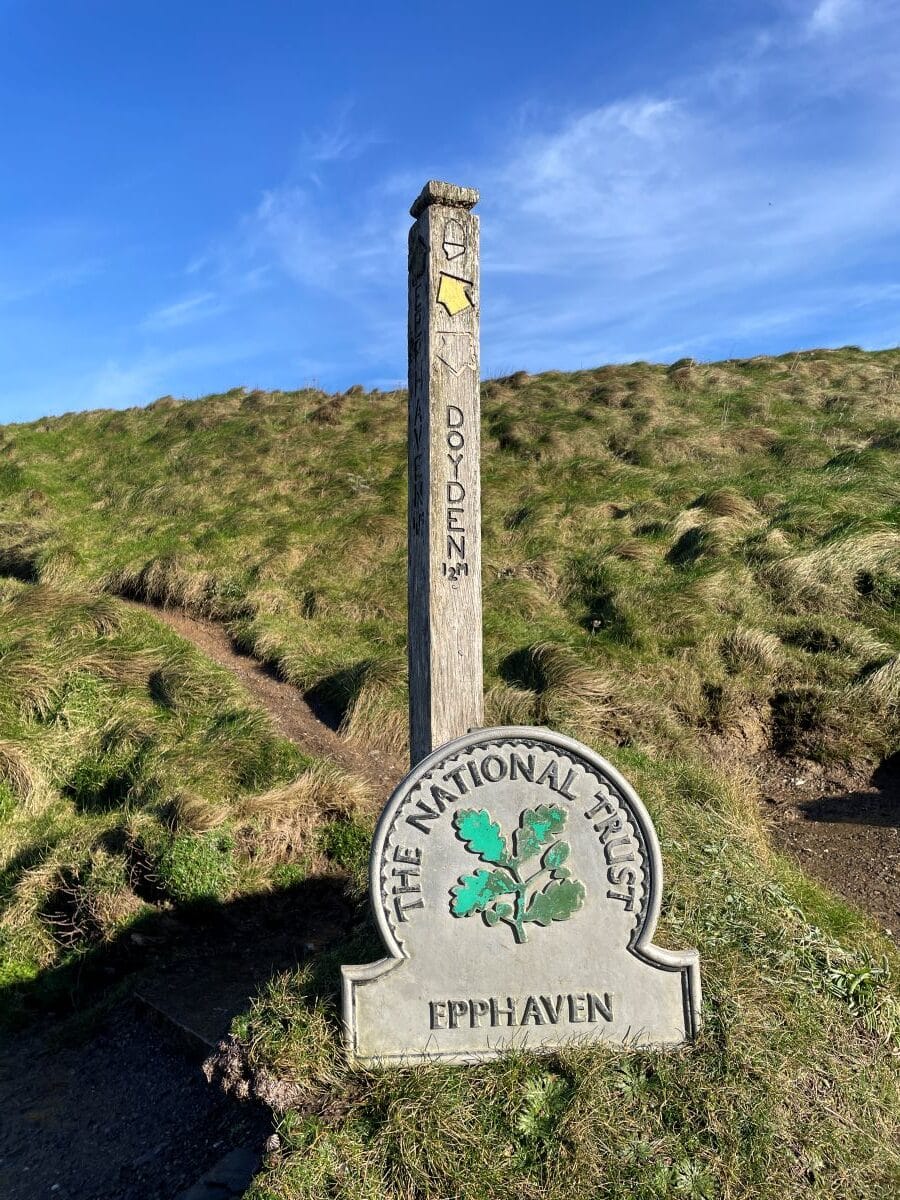
From Trevan Point, the path descends to Epphaven Cove, a rugged little inlet that’s good for rock-pooling, which also has a small waterfall and natural plunge pool for cooling off on a hot day. The slate here has sometimes yielded fossils, too, so keep your eyes peeled.

Port Quin Walk 4 Resized Rotated

Hidden hideaways

Around the headland to the west lies Lundy Bay, another rocky beach where you can climb down via wooden steps. The cliffs and fields around here are managed by the National Trust for wildlife, cutting back the hawthorn hedges and preserving grassland habitat; it’s a good place for spotting wildflowers, butterflies and birds of prey.

Just above the western edge of the beach is Lundy Hole, where you can peer down and watch the breakers booming under the rock arch: this sea cave is said to have been the hiding place for St Minver fleeing the devil.

A little further west is a cleft in the cliff known as Markham’s Quay. Here, sand and gravel were hauled up from the beach by horse-drawn carts. It’s also a fabled smugglers’ haunt, where contraband was landed under cover of darkness. Was Markham a smuggler, or one of the Preventive men who patrolled the coast and tried to catch them? No one remembers now.

“Nowadays, the headland is a cracking spot for a picnic. In summer, the rocky island off the point, The Mouls, hosts squawking colonies of gannets, kittiwakes, fulmars and sometimes puffins (lundy derives from the old Norse word for puffin).”

Port Quin Walk 5 Resized Rotated

Pathways to the past

From here, you can choose either to turn back to Port Quin or hike out another couple of miles past Carnwether Point to The Rumps, which snakes seawards like a sleeping dragon. During the Iron Age, one of north Cornwall’s most important promontory forts stood here. You can make out the outline of the ditches and embankments that protected the fort from assault. Archaeological excavations have turned up artefacts suggesting the people here traded with the Mediterranean.

Nowadays, the headland is a cracking spot for a picnic. In summer, the rocky island off the point, The Mouls, hosts squawking colonies of gannets, kittiwakes, fulmars and sometimes puffins (lundy derives from the old Norse word for puffin). It’s also an infamous shipwreck spot: in 1995, when the Maria Assumpta, the world’s largest square-rigged sailing ship, went down while trying to make Padstow harbour, with the loss of three crew.

Port Quin Walk 8 Resized

All told, the walk from Port Quin to the Rumps is a 6.5 mile return journey – a three-hour hike, there and back. To ease tired limbs, you can book a shipping container sauna courtesy of Cornish Coast Adventures, overlooking the beach where the fishermen once worked. Times have certainly changed at Port Quin.

Discover stays along Cornwall’s storied north coast this Secret Season.

Penwith’s coastal artworld

Credit Jackson Foundation Gallery

Hushed beaches, misty cliffs, and the gentle sounds of the tide, this is Cornwall’s #SecretSeason – a moment for reflection, meditation, and creativity – a perfect time to visit Penwith’s artworld.

Penwith – Cornwall’s westernmost tip connected to the wild Atlantic, stretching all the way from Hayle around to St. Michael’s Mount – has long been celebrated for its rich artistic heritage. Its raw and rugged beauty is inspiration for both artists and art lovers. And from Marazion to St Ives, local artists and galleries recreate the winter landscape in softly coloured paintings and ceramics.

Cornwall’s #SecretSeason is a perfect time to discover its thriving art scene, so we visited some of this season’s exhibitions and hear from two local artists, Sarah Woods and Jack Doherty, on how winter shapes their creative processes and deepens their connection to the coastal landscape.

SHIFTING SCENES

Begin your journey at Penzance, Cornwall’s major port town. In its quiet historic streets, you’ll find Penlee House Gallery & Museum home to an impressive collection of Newlyn School paintings. Upcoming in February 2025, The Shape of Things: Our place in a changing climate, will feature works of local artists who explore how Cornwall’s shifting land- and seascapes respond to environmental changes, inspiring hope and action for the future.

Abstract coastal painting

Image credit: Sarah Woods

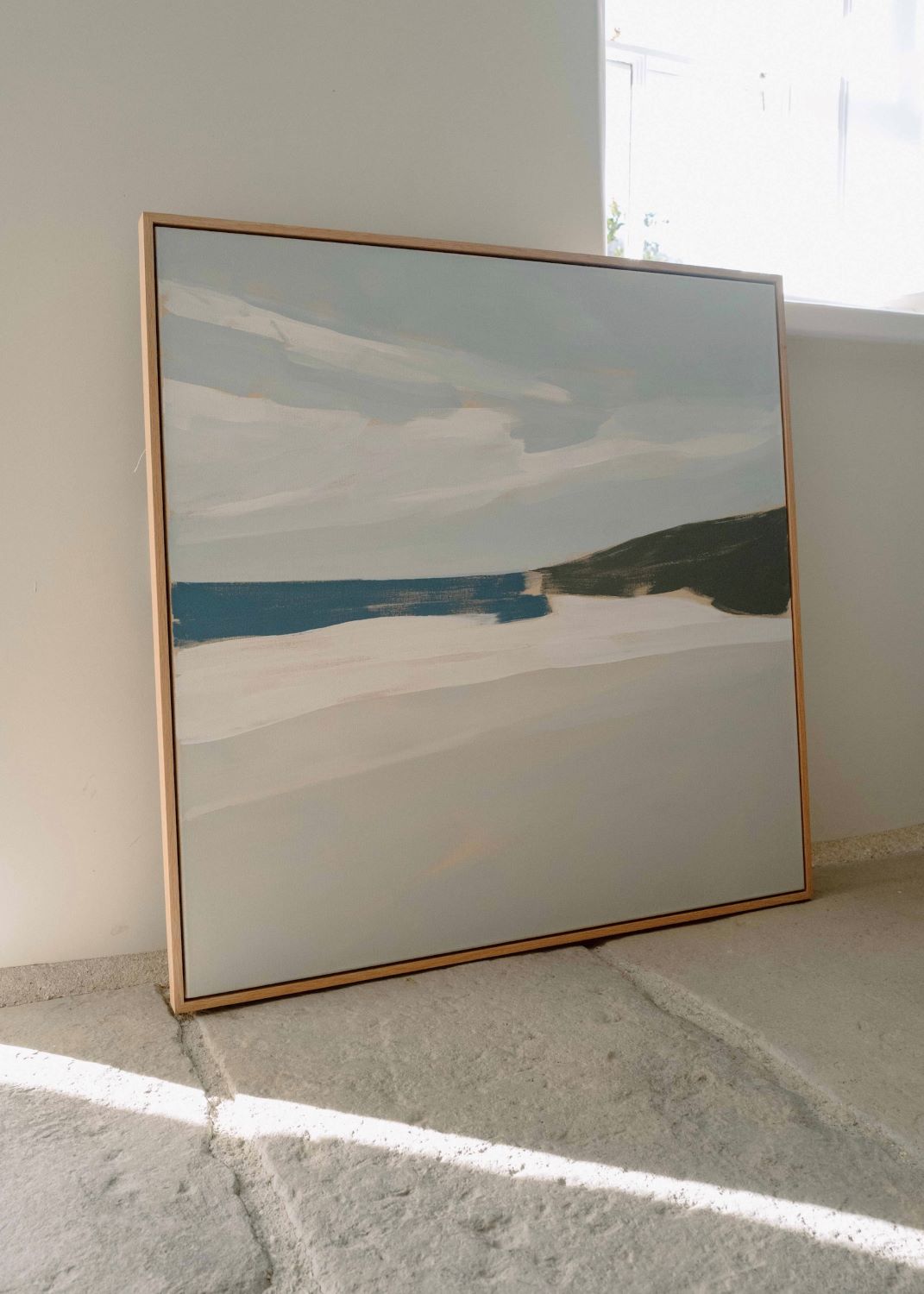
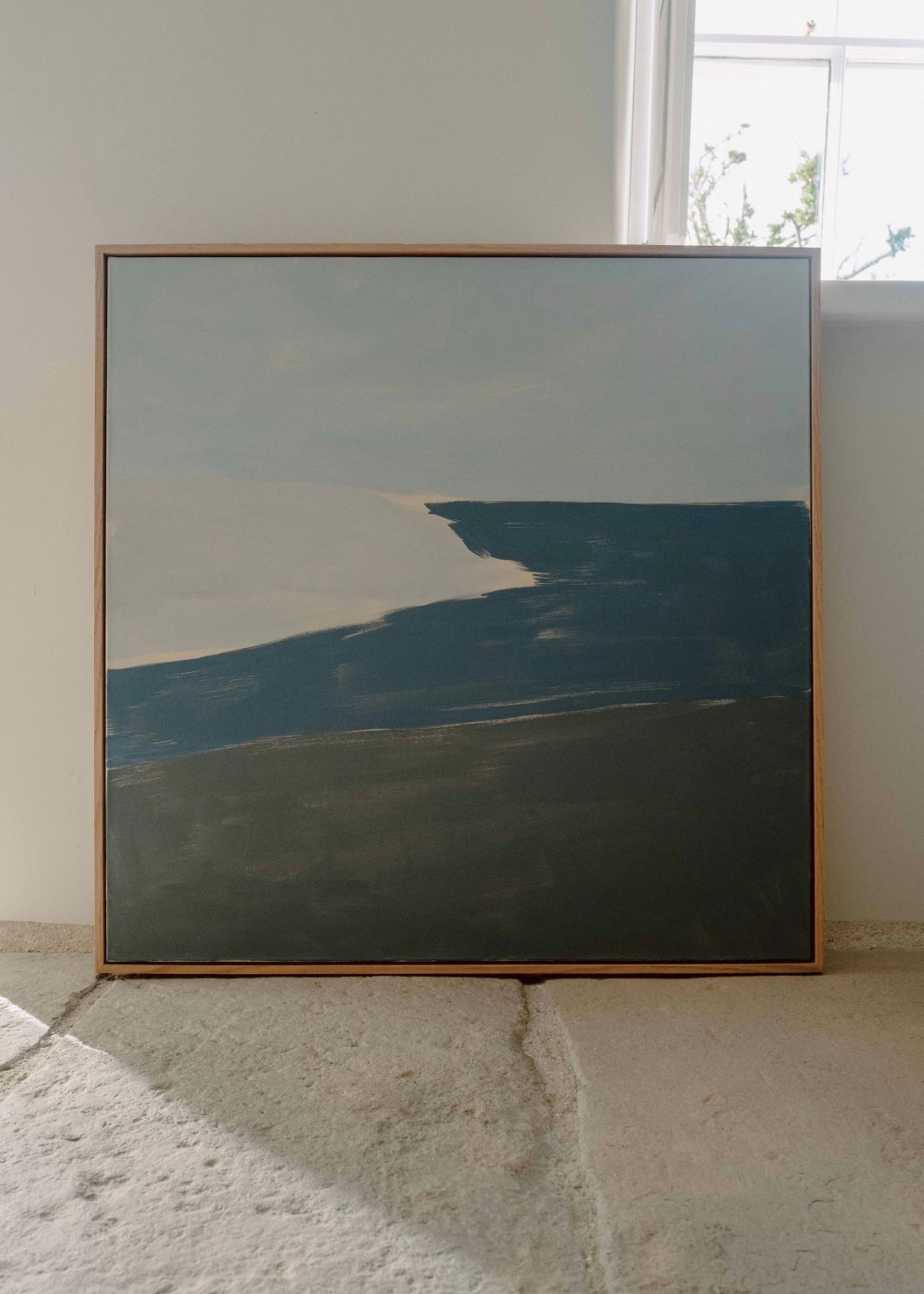
Newlyn-based painter, Sarah Woods, paints her personal interpretation of the shifting atmosphere from her cozy studio. “Winter along the west coast has a timelessness – a feeling of the land and sea in harmony.”

“The light “has a clarity that comes with the cold,” she says, slowing down the pace of things while the “landscape breathes.”

With changing seasons, she witnesses the landscape quietly breathing and shifting as well. This way, her collections are unique to each season – her newest series captures this shifting landscape in autumn, drawing inspiration from “a palette rich in deep earthy tones, gathered from elemental movement of the ocean and a coastline warmed with autumnal light.”

As winter takes hold, the colours she mixes evolve again inspired by low-traveling light and dark ocean hues. The light “has a clarity that comes with the cold,” she says, slowing down the pace of things while the “landscape breathes.”

Abstract coastal painting

Image credit: Sarah Woods

In her studio, Sarah focuses on the process of painting rather than the outcome, describing it as “a continuous flow of time balanced between the coast at the studio.” Her practice is intuitive and tactile, shaped by an immediate response to the forms and colours she observes in the landscape. Whether focusing on large-scale canvases or intimate studies, she creates pieces that reflect nature’s rhythm, translating Cornwall’s wintery calmness into meditative works of art.

“The powerful combinations of colour in the grey, wet wind-blasted stones and moorland of West Penwith” inspire Jack’s minimalist approach.”

Place and perspective

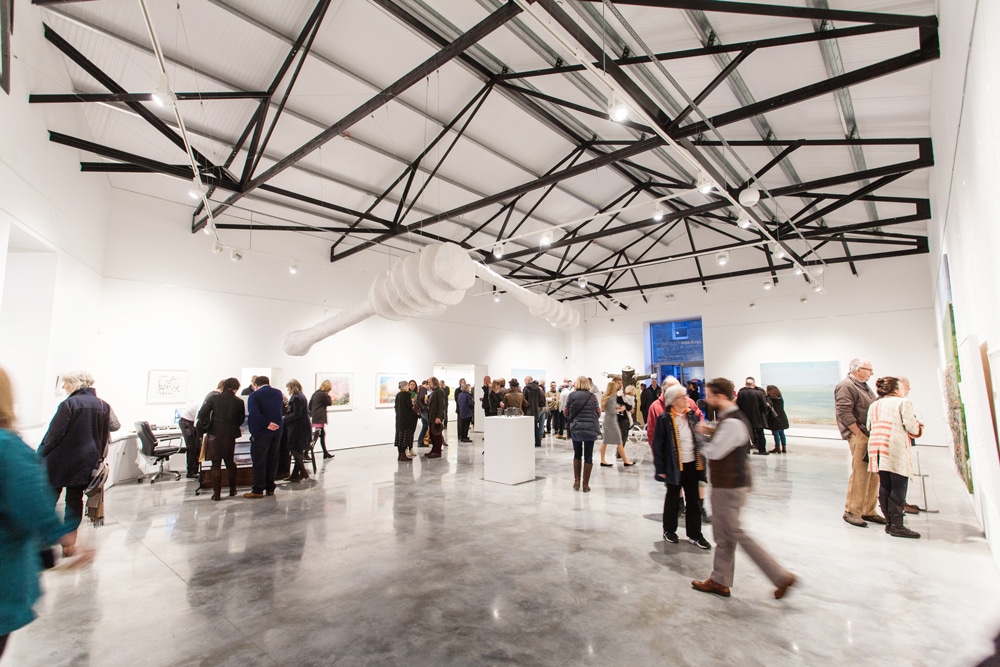
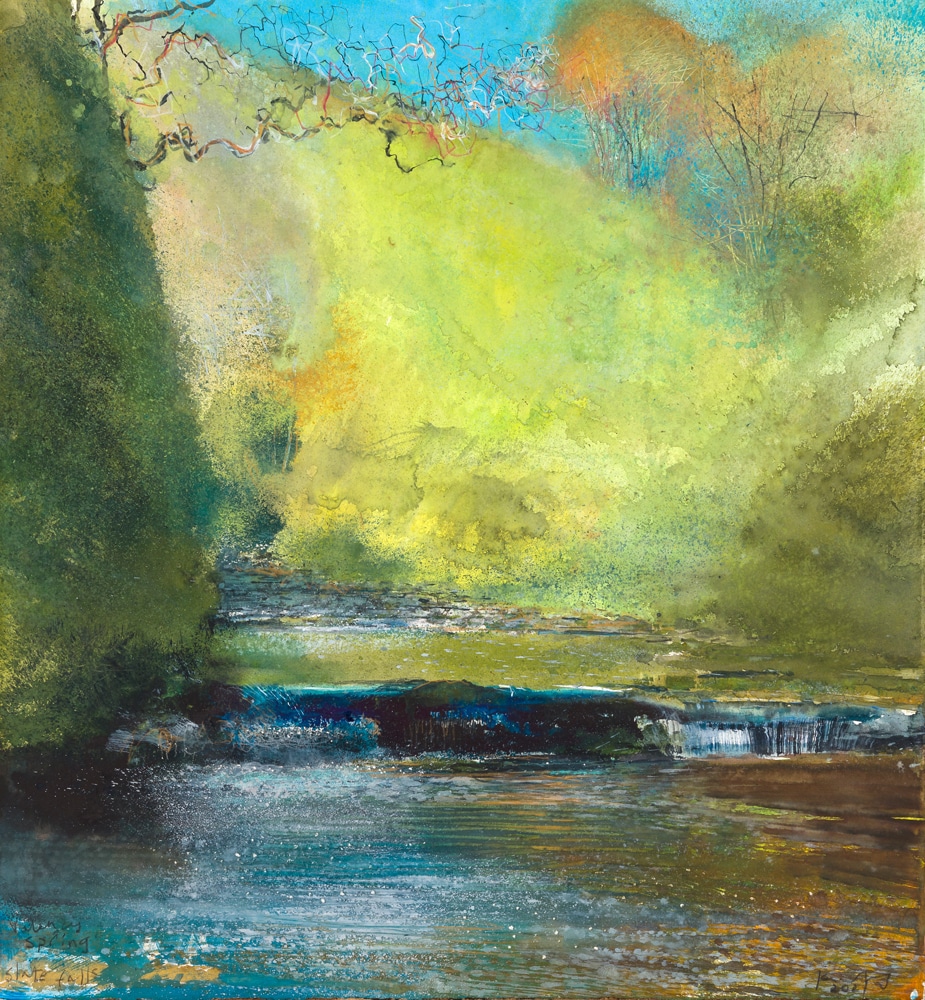
Building on Sarah’s introspective approach, the next stop on this artistic journey takes you to the small town of St Just. Here, The Jackson Foundation invites you into its industrial space where art and nature become one. The current exhibition showcases Kurt Jackson’s paintings, taking inspiration from Valency Valley in north Cornwall.

Art gallery in Cornwall

Image credit: Jackson Foundation Gallery

It features large-scale works capturing the valley’s wooded banks, flowing waters, and the Boscastle Harbour. The collection reflects Jackson’s philosophy that “no man ever steps in the same river twice” – each piece is a silent reflection on both a nostalgic past and a scenic future.

Kurt Jackson painting

Image credit: Kurt Jackson

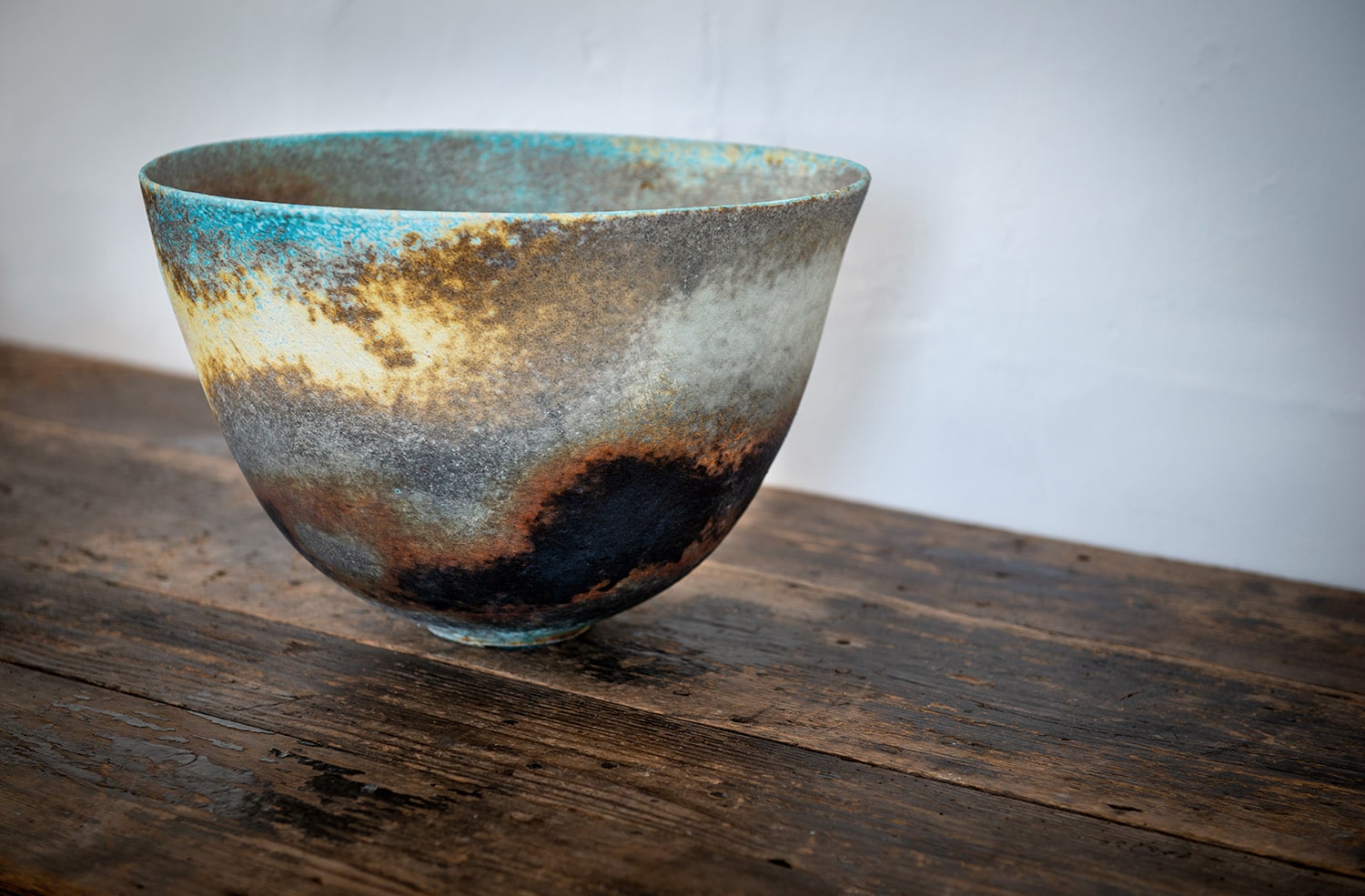
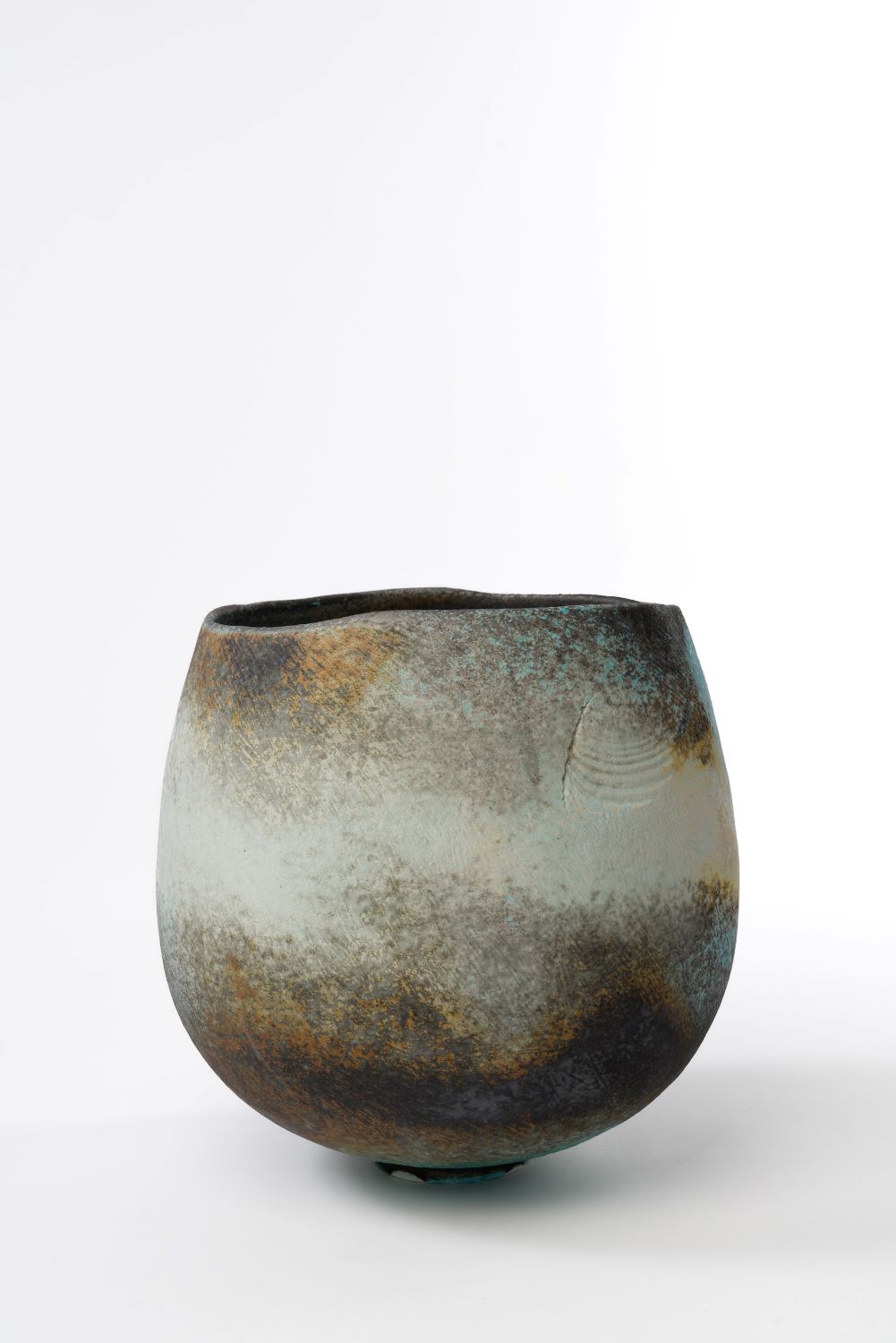
This play between nature’s physical environment and artistic response also unfolds in Jack Doherty’s ceramic work. In 2008, he became the first lead potter at Leach Pottery in St Ives, after it was refurbished, carrying forward its “modernist awareness of material and technique.” Today, Jack’s work is shaped by Cornwall’s jagged environment and changing weather. His recent exhibition, Weathering, reflects Cornwall’s shifting weather patterns and the passage of time that shapes not only the landscapes but also his ceramics.

Ceramic pot

Image credit: Jack Doherty

“The powerful combinations of colour in the grey, wet wind-blasted stones and moorland of West Penwith” inspire Jack’s minimalist approach. Using just one clay, one colouring mineral – copper, sourced from Cornwall’s mining history – Jack’s soda-fired porcelain creates a striking palette of greys, russets, and flashes of cerulean, all without glazes.

“The winter weather is an ever present influence on how we live here,” he says. Even when the dampness and wind challenge Jack’s drying process, they become part of his everyday life as “life goes on.”

Ceramic pot

Image credit: Jack Doherty

Together, these gallery stops offer moments to pause, linger, and connect with the area’s artistic spirit.

From gallery-hopping to discovering the intimate connections artists share with the coast, Cornwall’s #SecretSeason is a great time to explore Penwith’s artworld. Find a coastal retreat and be part of the artistic spirit…