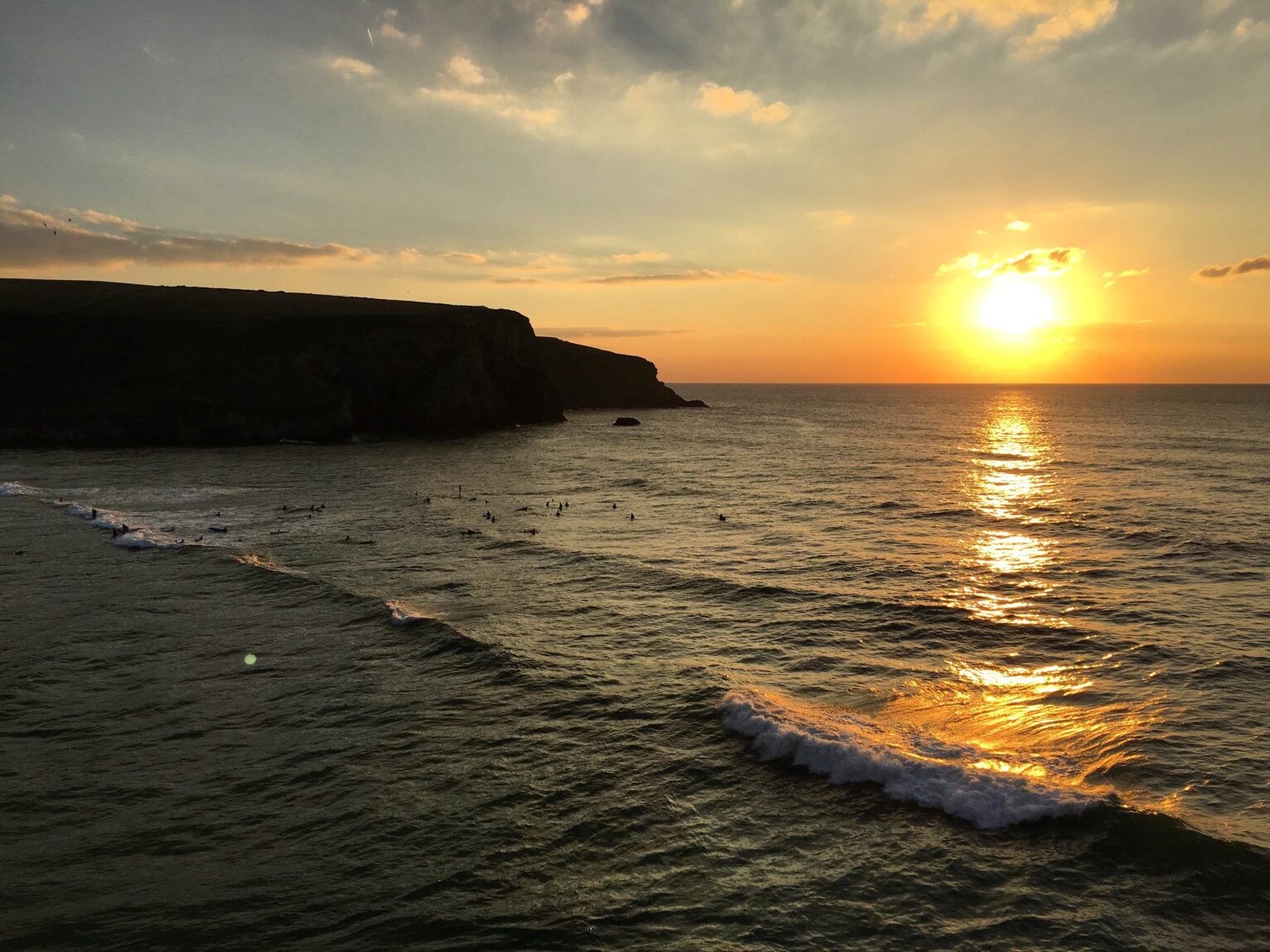


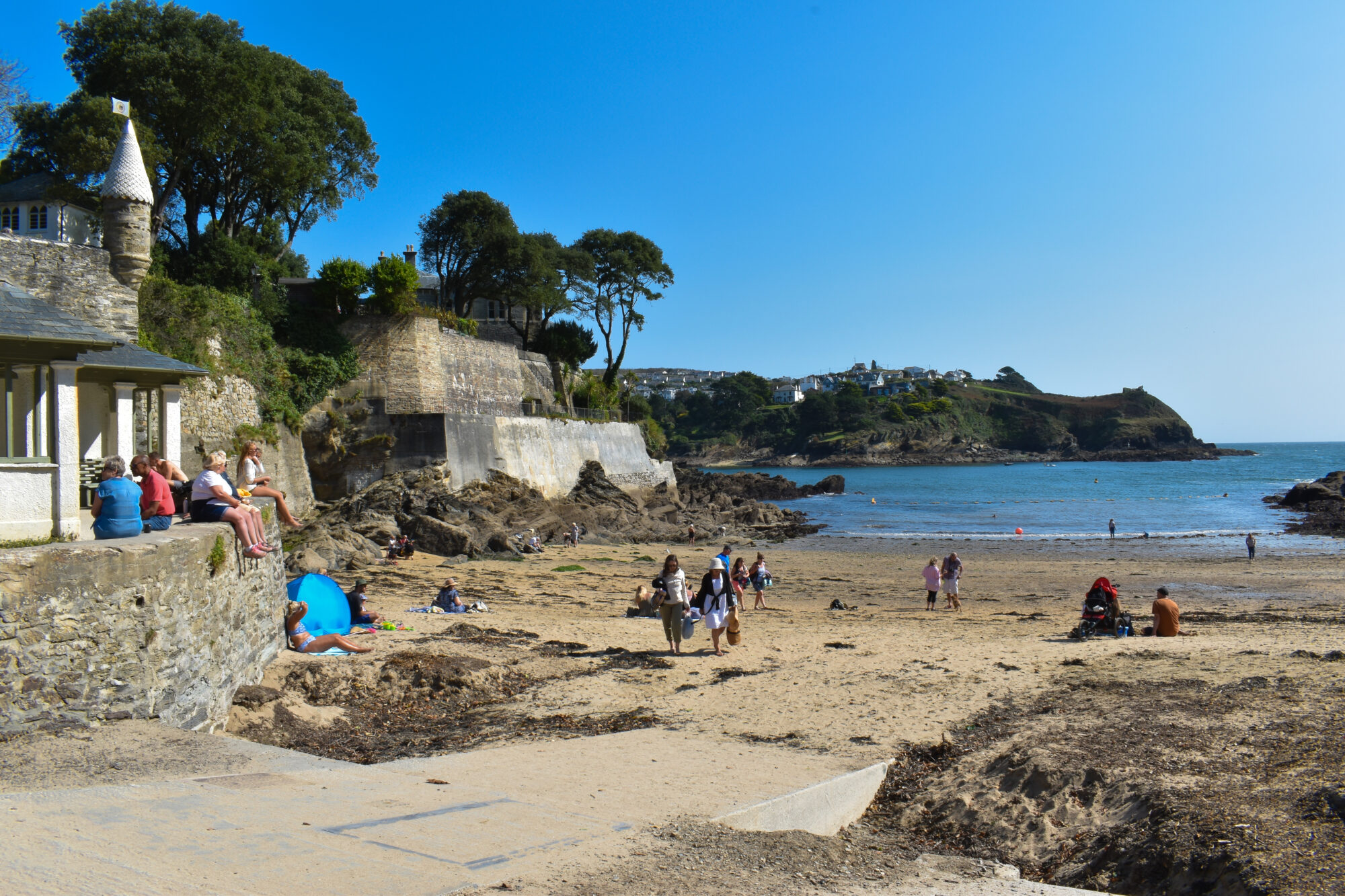
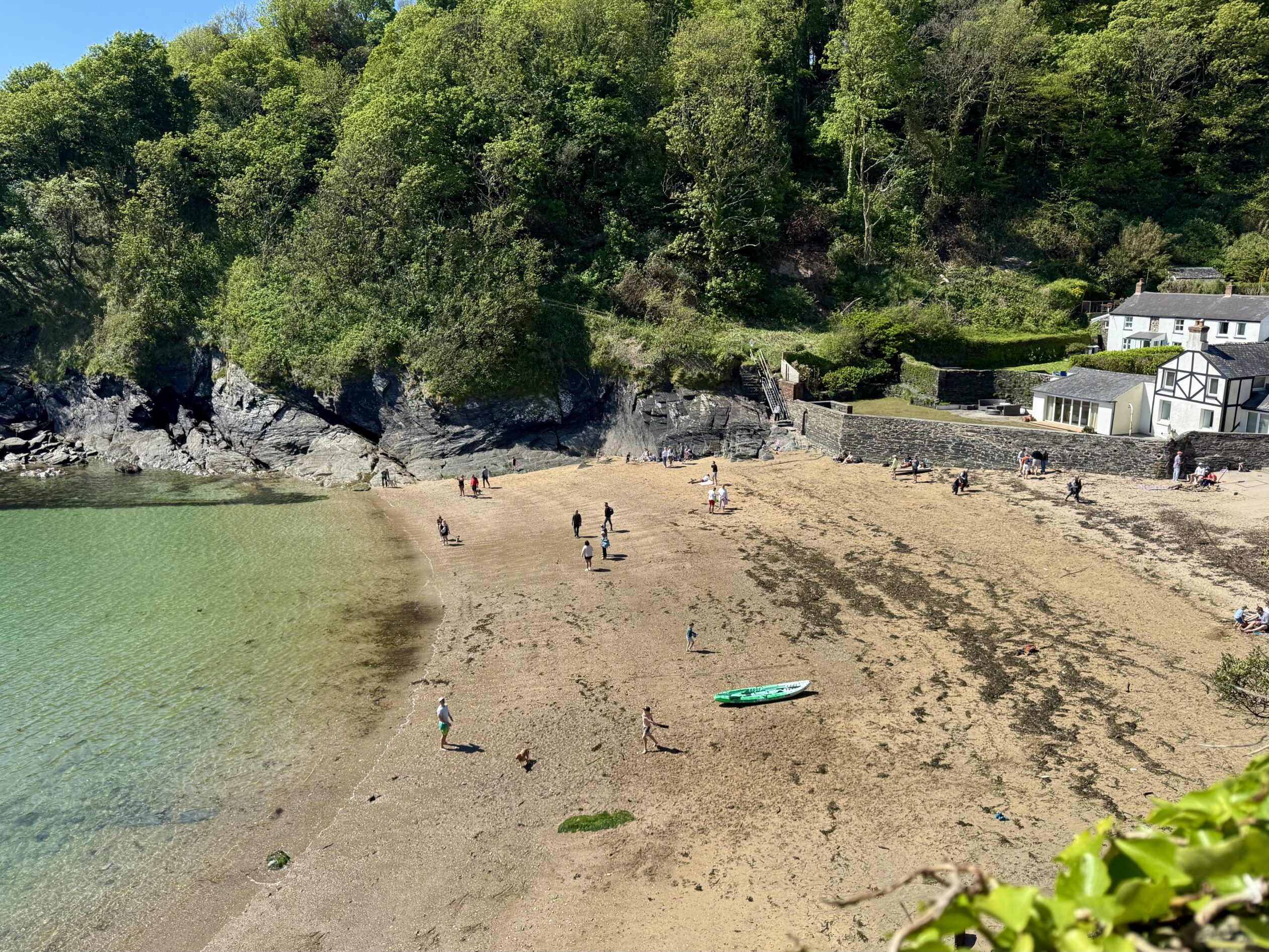
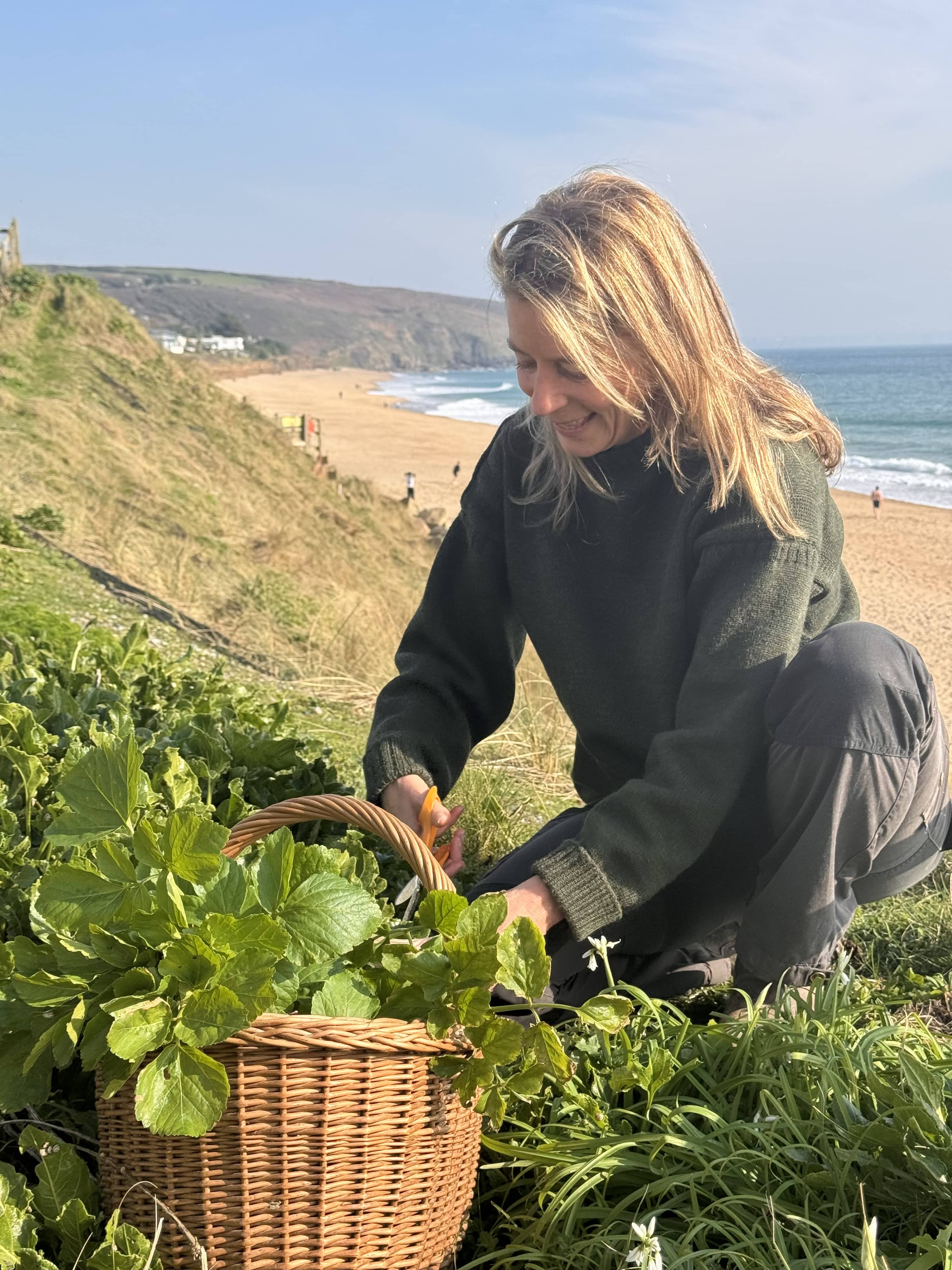
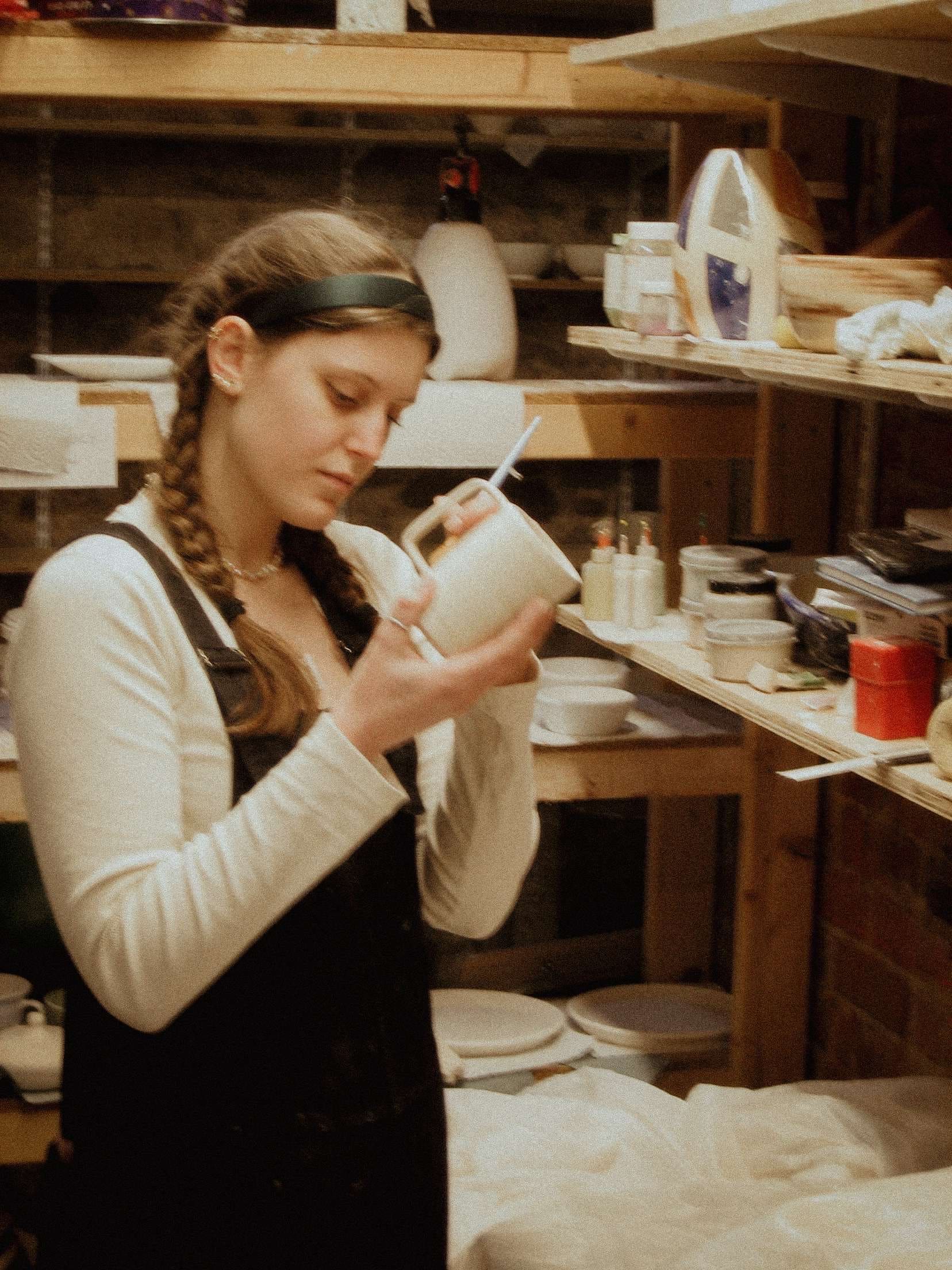
Unpredictable beauty at Widemouth Bay
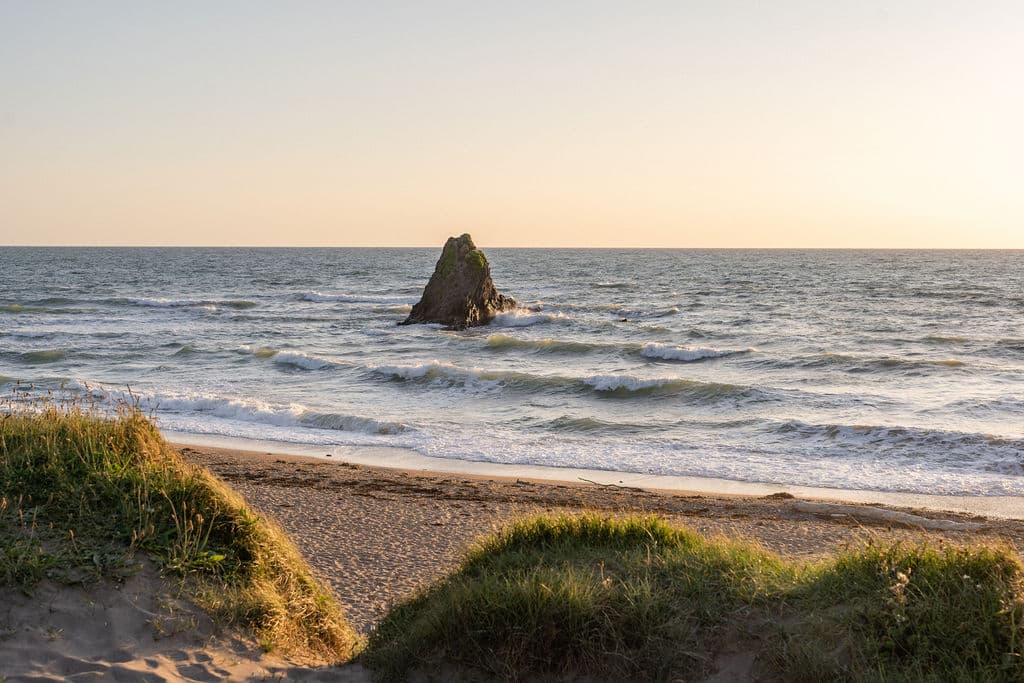
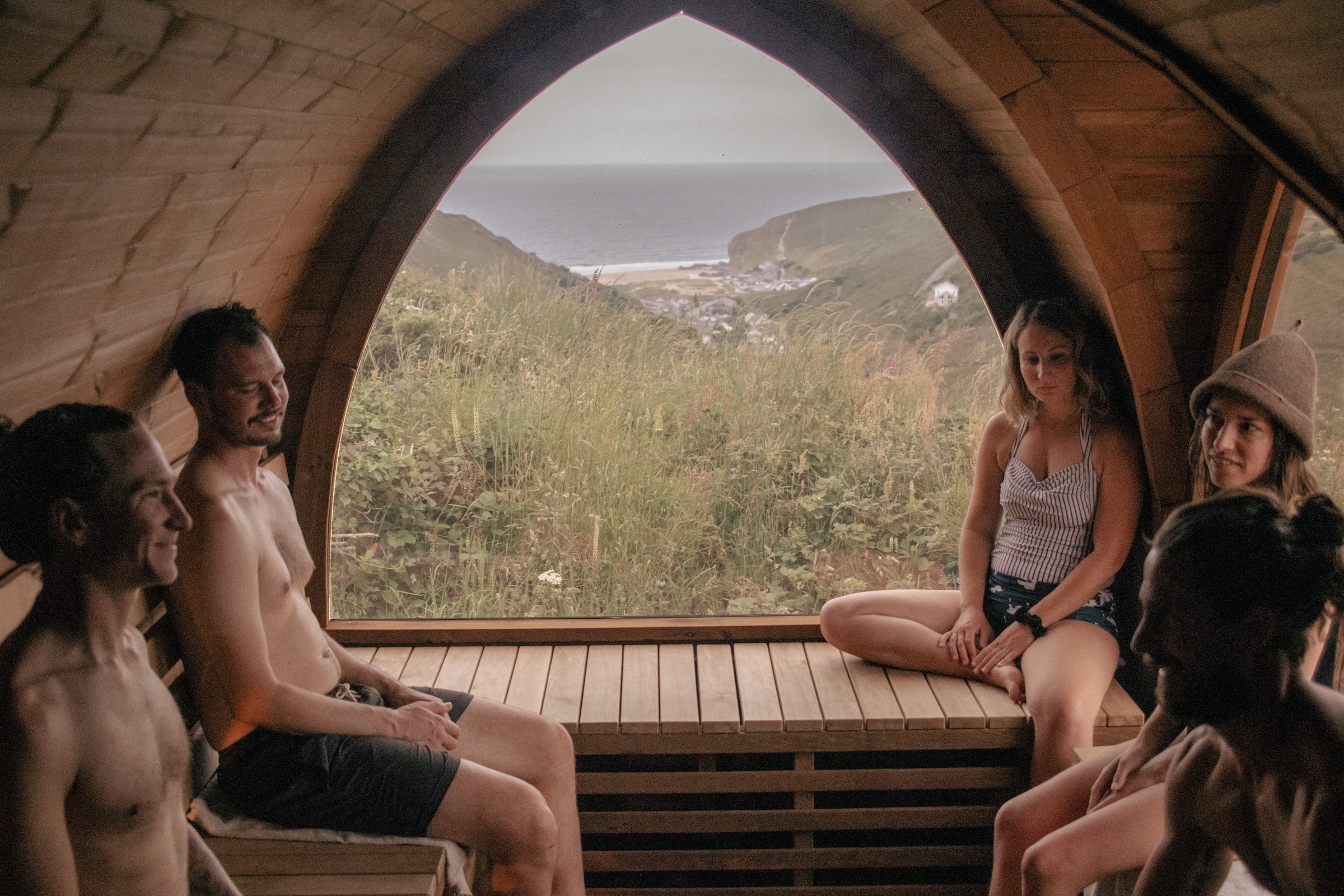
Overlooking the rolling waves of the north Atlantic, the immersive blend of hot and cold therapy at Soul Sweats offers more than wellness…
“I’m German, so I grew up with sauna,” says Soul Sweats co-founder Jana, but there wasn’t a sauna culture by the sea when Jana and her partner Sam used to take their mobile sauna and “park up on beaches all over Cornwall” a decade ago.
Now, the team offer “experiences that blend sauna, cold water immersion, breathwork, yoga, sound healing and community connection” in their clifftop retreat space at the Eco Park and at a beachside sauna in Porthtowan.
“Our work is all about helping people to regulate their nervous systems and connect to themselves, to others and to nature,” says Jana.
The hot and cold contrast of sauna therapy can have an even greater impact during the colder months – sharp relief for tied muscles and minds.
Jana explains, “The sea just feels invigorating. And the contrast between hot sauna and crisp ocean, it’s just even more powerful.
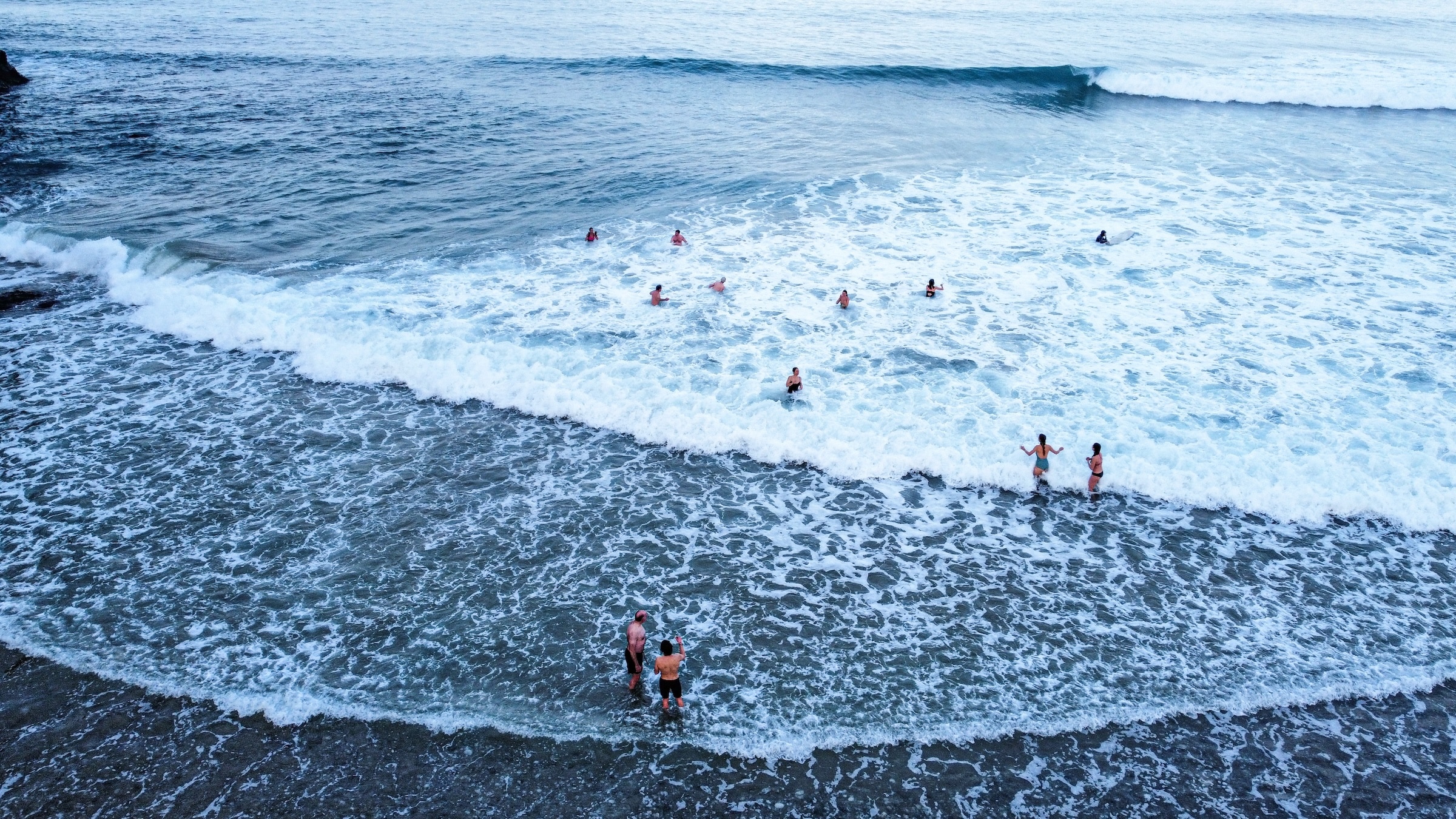
“The beaches are quieter. The air feels a bit clearer. And when the sun does come, the light I think can be incredible.” All together for Jana, Secret Season helps her to feel like “there’s more space mentally and physically.”
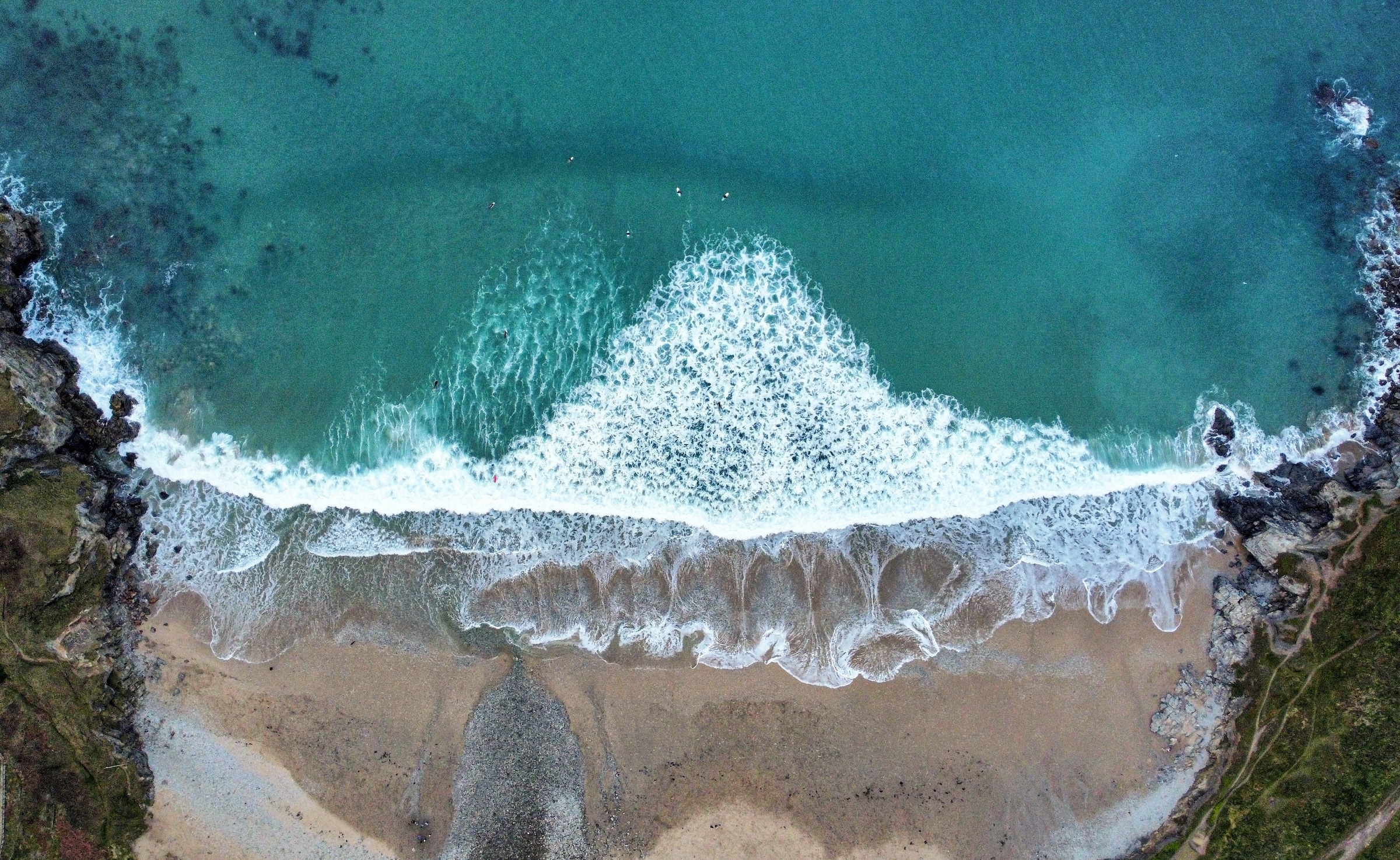
The excellent surfing conditions around Porthtowan are a big part of what inspired Soul Sweats. Jana and Sam’s appreciation for hot and cold contrast therapies was born from their cold water to sauna experiences.
“It stemmed from a passion of loving sauna after surf and all the holistic therapies that my partner and I practice ourselves”, Jana explains.
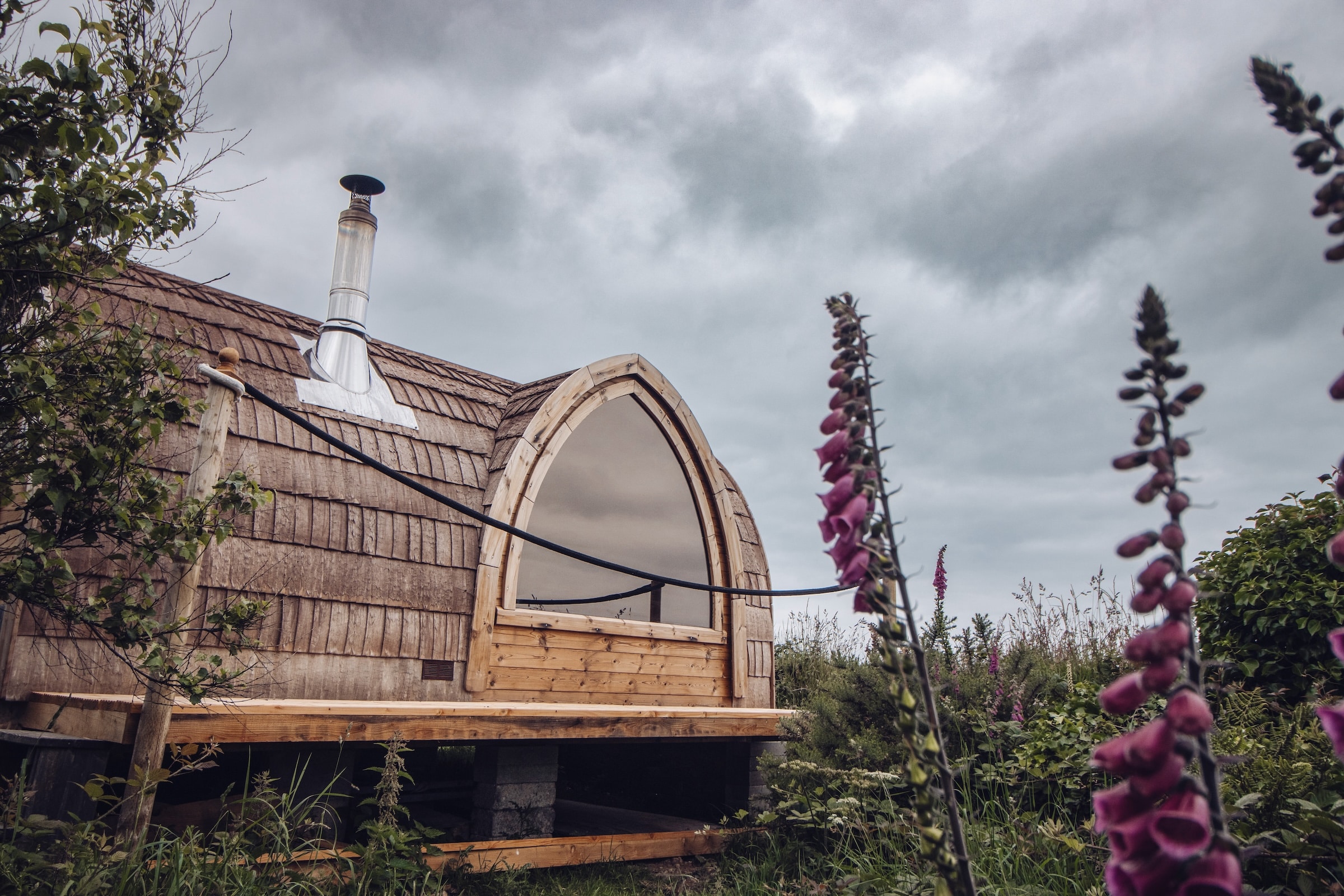
Over the past decade “it’s grown into a beautiful community here in of locals and visitors.” And for those seeking connection with nature it’s hard to beat.
“The coastline is rugged around Porthtowan. It’s elemental. It’s wild. We’ve got dramatic cliffs. We’ve got the winter swells coming in”, says Jana. “That’s Porthtowan for me. It’s magical, inspiring.”
Seeking solace, escape or community, there’s a range of holistic therapies or experiences available at either Soul Sweats locations, booked through their website.
Following the traditional German style, weekly sauna experiences include “meditation in the sauna combined with scent and intention and steam, then followed by either restorative yoga or breathwork and sound.”
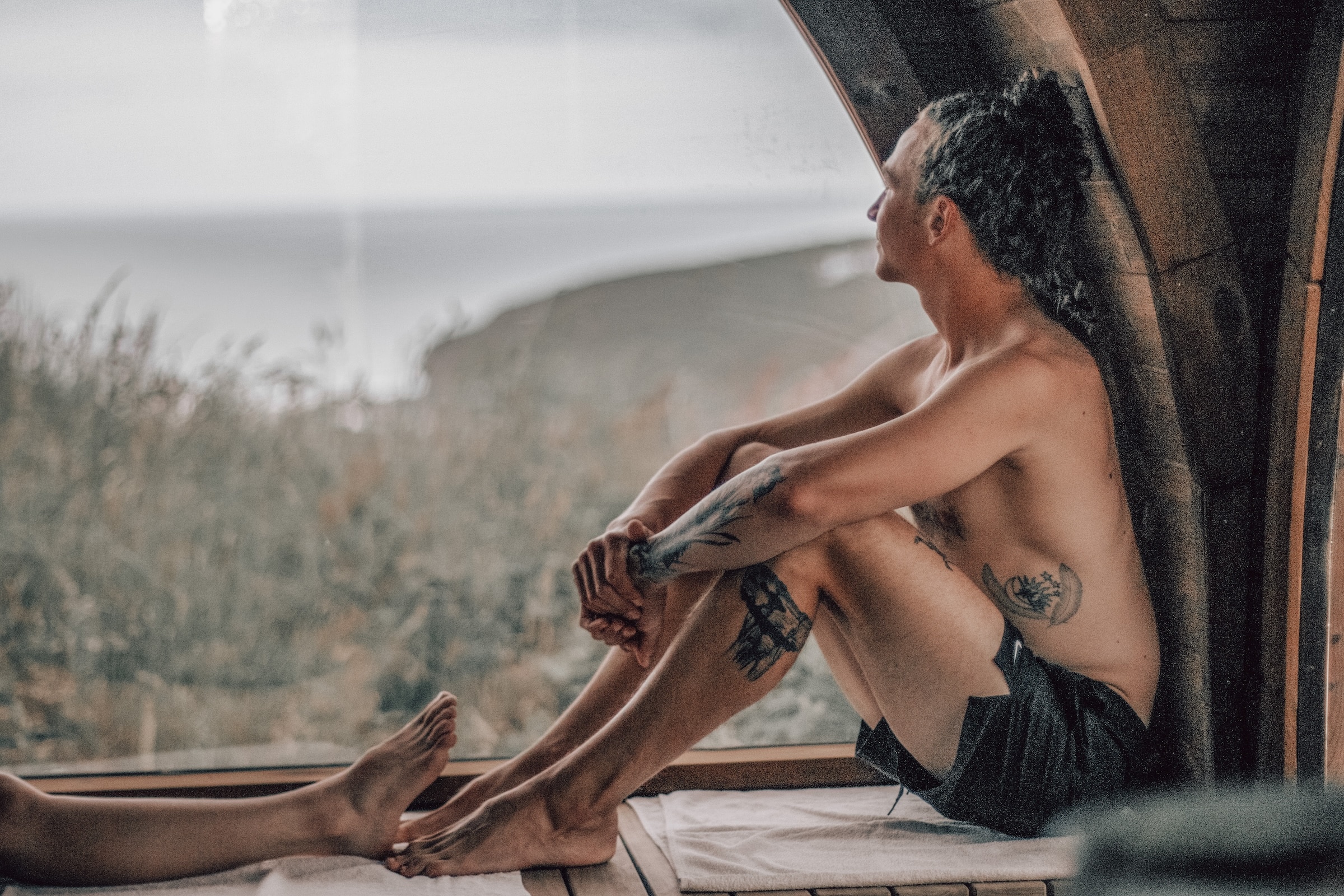
Jana and Sam also run a monthly sauna and women’s circle, and a range of retreats, mostly over the weekends, combining heat contrast therapy with their other holistic health offerings.
Their aim is to inspire a sense of calm and confidence in visitors, who are guided by Sam through ice baths, restorative yoga, sound healing and “all of the wonderful things”.
“Seeing people come with dysregulated nervous systems and stressed, not connected to themselves, and then leaving glowing and grounded, energised is definitely the most rewarding thing,” says Jana.
But Soul Sweats “isn’t just about wellness”, Jana adds. “We want people to remember how good it feels to be human in nature, especially when life feels heavy around us.”
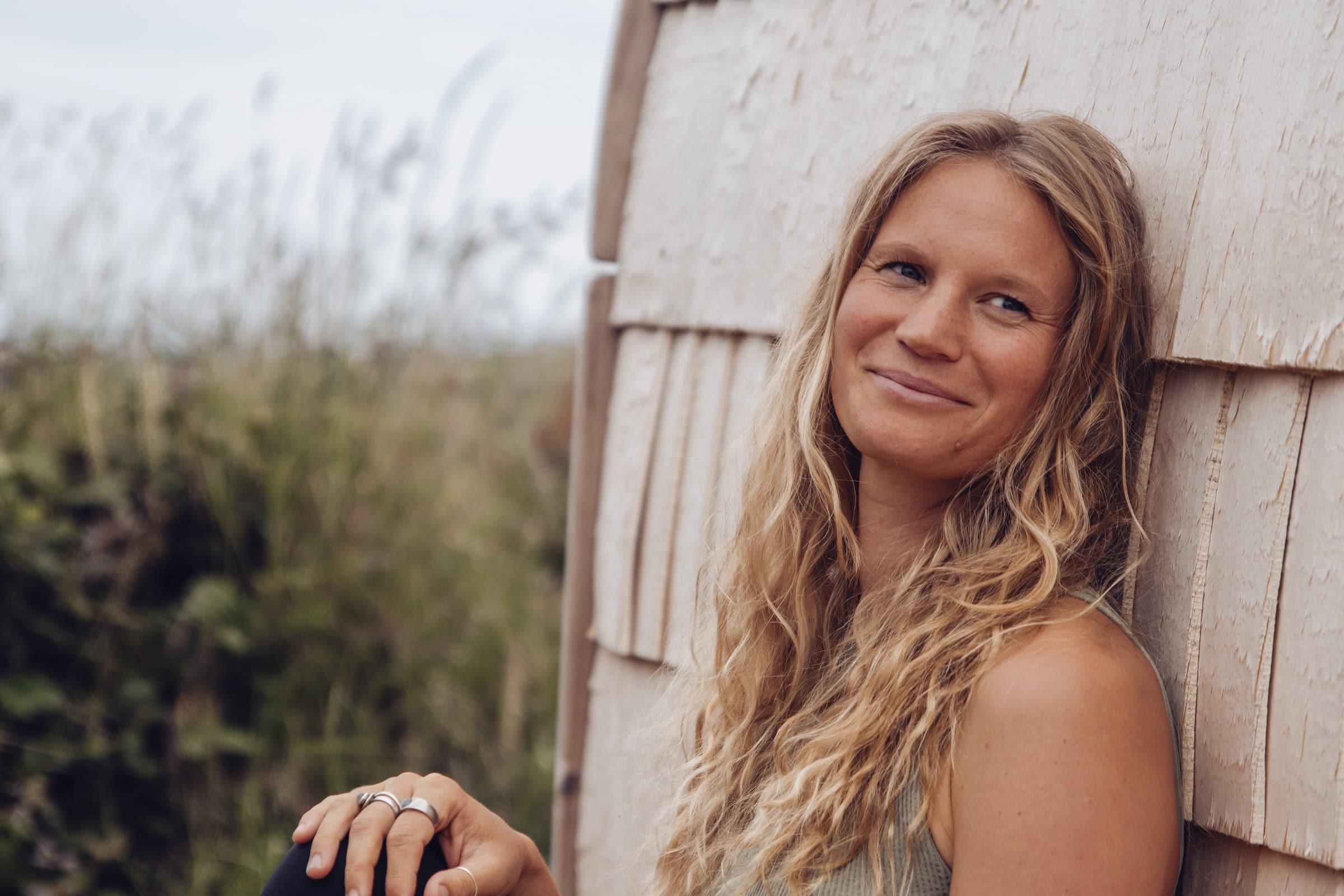
Soul Sweats is “a reminder to connect to our beautiful coastline, the sea. The heat and the cold has always a way of changing perspective. And, without a doubt, you never regret going in the ocean or going in the sauna.”
Find your secret reason to be by the sea during Secret Season on Cornwall’s north coast. Stay in Portreath or Porthtowan.
Sauna images by @risen_wild_photography
Ocean images by @atlantic_surf_photography
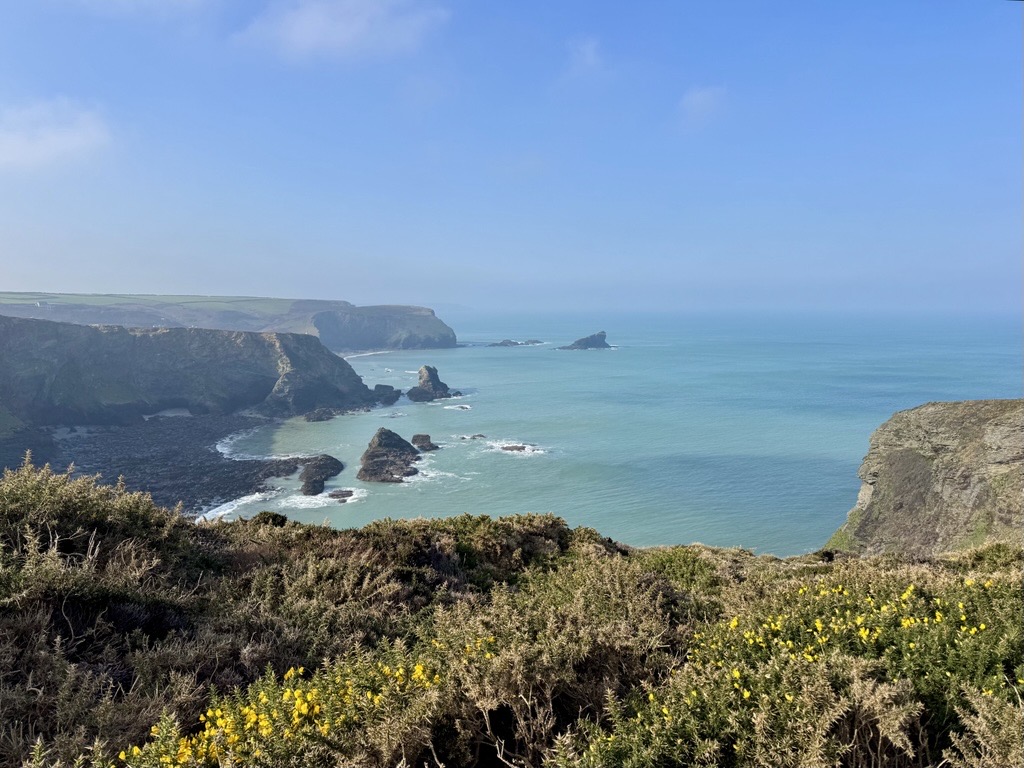
It’s Secret Season, and this week we’re exploring a stretch of the north coast which has a wilder feel to it. Between Portreath and Porthtowan, the coastline is rugged and open, shaped by mining history, Atlantic weather and the steady rhythm of the sea. It’s a brilliant place for a winter walk — dramatic and varied, with plenty to spot along the way.
Begin in the harbour village of Portreath, where fishing boats sit behind the narrow harbour entrance and surfers gather on the beach.
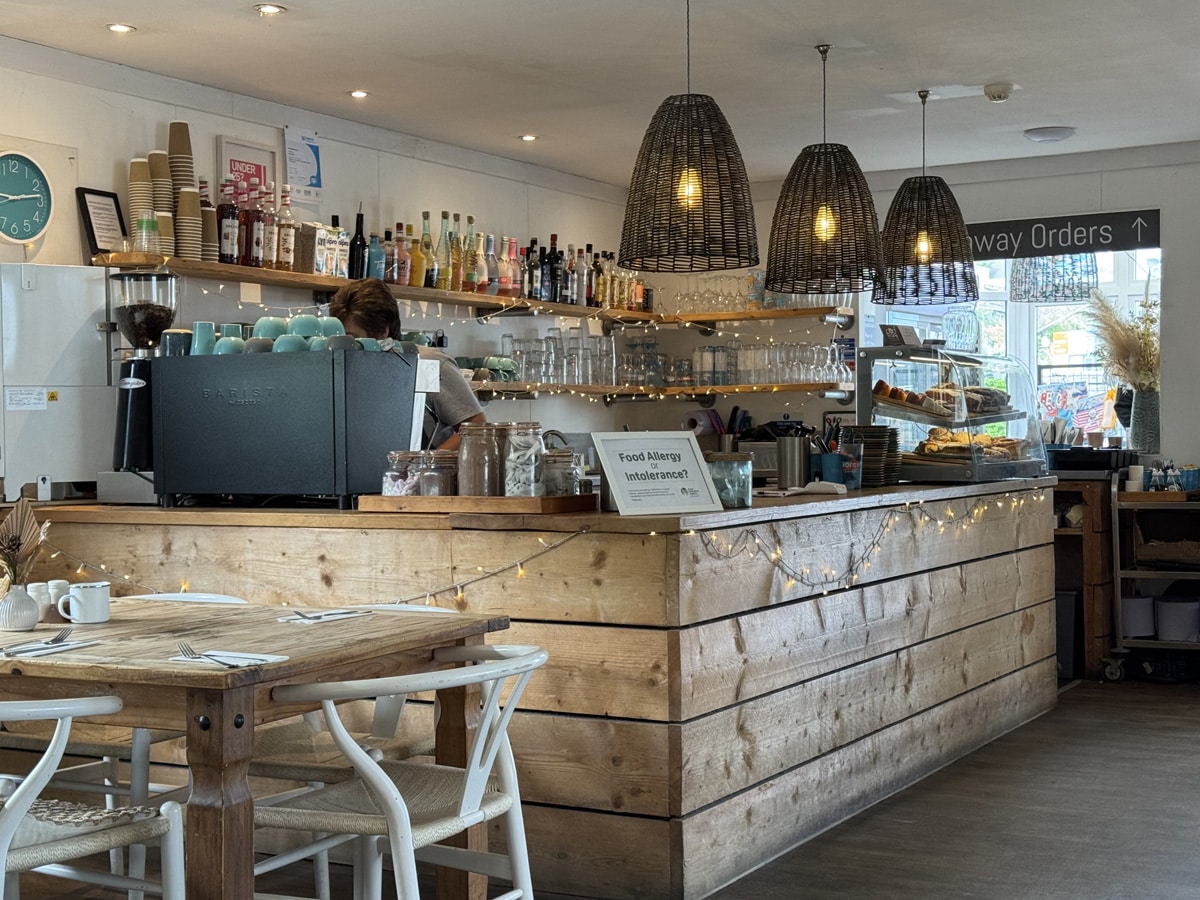
Before setting off, grab breakfast or a coffee from The Pod Café and take a wander around the harbour.
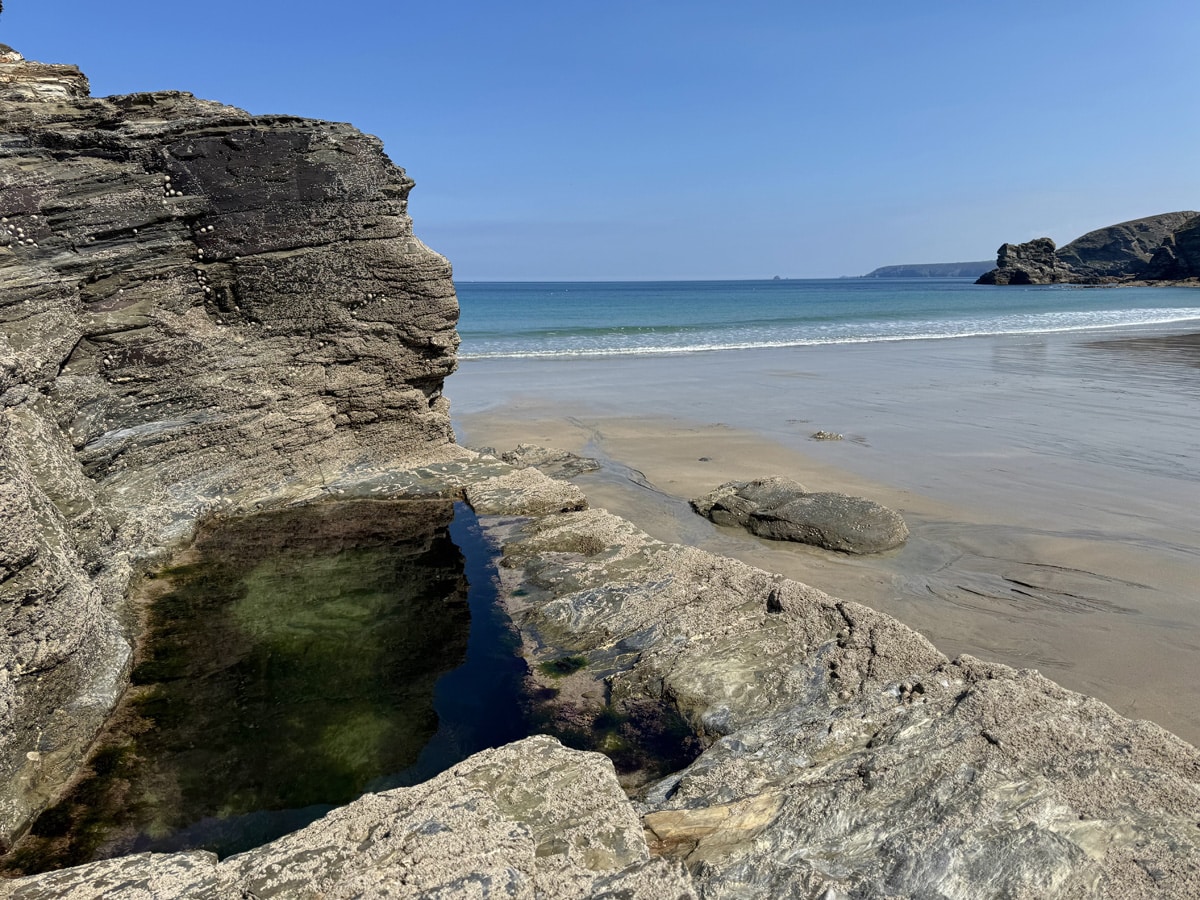
Keep an eye out for some of the village’s historic landmarks. A tidal pool sits hidden in the rocks beneath the harbour wall. Lady Basset’s Baths, a collection of unique hand-carved baths created in the 18th century for Lady Basset to bathe in the cliffside.
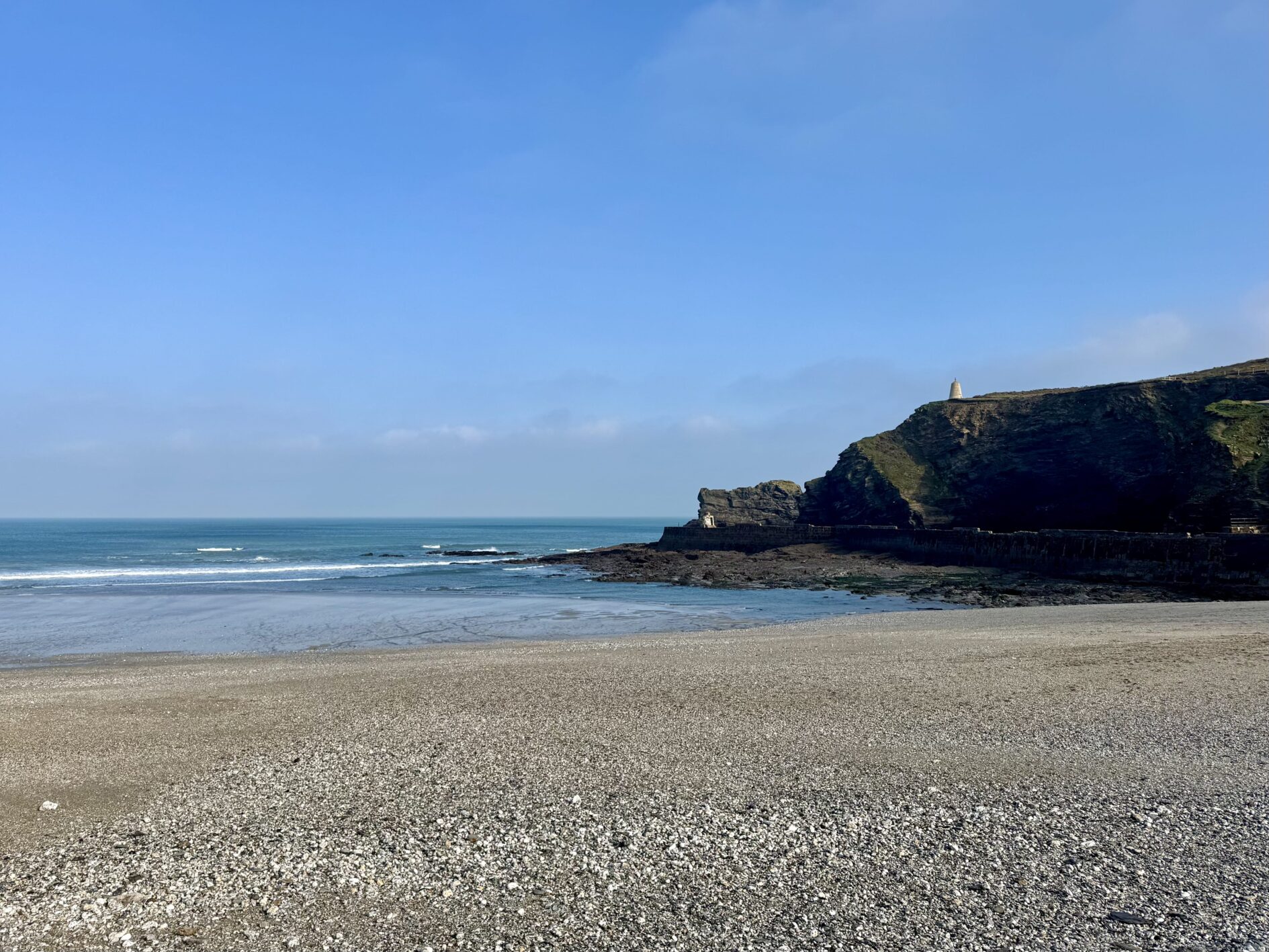
The white Pepperpot Daymark perches high on the cliffs above the harbour, originally built as a signpost for passing ships. If you’ve got the time, take the short detour up to the viewing point for a wide view back over the beach and coastline.
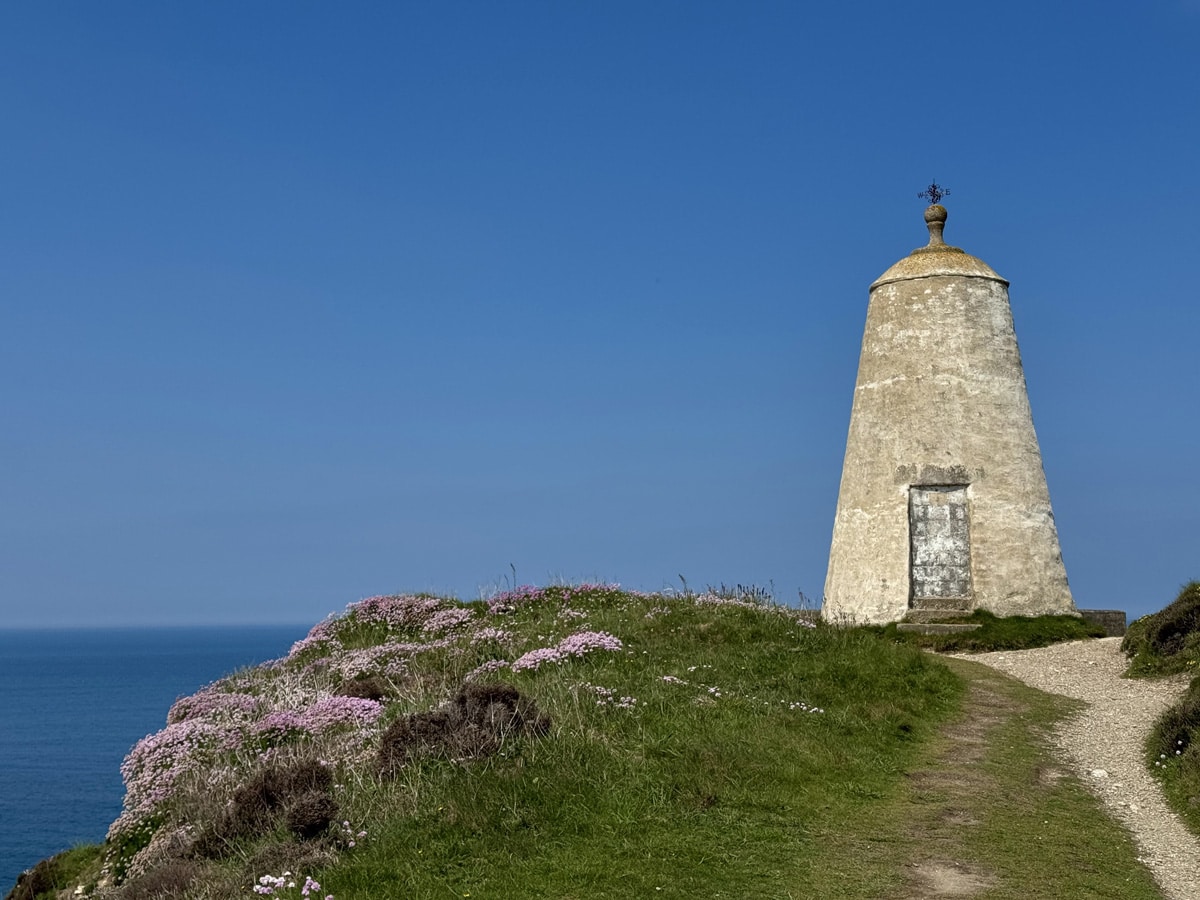
To join the South West Coast Path, walk up the road out of the village and follow the signs to the clifftop.
The walk between Portreath and Porthtowan takes around two hours. It’s not the easiest stretch of coast path – there are a couple of steep climbs with steps, and parts can get muddy at this time of year – but the views make it worth it.
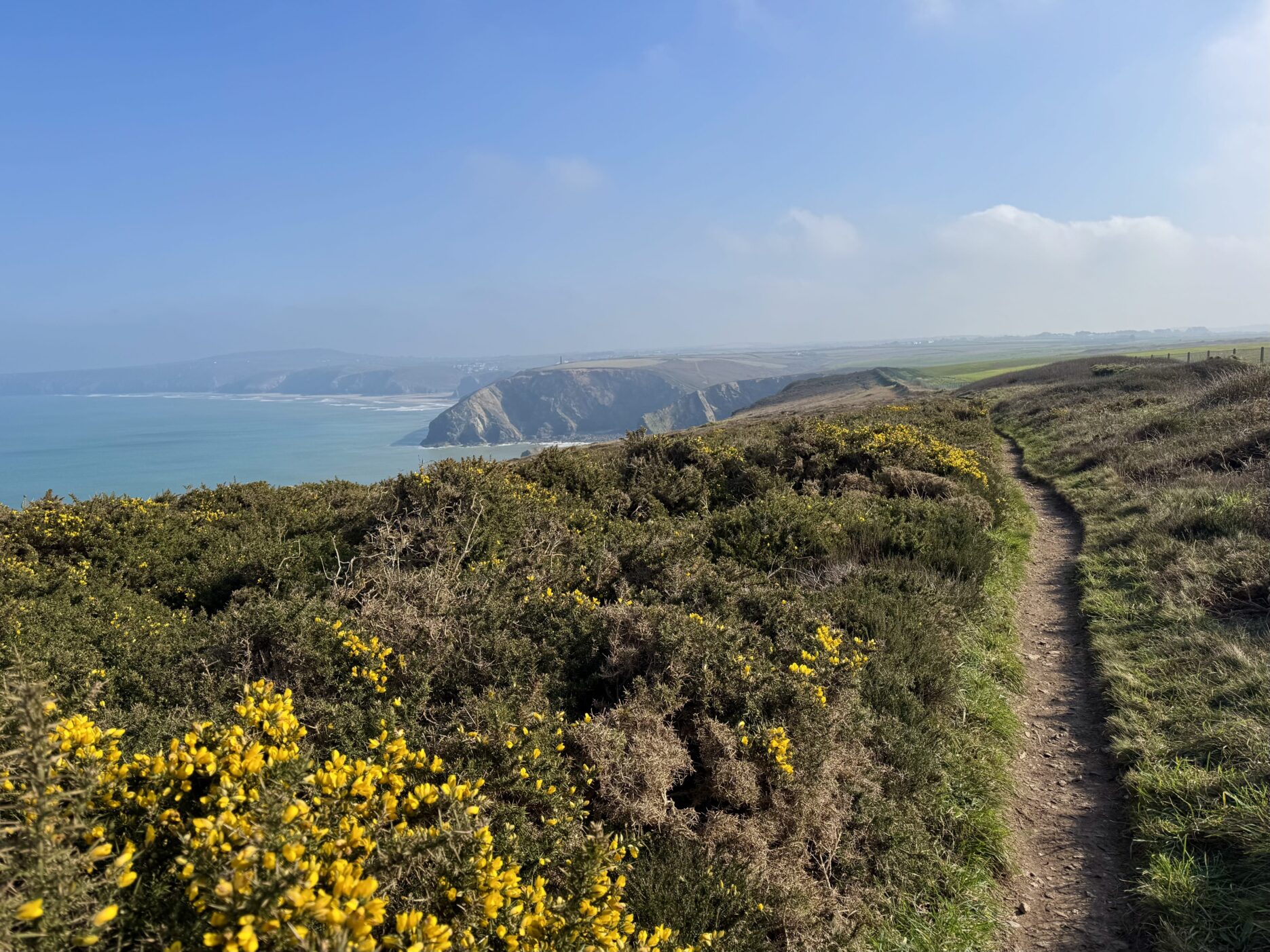
Along the way the landscape shifts constantly. Gorse brightens the clifftops in early spring, freshwater streams tumble down the valleys to the sea like mini waterfalls, and old mining workings sit quietly in the grass. In places the path has been carved directly into the cliffs, with steep steps rising and falling between headlands.
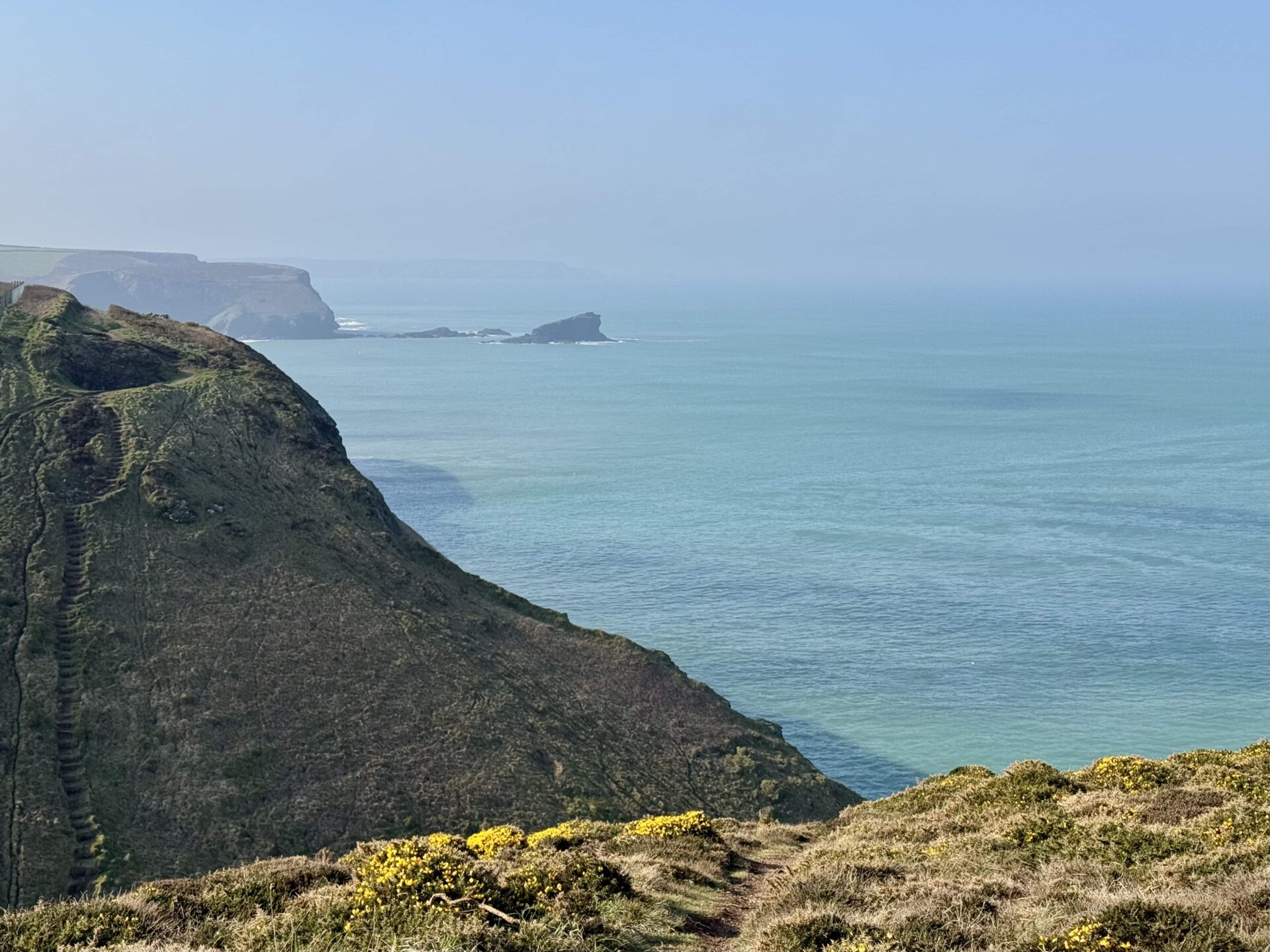
Wildlife is never far away here. Seals are often spotted along the rocks below, and if you’re lucky you might see the distinctive red-beaked Cornish chough wheeling overhead.
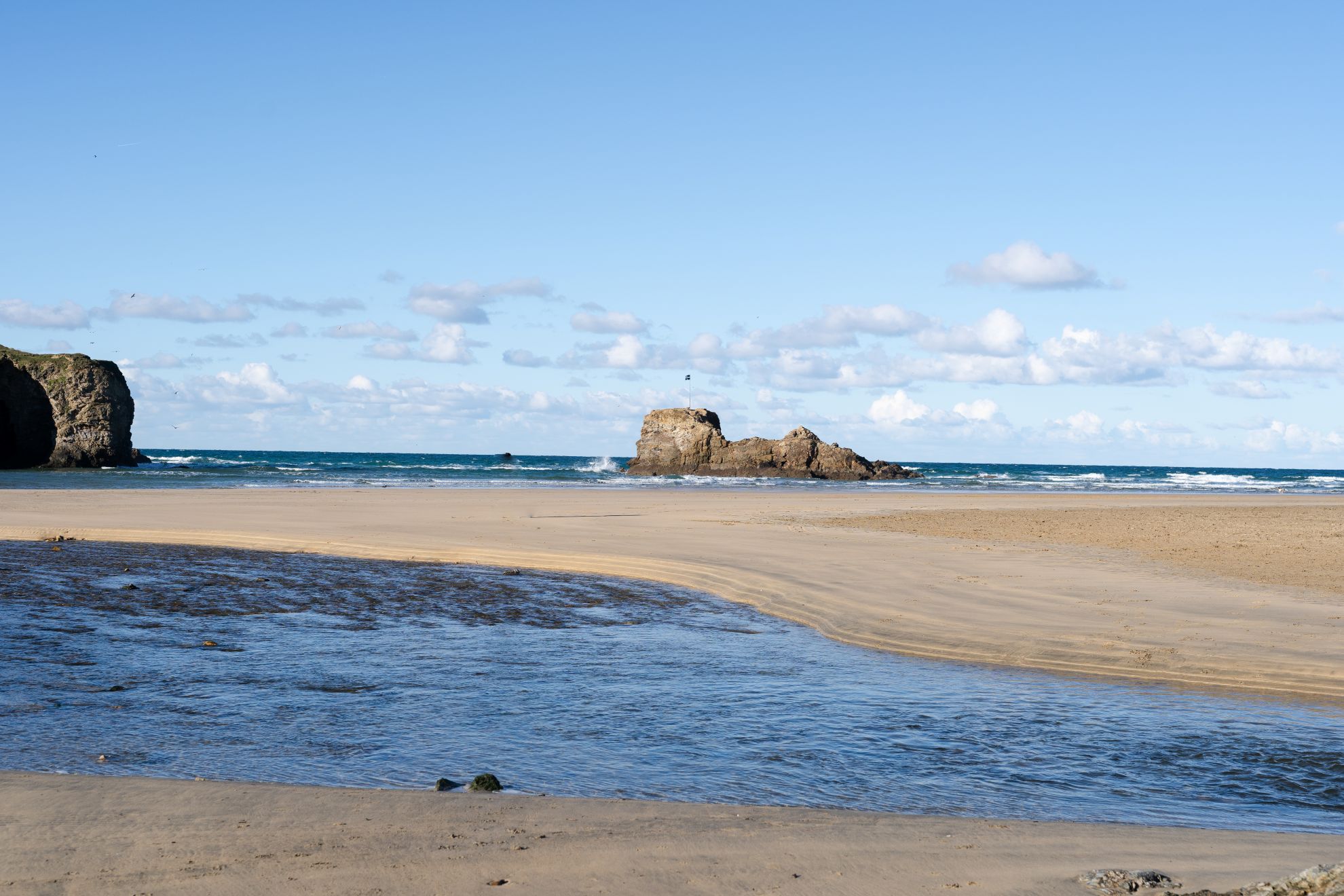
There are several hidden coves along the route. First comes Rankine Cove, followed by the nature reserve at Sally’s Bottom, and then Felicity’s Cove, where the rocky landmark known as the Tobban Horse sits just offshore.
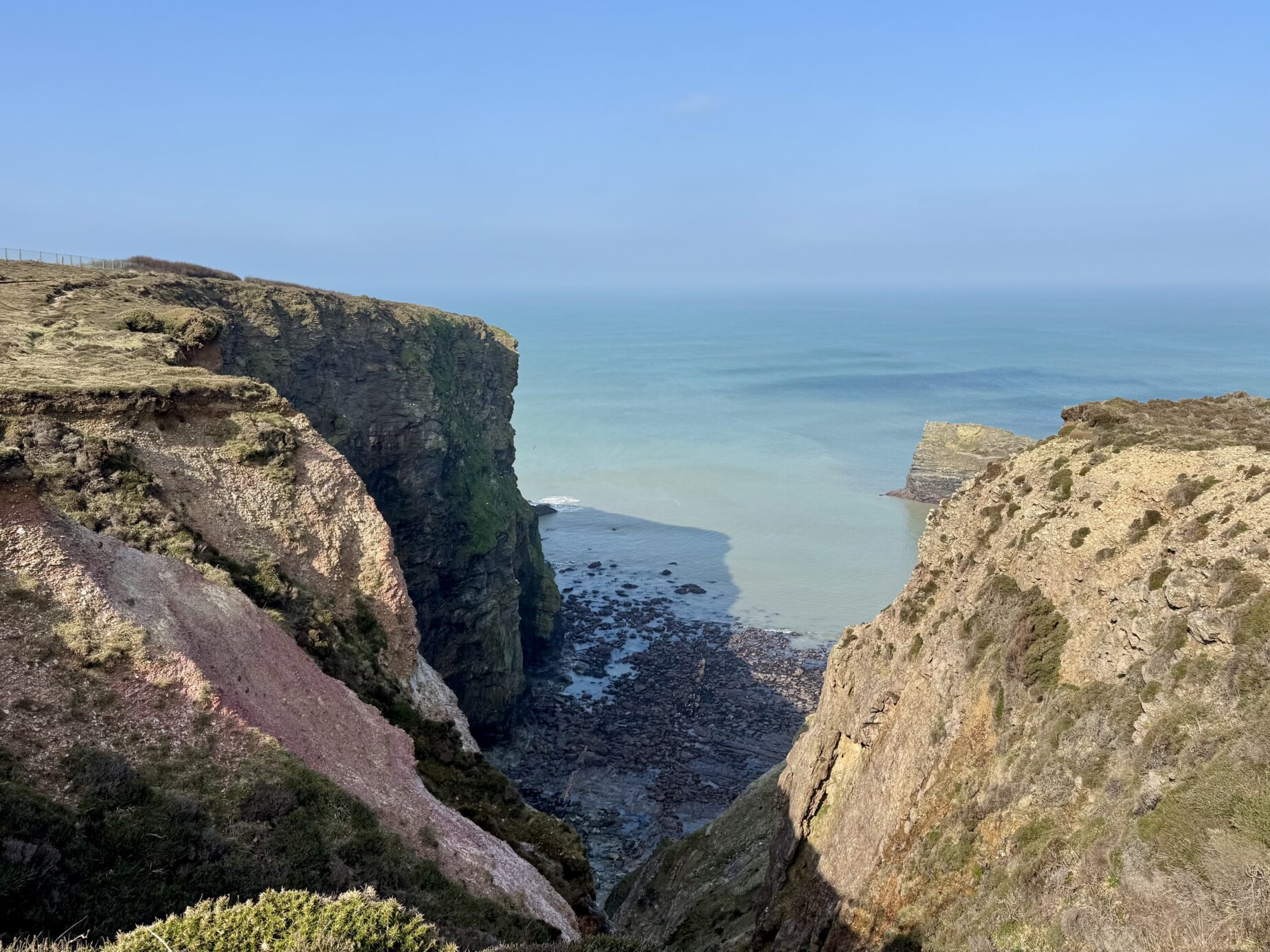
They’re difficult to reach on foot, but beautiful to pause and look down on – and a good place to scan the rocks for seals basking in the sun.
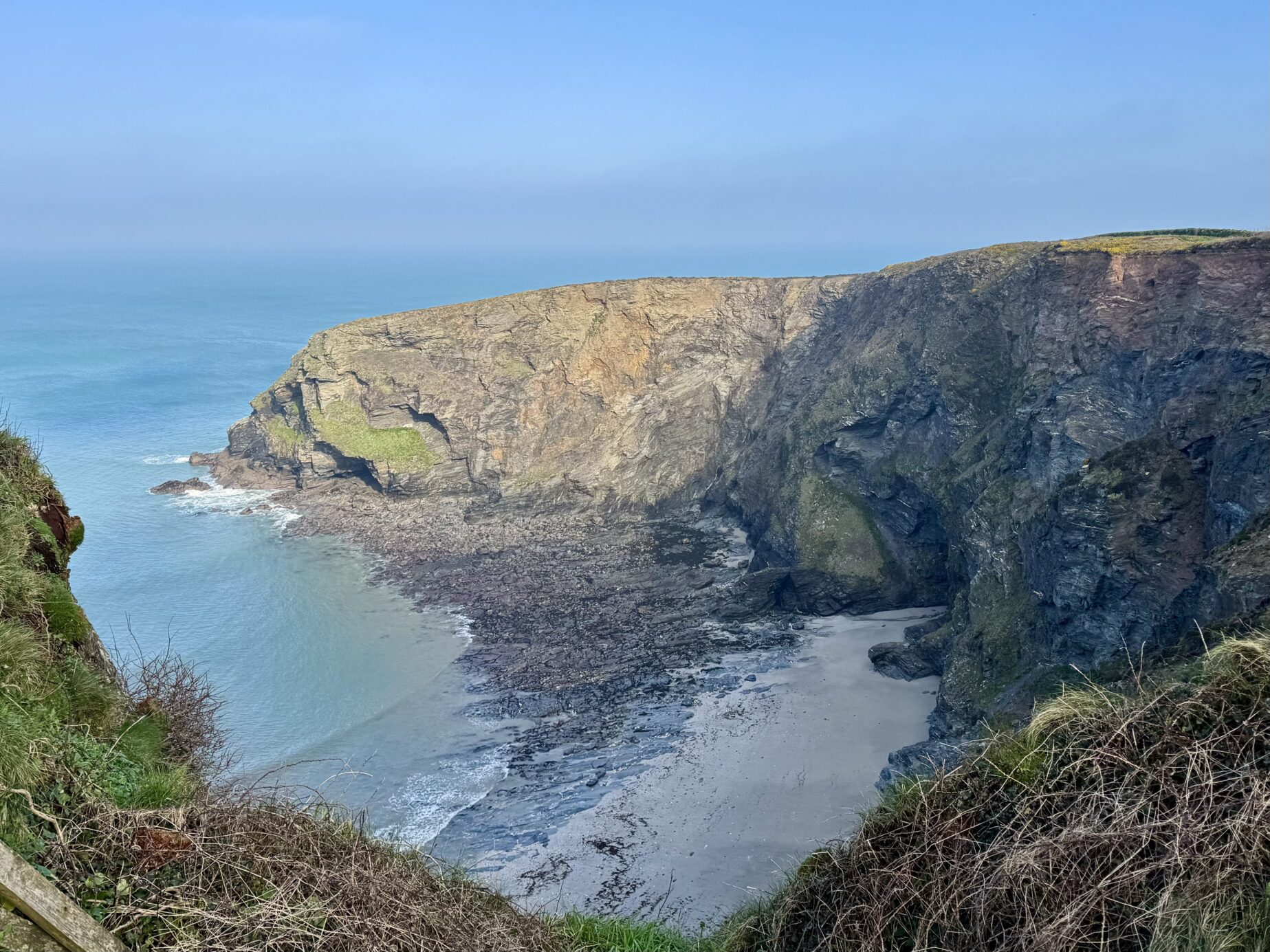
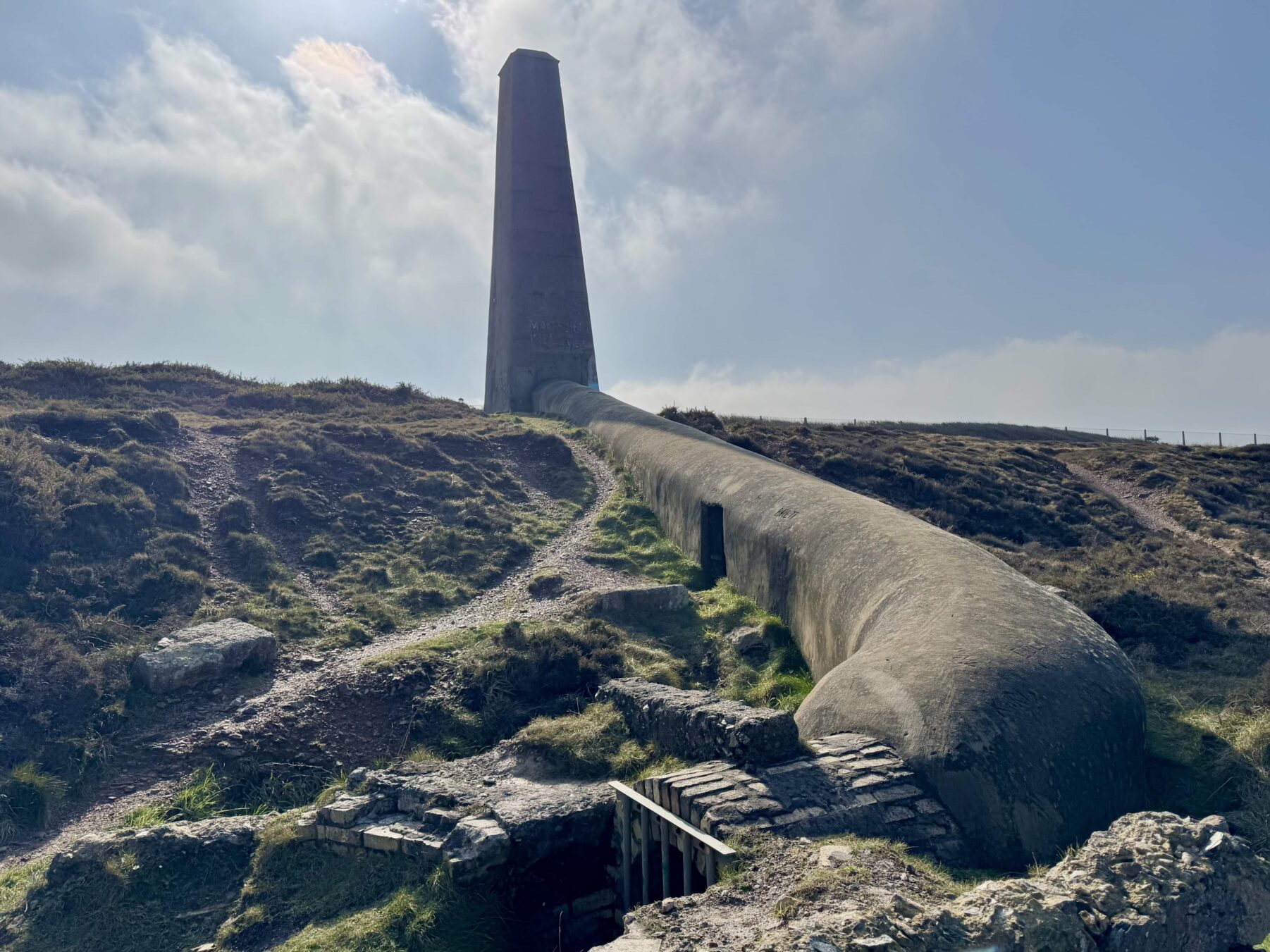
As you get closer to Porthtowan, you’ll pass the historic mining remains at Wheal Tye, a reminder of the industrial history that once shaped this coastline dating back to the 18th and 19th centuries.
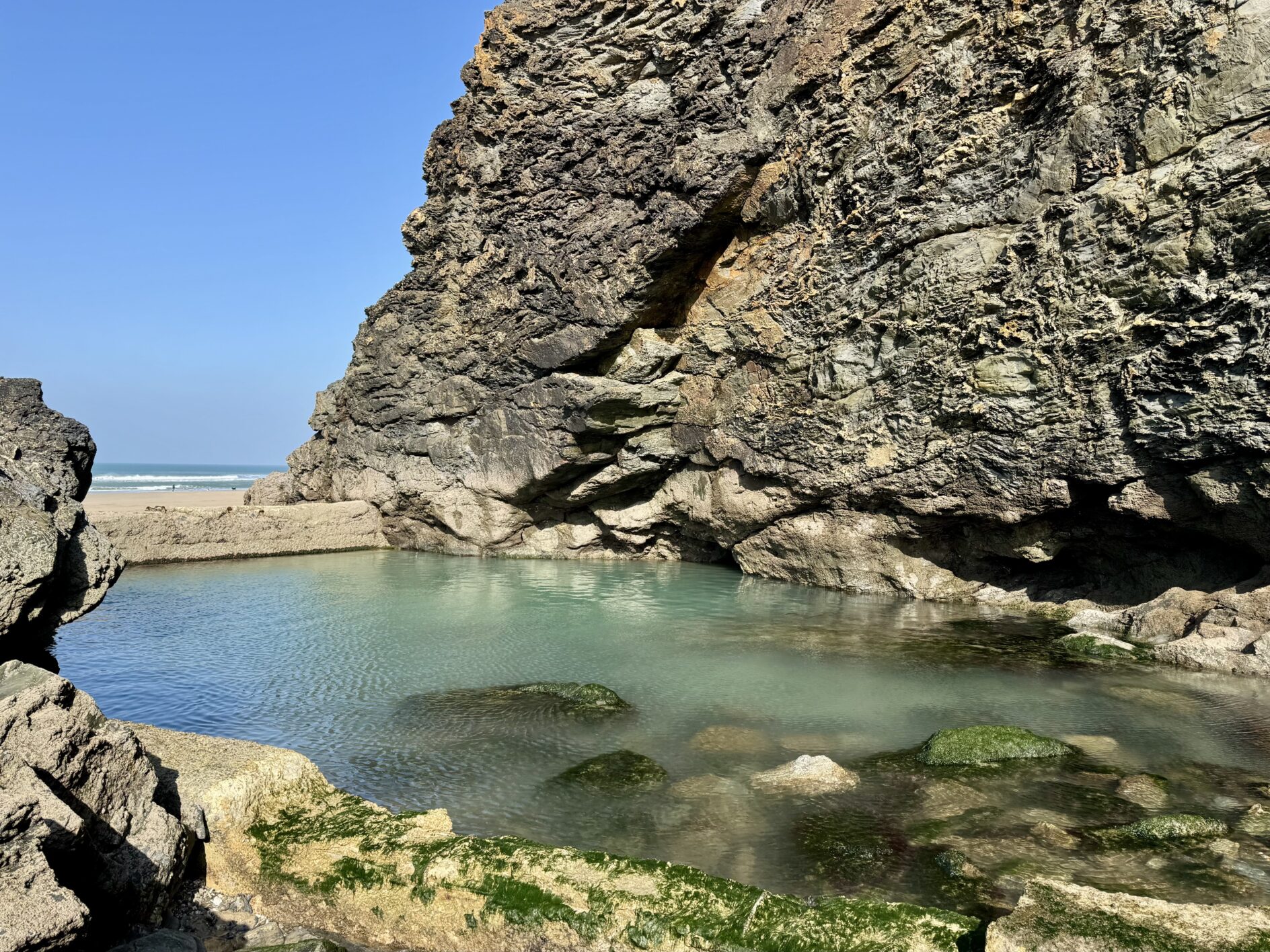
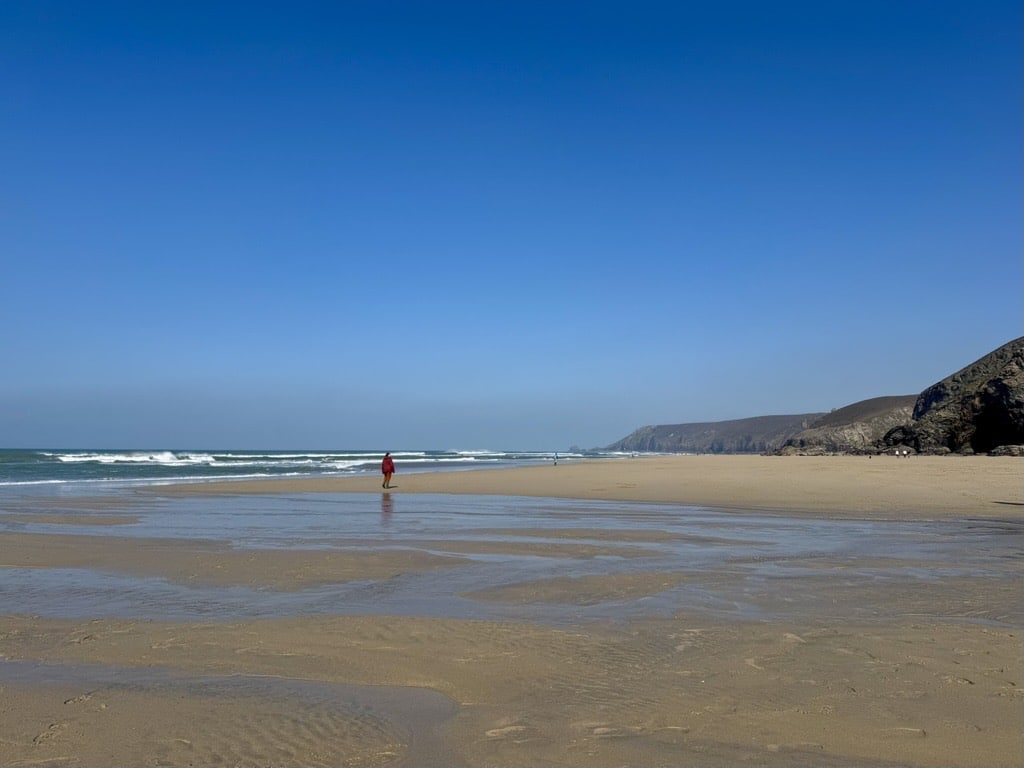
The path eventually drops down into Porthtowan, where the wide sandy beach opens out between the cliffs. At low tide you can sometimes find a small hidden tidal pool at the far end of the beach – perfect for a quick dip if you’re feeling brave.
Walk along the sand to see the mining remains of Wheal Charlotte, which sit quietly at the edge of the beach.
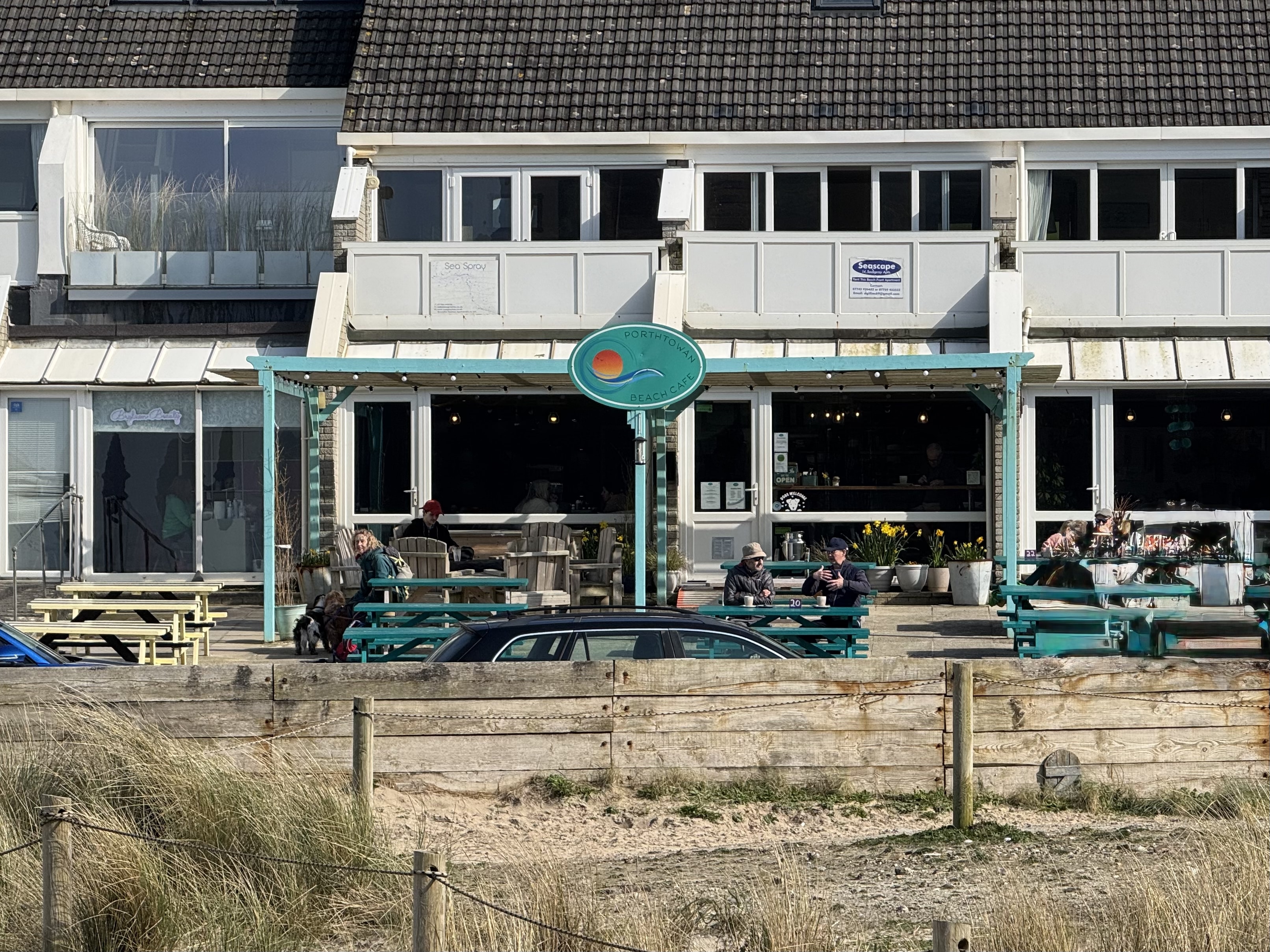
For lunch, head straight to Porthtowan Beach Cafe, known for its relaxed atmosphere and front-row view of the sea. Keep an eye out for the resident sausage dog, Slinky, who’s often wandering around greeting visitors. Afterwards, stop next door at Moomaid of Zennor Porthtowan for ice cream.
If you’re feeling energetic you can always walk back the same way. Otherwise, many walkers use the A2B Taxis Cornwall App to arrange a ride back to Portreath. Phone signal along the cliffs can be patchy, but the cafés in Porthtowan usually have Wi-Fi if you need it.
However you return, it’s a stretch of coastline that rewards slow exploring – dramatic cliffs, hidden coves and plenty of reasons to pause along the way.
Stay in Portreath or Porthtowan and explore coastal wonder out of season.

Empty beaches, a slower pace and the joy of getting lost. David Lorimer of Brocante in Perranporth loves discovering new places in Cornwall’s Secret Season
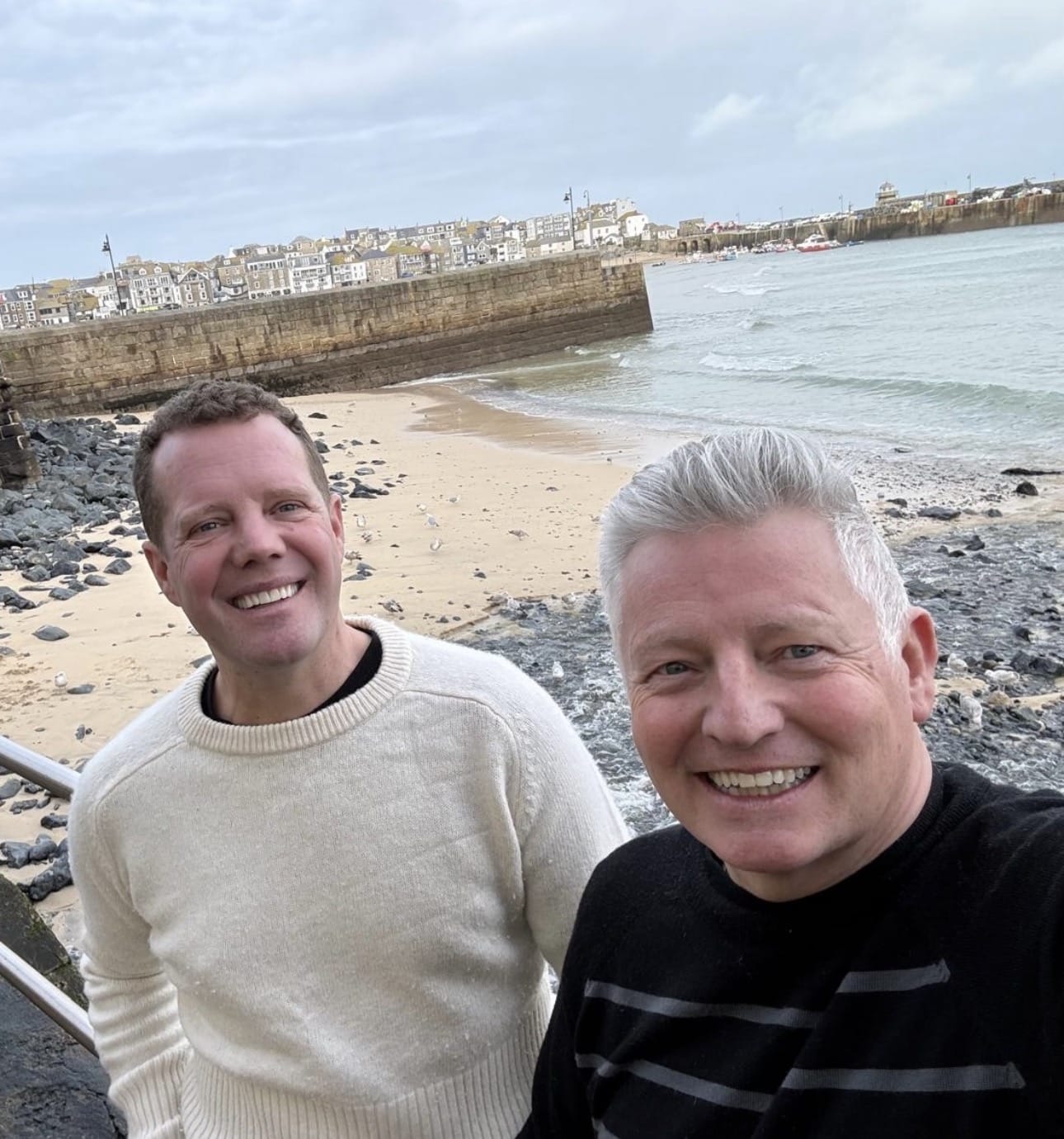
“This time of year, you have the chance to explore a bit more without crowds. It’s a good time to come down, and quite forgotten by a lot of people,” says David. “You think, well, it’s wet. But there’s still stuff you can do when it’s raining – and it gives you the chance to explore more of the towns, villages and countryside, at a pace you just don’t get in summer. And find new things.”

David’s secret reason to be by the sea at this time of year is simple: get in the car and drive – no particular destination in mind – just see what happens. “I don’t mind getting lost, because then you find new things.”
A new coffee spot, towns you don’t normally visit, different walks with his little greyhound. Recently he discovered Ost in Truro, where chef Alan Rosenthal was hosting a pop-up supper. He also stopped at the Halfway House near Wadebridge where South African chef Hank de Villiers Ferreira is cooking up dishes well worth the detour. “It’s really nice to find new places to eat – at this time of year you can find places a lot easier. And sometimes you find new things which are really interesting.”
Just like the places David stumbles on during his winter rambles, people who come to Brocante find things they didn’t realise they’re looking for.
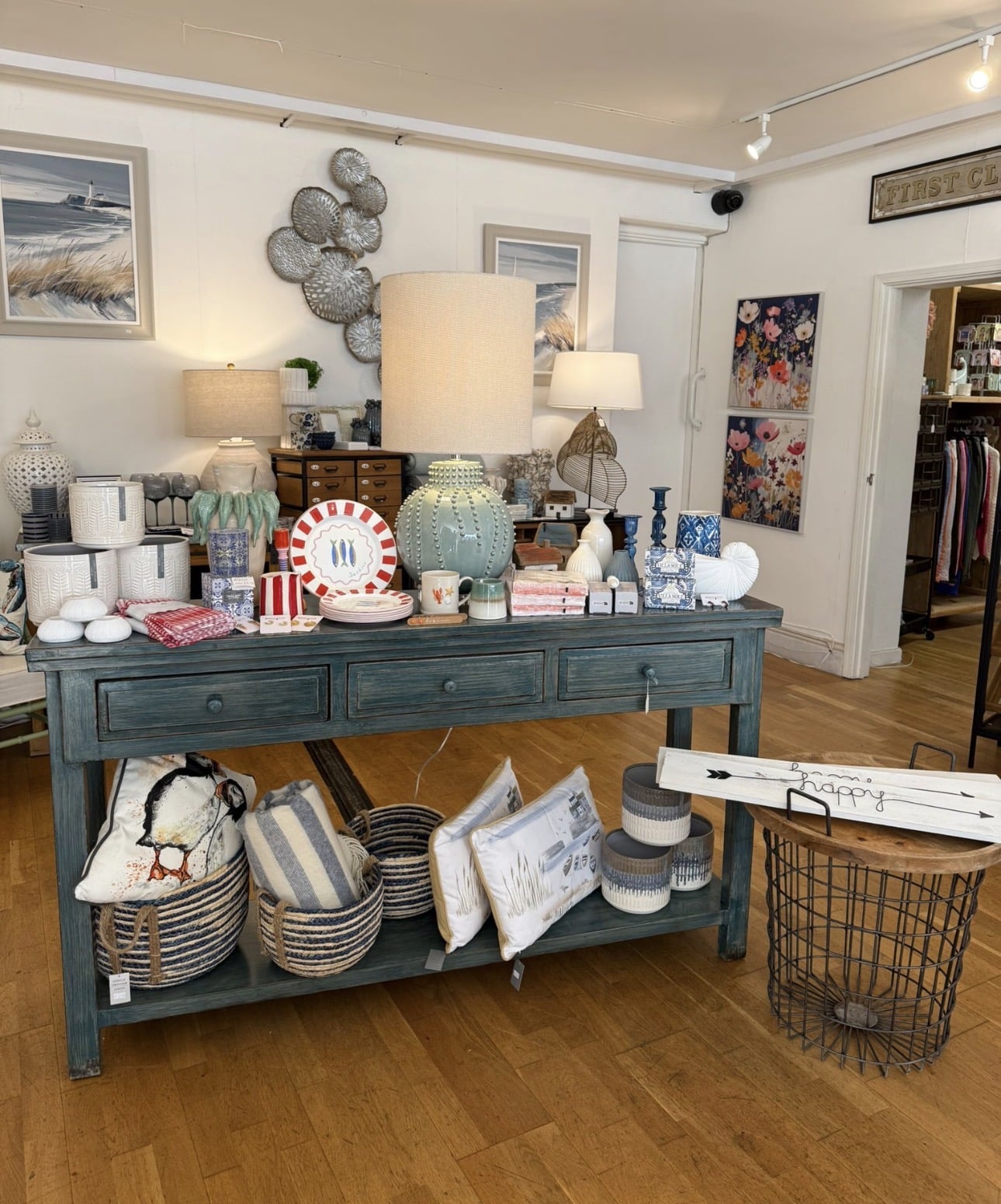
The shop is filled with a curated range of home interiors. “We say beautiful things, to create an experience,” explains David. “It’s about people coming in and seeing things that they want for the house. Not necessarily need. But we pride ourselves on selling things that make people’s houses really nice.”
Even on a steely winter’s day, the window display of homewares and gifts beckons people inside. But then part of what drew David to Perranporth – and keeps Brocante’s doors open every day except Christmas – is its spirited, year-round community.
“I love Perranporth. It’s got a really big local community, which is one of the reasons we made the decision to open here 20 years ago.” His commitment back to that community is straightforward: stay open. “If somebody is looking for a card on a rainy day in January, they don’t have to think, ‘will it be closed today?’”
David’s tips for visitors to Perranporth in secret season? The Watering Hole – one of the only pubs right on a beach – is a must. Duck in under the heaters, order a hot chocolate and watch the Atlantic on a blustery day. His local highlight is the Jaipur Indian restaurant’s charity dinner, where you pay what you want, meet new people, and give the money to a good cause. “It’s an amazing thing to do,” says David.
Nestled on the seaside town’s ‘high street’, Brocante offers a warm welcome with walls full of beautiful things to browse. “We try to make it look as simple as possible but give people an idea of how it’s going to look in their own homes.”

Now with nine stores across Cornwall and Devon, it’s much bigger than David and his partner thought it would ever become. “To celebrate 20 years is amazing, considering it was something that was meant to be a small little business.” To mark the milestone, Brocante is offering 20% off full-price furniture – the first sale they’ve ever held.
It’s as good a time of year to bring a new look to a property, says David, as it is to find new places to visit and perspectives by the coast.
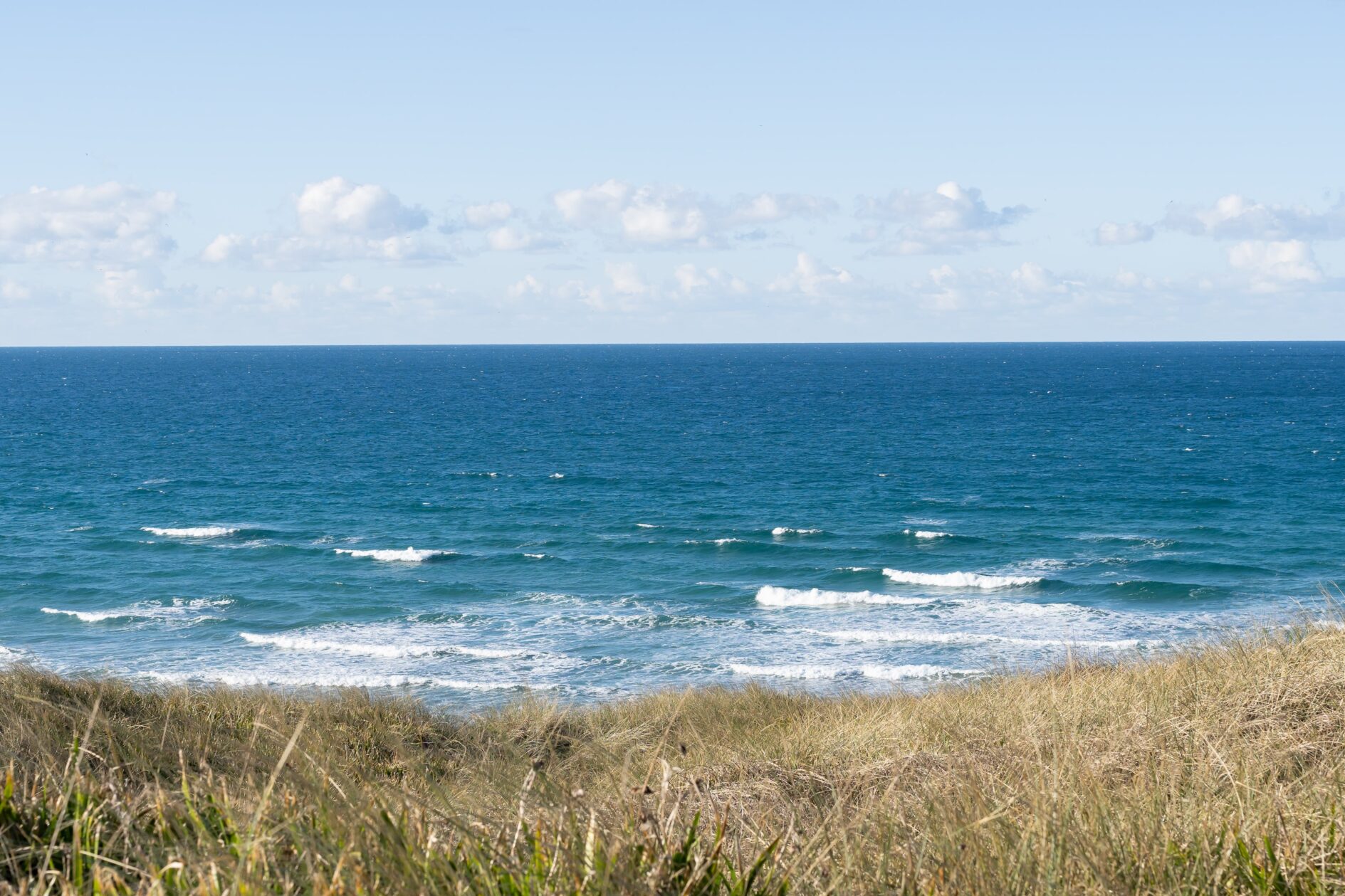
Will you find your secret reason to be by the sea in Perranporth?
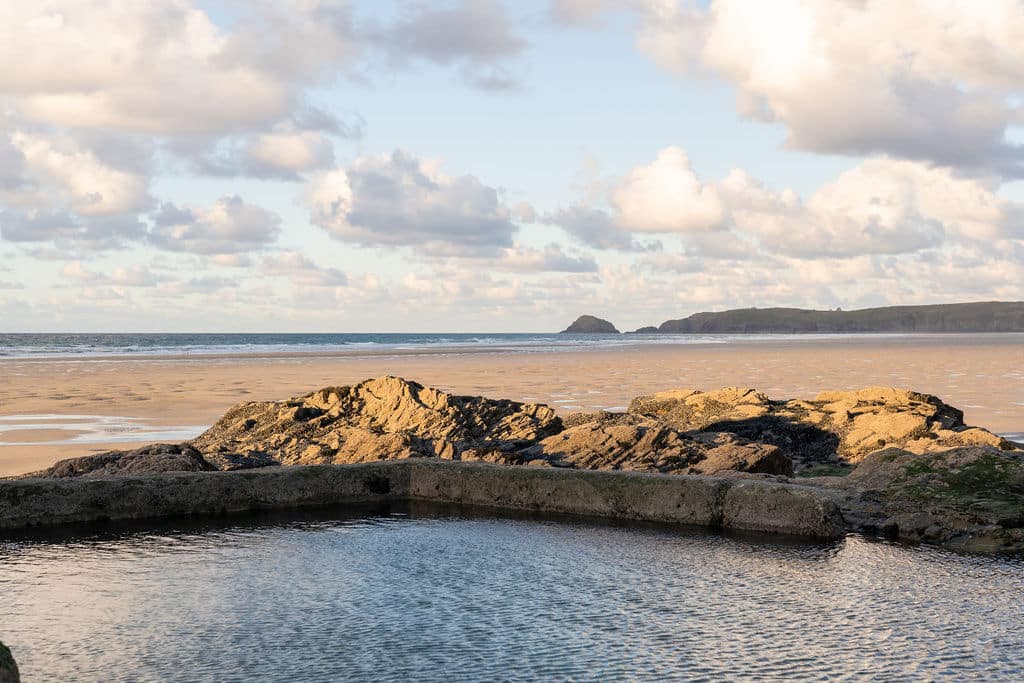
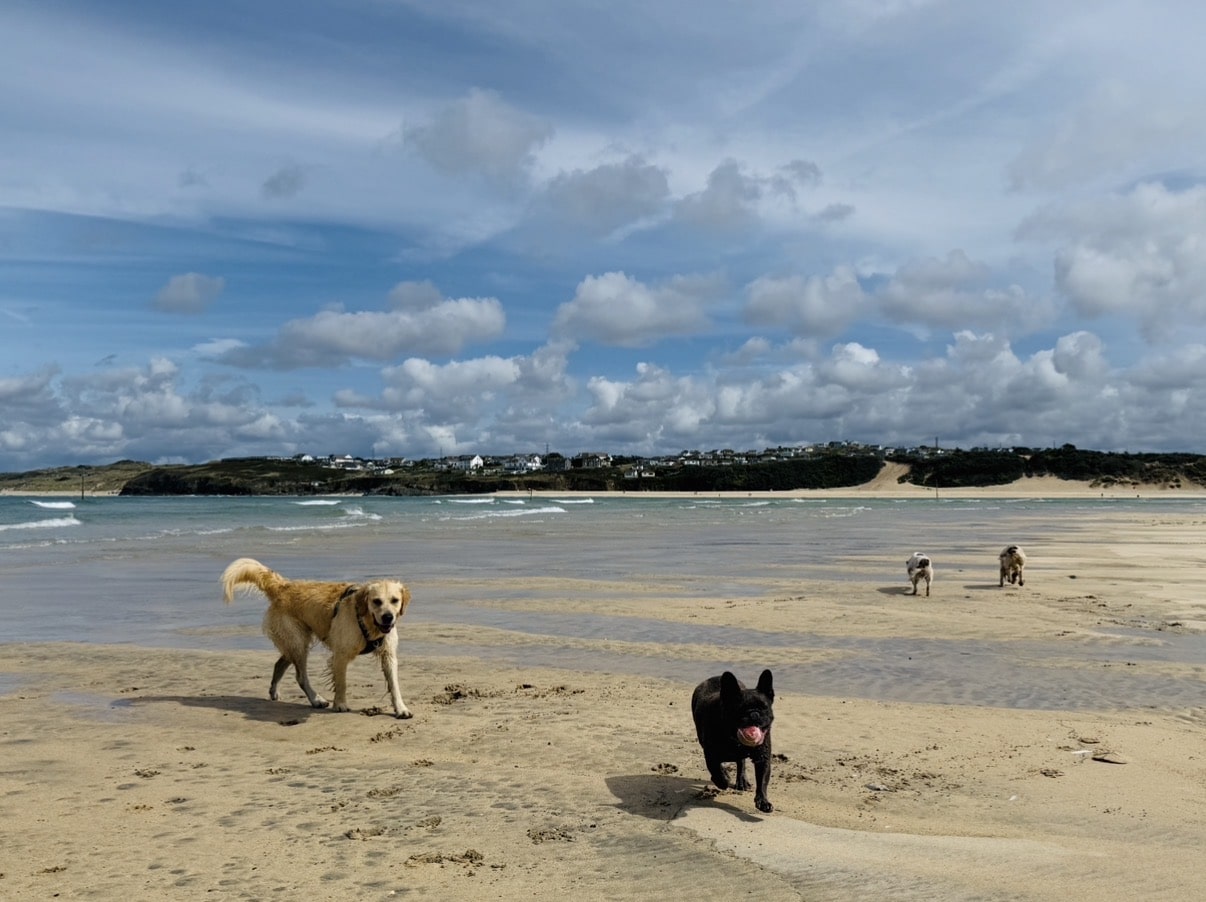
Miles of empty shoreline, rolling dunes to roam and cosy cafés where sandy paws are welcome. As dog walker Jess from Smith & Snout knows well, Hayle is a Secret Season haven for dogs and their owners.
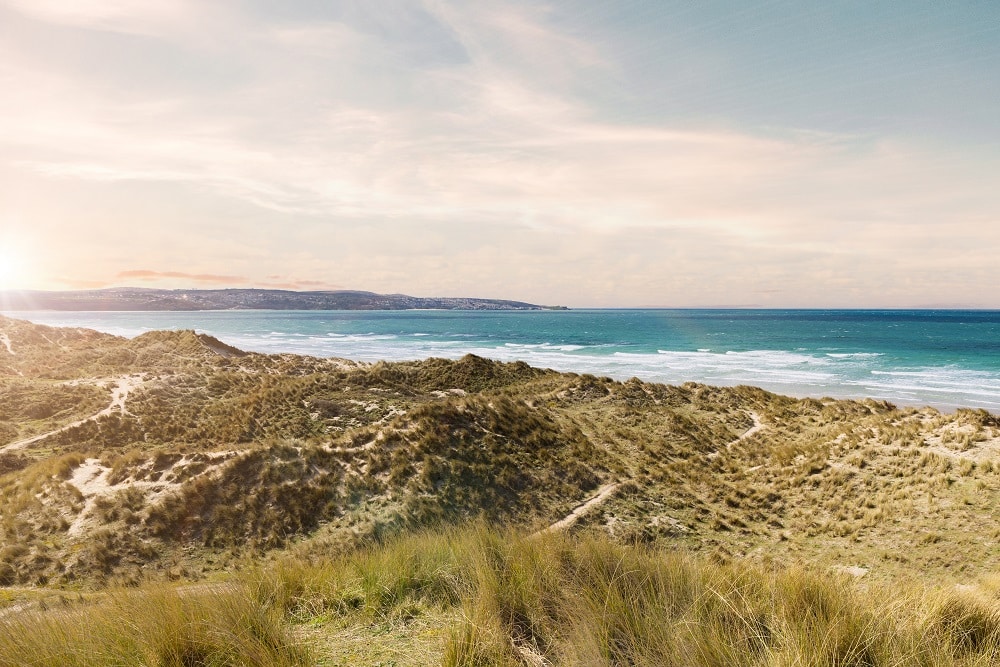
“You can have the entire three-mile stretch of beach to yourself, with just no one else around. It’s really, really nice. And I also prefer the colours at this time of year – they’re just so rich and deep. It’s absolutely beautiful,” says Jess, who set up her dog walking and training service about two and a half years ago. “I’ve lived here my whole life and I still look out, and can’t believe its beauty.”
What makes Hayle unique is the sheer variety of terrain packed into the area. “It’s great for dogs because of all the different environments we’ve got within a five-mile radius,” says Jess. “If the dogs are keen swimmers, we’ve obviously got the beach, they can catch some waves in, which some of my dogs do.”
As well as the miles of Atlantic shoreline and the South West Coast Path, Hayle is also home to one of the UK’s most extensive sand dune systems – known as the towans. “Dogs absolutely love sniffing around the towans, where they can run to their heart’s content.”
Beyond the coast, “there are woodland areas like Tehidy, which is great for smells and stick chasing. And we’ve got Trencrom Hill with sweeping views.”
With a deep understanding of canine behaviour, Jess tailors her walks for each animal in her care. “I take group walks of up to six dogs for friendly, social dogs. I do solo walks for dogs that aren’t so friendly. I also work with reactive dogs and nervous dogs,” she explains.
Her approach is rooted in a lifelong passion. “I’ve always loved animals since I was a kid. I’ve wanted to work with them my whole life,” says Jess, who’s spent years caring for and training all manner of four-legged animals, and owns a pair of Romanian rescue dogs.
Whether they’re wave-chasers or woodland sniffers, every dog in her care gets exactly the adventure, and attention, they need.
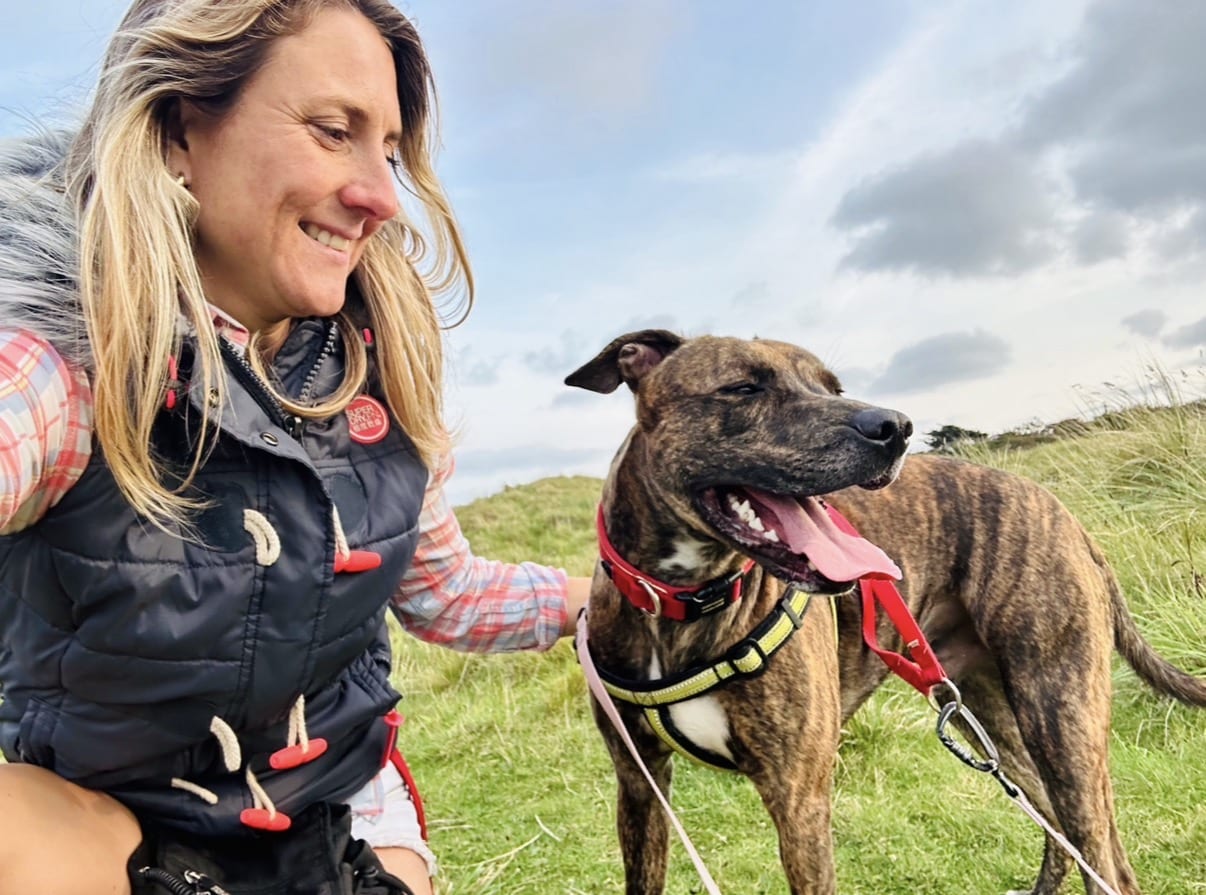
When she’s not walking dogs, Jess makes time for a cold-water dip when she’s feeling brave enough. “We’ve just got a new sauna right on the beach in Hayle, so it’s really handy to warm up afterwards. And there’s a little horse box on the beach where they do awesome hot chocolates with marshmallows and the works.”
For post- or mid-walk hot chocolates, Hayle’s three-mile stretch is bookended by two dog-friendly cafés – Godrevy Café at one end, Gilbert’s at the other – with little hideaways like The Jam Pot and the Cove Cafe tucked among the sweeping sand and dunes between.
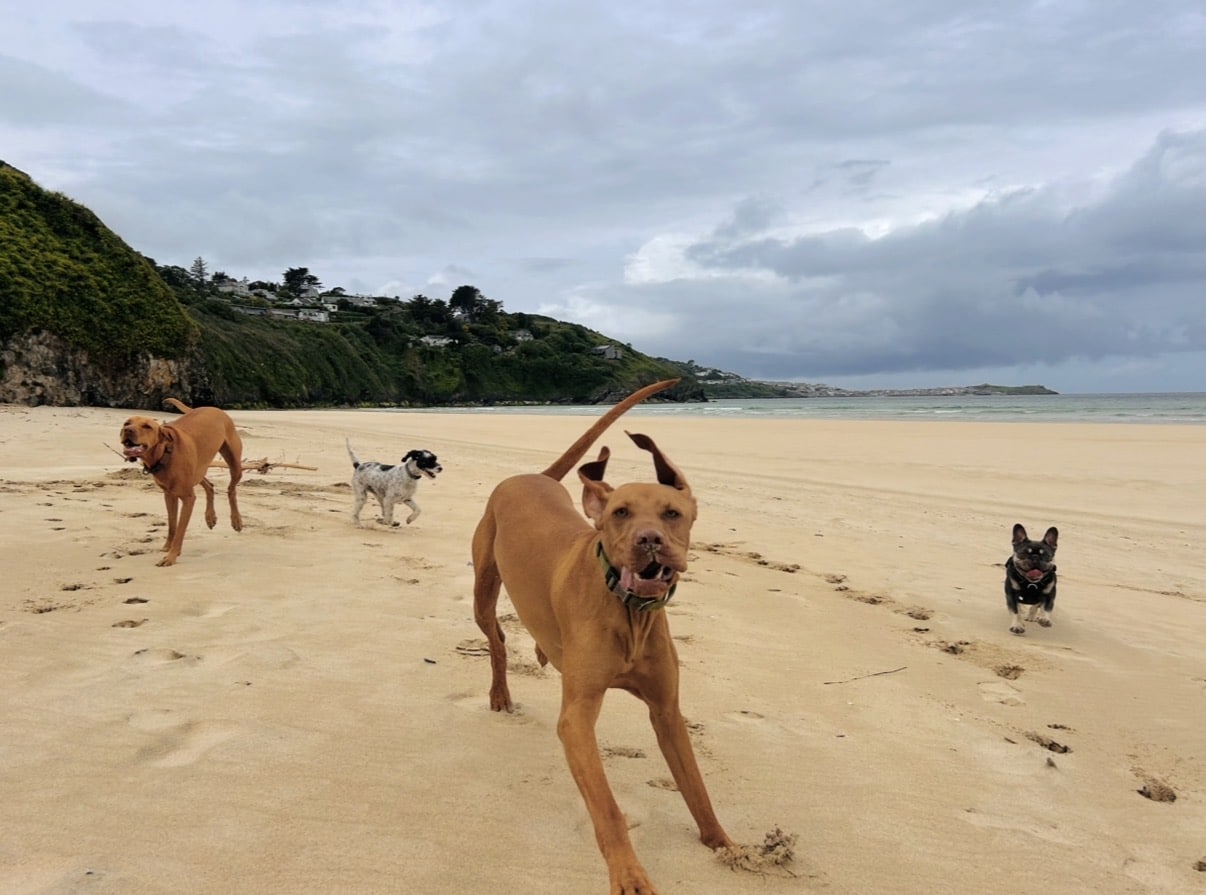
For even more solitude, head west – just across Hayle river mouth – to Porthkidney Sands. Dubbed ‘Happy Dog Beach’ by locals, this wild, wave-lashed mile of shore, reached by a track from St Uny Church, is frequently the domain of just a handful of frolicking dogs and their happy owners. It’s often quieter than the Hayle to Godrevy stretch, with the dog-friendly Birdie’s Bistro nearby too.
Secret season is made for four paws. Find your perfect dog-friendly stay in Hayle.
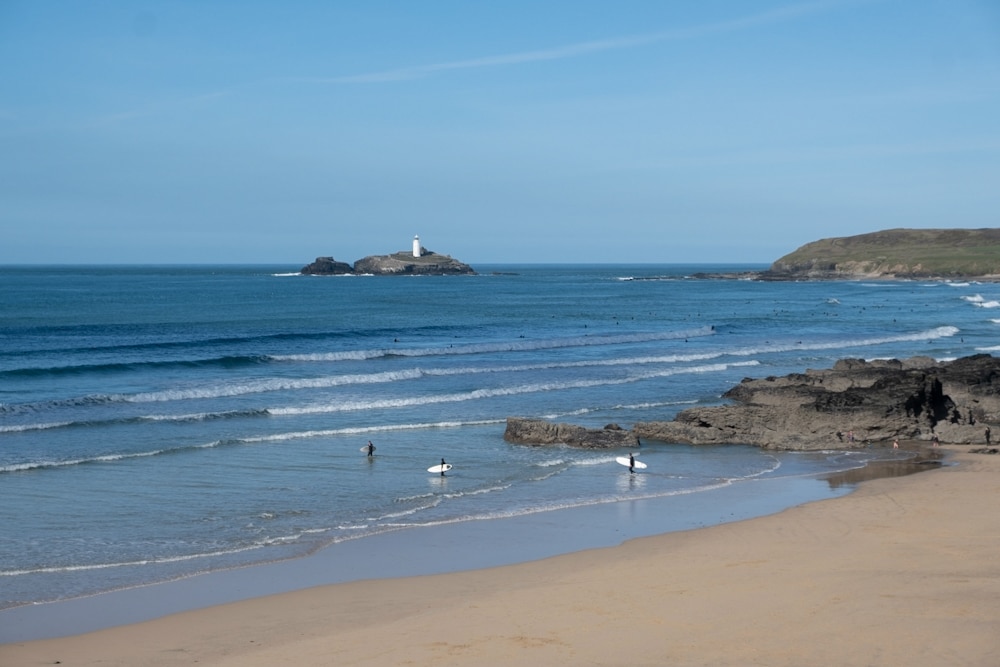
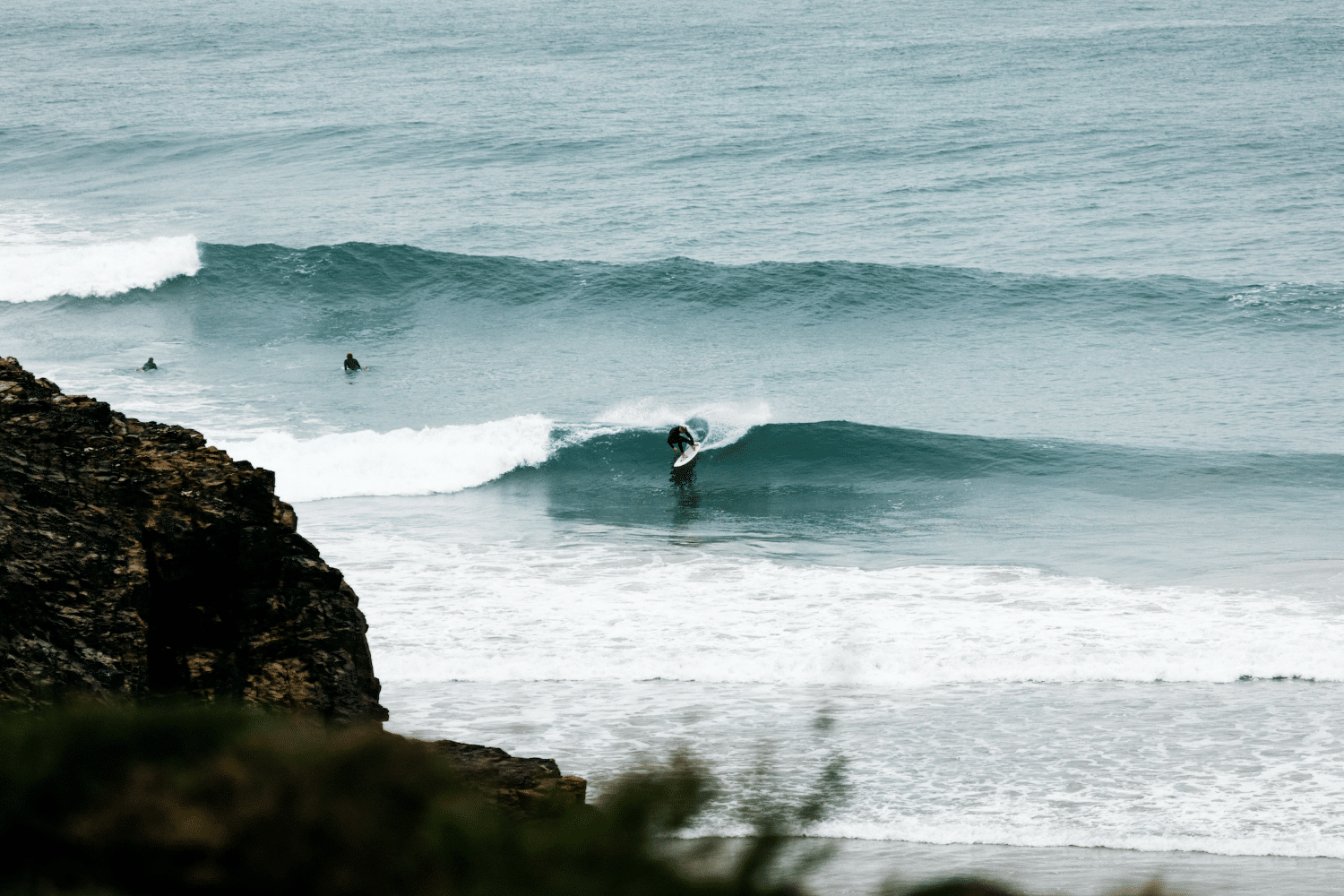
Colder, but not unwelcoming, what is it about the atmosphere of the coast in winter that draws us in? And why is maintaining our connection to nature year-round so important?
Summer is the peak of coastal activity: as temperatures drop, t-shirts are swapped out for woolly jumpers and the shore empties out. The sea turns an icier shade of blue, and as nature winds down around us, we often follow suit. But what do we miss if we miss out on time by the sea? And what draws us to the coastline in the colder months?
Image credit: Abbi Hughes
There’s beauty to be found in the cold, especially along rugged stretches of coast. A change in the seasons doesn’t have to keep us away. In fact, this darker, cooler atmosphere can be what draws us in.
Writer Wyl Menmuir’s book Draw of the Sea examined people’s relationship to the coast. For Wyl, winter is a time to appreciate the shifts in the landscape – nature is exposed and heightened. And by the sea, we’re at a boundary line: “Perhaps we can see nature at its rawest when we’re standing on the edge of the land, rather than in the middle of it. It taps into our desire to experience the sublime, which is something I’ve always been interested in.”
The sea might be turning colder, but the waves get bigger, and its colour becomes deeper, more complex. Weather patterns shift, affecting the way water moves, and all of this becomes so much more noticeable.
The sea during winter can put things in perspective, says Wyl. This comes with being at odds with nature at its most volatile – and that’s exciting, whether you’re right there in it, or watching from afar. “I can sit on the cliffs and watch surfers riding enormous waves in the autumn and winter swells, here in Cornwall on the north coast,” he explains. “And it’s those times where I see people riding really challenging waves, and, for me, the sea is just more interesting to watch when there’s a lot more movement in it.”
Against the high winds, dramatic cliffs and outcrops, this is where comfort is found. Wyl finds that the long views of the coast, the water, give a sense of perspective. Against the backdrop of something as expansive as the sea, our problems and fears feel smaller, more manageable.
Wyl compares that feeling, of standing on the cliff face, looking out at the water, to staring up at a dark sky full of stars. After confronting the enormity of nature, we feel more comfortable in our place within it. There’s a certain meditation to be found.
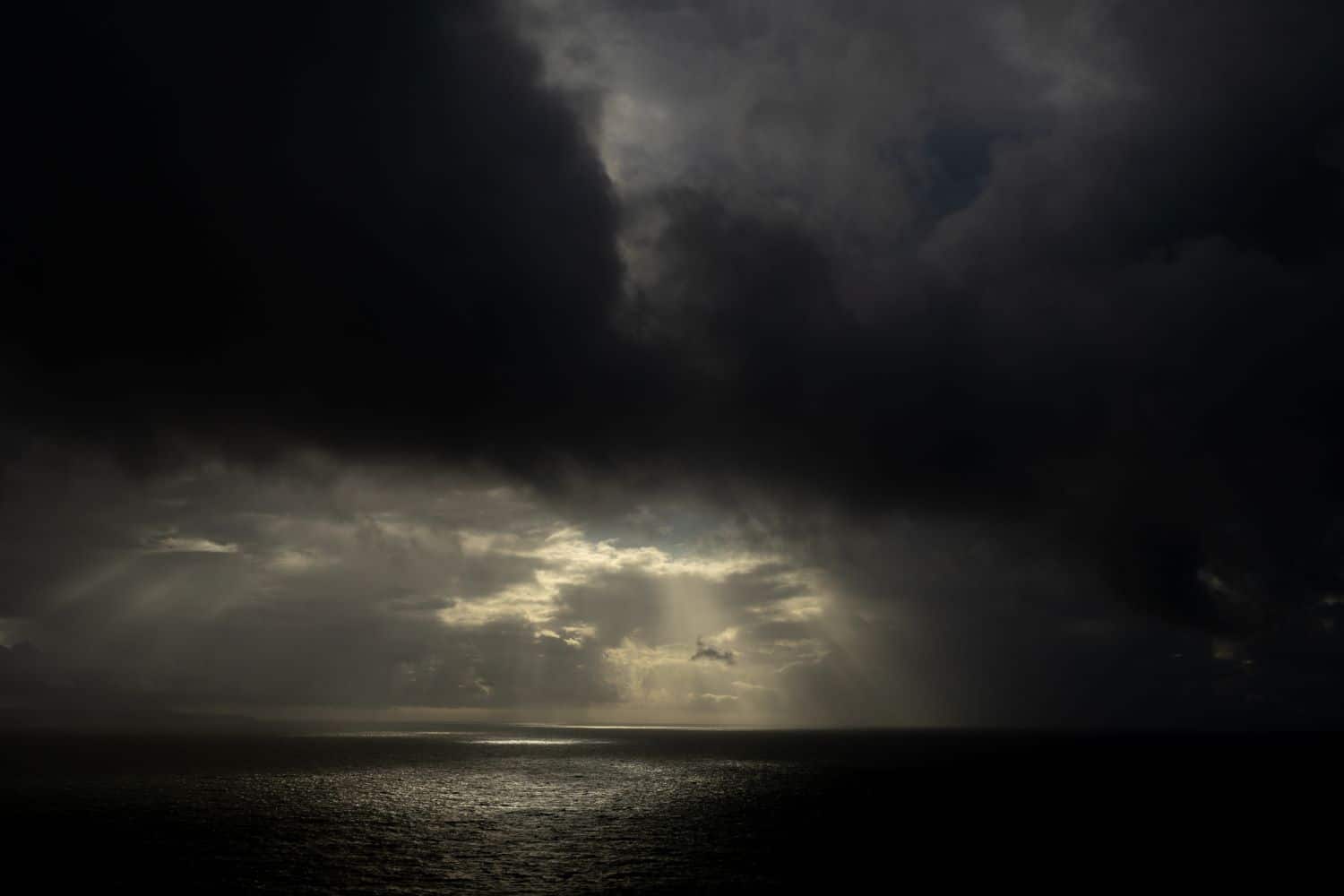
Image credit: Abbi Hughes
The wind, the skies, the sea, all have a profound effect on the mind and body. The human connection to nature is a powerful one – for many, it’s the key to surviving through tough times, a way to keep centred. Lizzi Larbalestier, of Going Coastal Blue – a blue health coach, spends time in blue spaces all year round, and encourages others to do so too, whether it’s actually getting into the water, or simply walking alongside it.
Movement, Lizzi says, is crucial for mental and physical health. “The coast encourages us to get outdoors, dressing for the weather to enable us to take in the fresh air and embrace the elements, creating a primal sense of nature connectedness that promotes stress reduction and improves sleep.”
As the coastline quietens down during winter, transforming into a more peaceful and quieter environment – it is a great place to pause and reflect on the year, with plenty of space to absorb the sweeping horizons, vast open skies, and glistening shoreline. “Spending time in blue space,” Lizzi says, “allows us to breathe well, to slow down, to think more clearly, to feel much more connected with ourselves, with each other and with the planet.”
With the approach of winter comes a desire to hunker down, sink into creature comforts, embracing warmth and light wherever we can find it. As Lizzi notes, getting natural daylight and spending time outdoors during this time of year is incredibly important for our wellbeing and that includes our physical and emotional health. But sunlight can be scarce mid-winter, so we should embrace and enjoy it where we can.
Spending time by water is great for our mental health. Water, in all seasons, in all forms, is inherently soothing. We are drawn to its feel, its colour and sounds. Lizzi explains that simply watching the waves can calm us down, creating “attention restoration with less complex and frenetic landscapes allowing our mind to drift into a more meditative state.”
“We breathe differently at the coast,” explains Lizzi, “positively impacting our heart rhythm, lowering blood pressure and enabling our nervous system to move into a parasympathetic state of rest and recovery.”
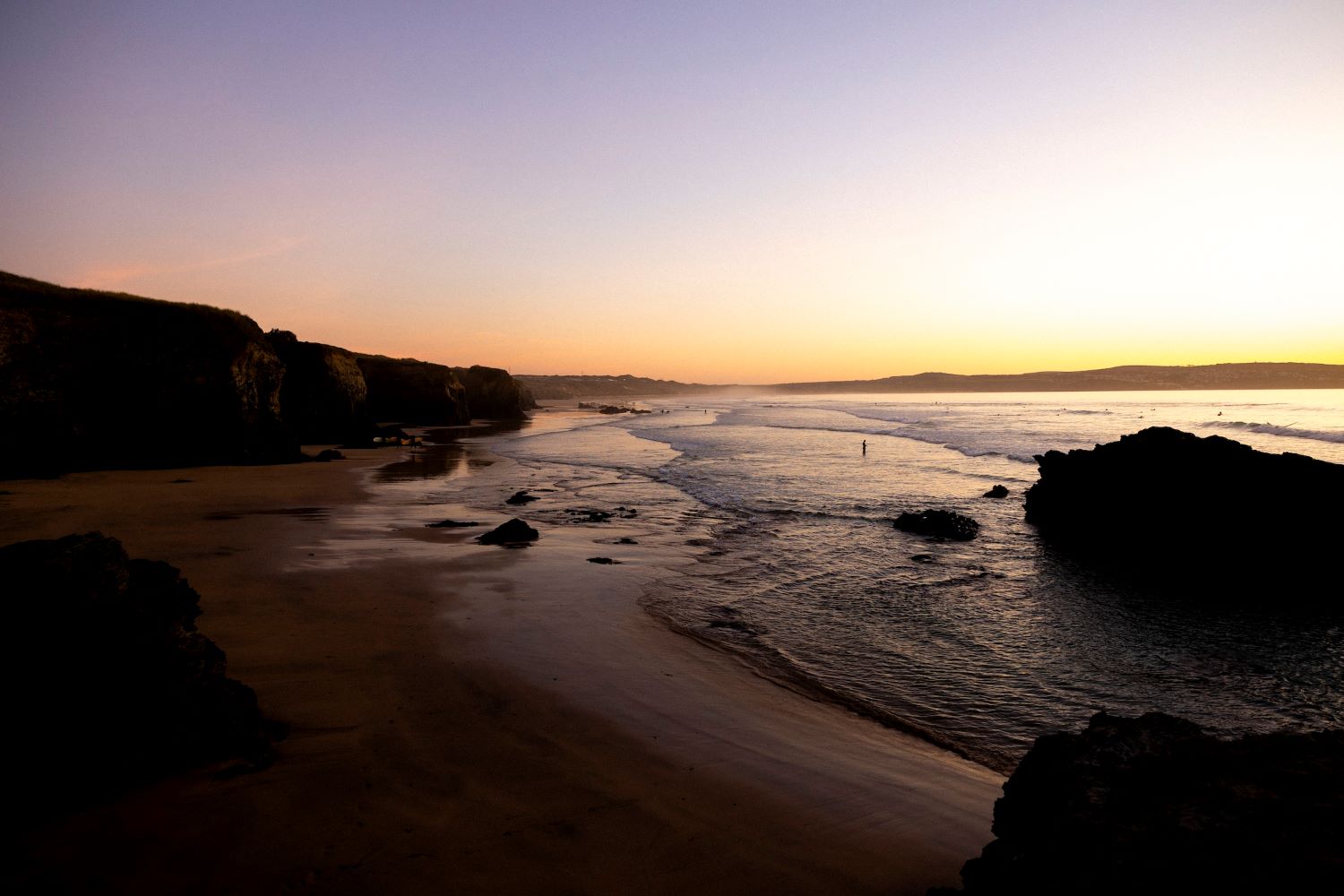
Image credit: Abbi Hughes
Lizzi depicts the sea as a “therapist or health practitioner, a partner for our lives to guide our intuition and keep us well”. “We gain a lot from a strong connection to the coast, but our relationship with all of nature is symbiotic.” she says. We can gain from it, but also need to give back.
“Take three for the sea,” recommends Lizzi. “Conduct a mini beach clean or get involved in a large community beach clean with the local community – these organised collective events not only help the ocean but being part of something purposeful in the form of community activism and advocacy can boost positive ‘feel good’ neuro chemicals like oxytocin and dopamine associated with what is known as the ‘helpers high’.”
From experiencing the sublime to feelings of perspective and breathing in the physical and mental benefits of being by the sea, there’s much to draw us to that unique beach atmosphere in the colder, quieter months.
This #SecretSeason, stay footsteps from the coastline: experience the beach atmosphere benefits.