The 2026 interior edit
Designing a coastal holiday home with longevity, and adaptability to the seasons, is essential. With the inevitable sand after long, summer days spent on the beach, and the wet wellies and coats after a wintery walk to blow away the cobwebs, your interiors need to work hard. The most successful holiday homes balance beauty with durability and functionality – luxury that feels effortless, not fragile.
We speak to Jemma Barnard Interior Design who shares her best design advice, tips and inspiration for the year ahead.
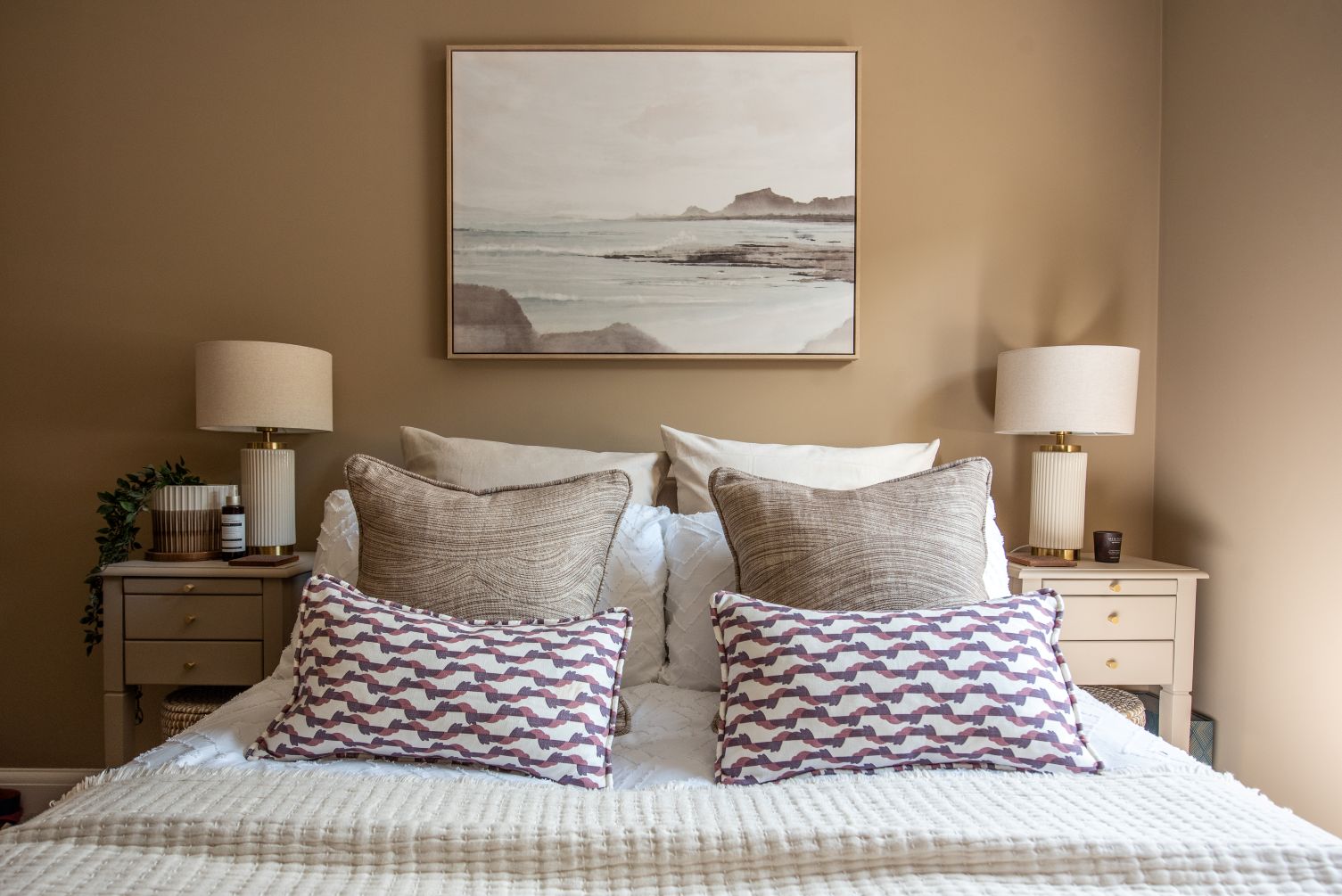
As we look into 2026, coastal interiors are continuing to evolve. The nautical look is being retired, and instead we’re seeing elevated, landscape-led schemes inspired by rock formations, coastal vegetation and inky sunsets. It’s a much softer, more sophisticated interpretation of coastal living – one that enhances the guest experience and photographs particularly beautifully for booking platforms.
Refreshing without renovating
A full interior renovation isn’t always required – there are so many small touches you can add to your holiday home to give it the refresh it deserves. It is standard practice to frequently refresh the paintwork in a rental property, but instead of defaulting to safe white, why not be more intentional with your colour choices?
Colour palettes will always be ‘on trend’ if they draw inspiration from the landscape surrounding you – stormy blues, muted sea greens, chalky neutrals, soft clay tones and warm driftwood hues. Choose three to five colours for each room (an odd number always works best) that harmonise across the entire property, to create cohesion and flow. Use these palettes to direct paint colour, but also textiles, lighting and accessories.
Consider the orientation of your home too. North-facing spaces benefit from warm neutrals and earthy undertones to counteract cooler light. South-facing rooms can carry stronger, cooler statement tones that embrace the natural brightness. Paint alone can completely transform a space – it’s one of the most cost-effective ways to modernise your interiors for the 2026 season.
Layered lighting, that allows guests to create different lighting moods, day and night, is another simple upgrade. Swapping basic pendants for sculptural fittings, adding reading lights beside beds, or introducing table lamps in living areas, instantly creates that boutique-hotel atmosphere guests increasingly expect. And always opt for a warm white bulb rather than a cool one, that makes all the difference!
Creating meaningful moments
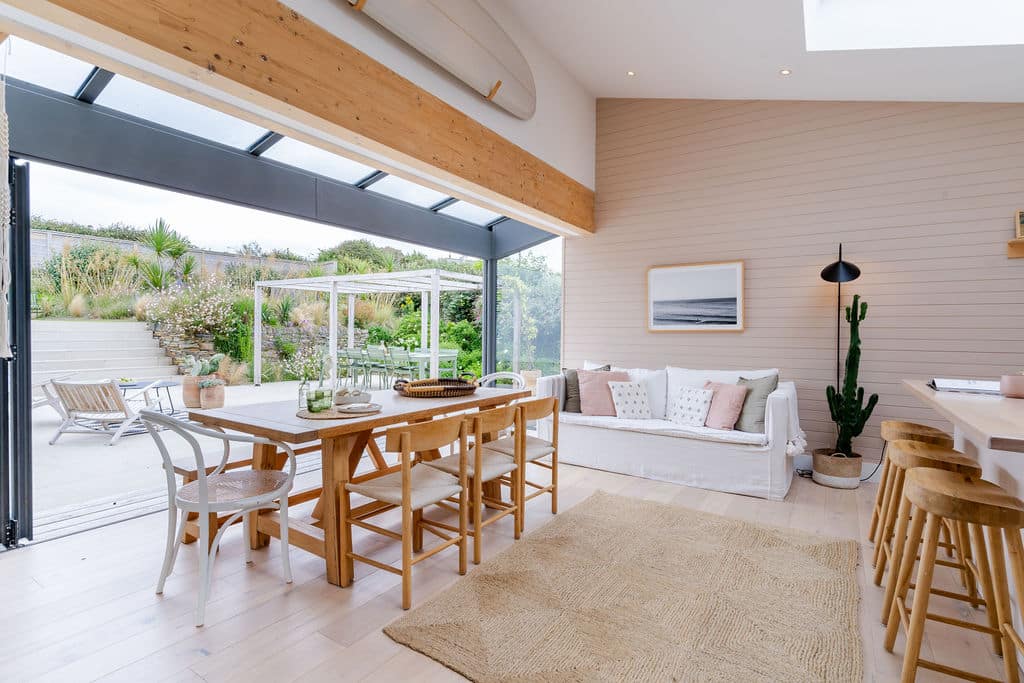
It is important to create corners of interest for your guests – creating different moments of intrigue, to suit a variety of activities. A carefully curated pile of books, with a comfy armchair, reading light and side table encourages them to switch off from their digital devices. A generous dining table at the heart of the home, with genuinely comfortable dining chairs, invites guests to cook and dine together, creating invaluable conversation and laughter. These are the spaces where real memories are made.
An amenity like a hot tub or pool table is a gratefully received bonus, although not essential. Often, the simplest design gestures – a board game cupboard, a window seat overlooking the sea, an intriguingly styled coffee table – foster connection and relaxation in a more meaningful way. Designing a holiday let for guest experience, rather than just appearance, is what elevates a holiday let from pleasant to unforgettable.
Balancing style and practicality
Holiday homes endure far more wear than our private homes, so furnishings and finishes must be chosen very carefully. Key items to invest in are upholstered furniture, mattresses and window treatments – they need to be specifically designed for durability, safety, and longevity, which is especially important in high-use, short-term rental environments. They are what I call ‘high-contact elements’ and they directly influence guest comfort and subsequently, reviews.
Easy clean fabrics on upholstery, stain guard treatment on rugs and washable soft furnishings are also non-negotiable for me when supplying holiday lets. They ensure the interior still looks as good as it did a few years down the line, saving you time and money in the long run. Decorative items like styling accessories, artwork and smaller lighting pieces, can be sourced more flexibly. Retail suppliers and second-hand shops are excellent for affordable and characterful finds – allowing for easy seasonal updates without significant costs.
Supporting local
While larger furniture pieces often come from established suppliers, I always encourage clients to source smaller items locally, where possible. Artwork, ceramics, soft furnishings and accessories from independent makers or antique shops, add personality and a deeper connection to the local area. These personal touches tell a story – and story-driven interiors resonate strongly with guests.
Style any surface thoughtfully: shelves, console tables and chest of drawers can display meaningful objects, coastal finds, framed artwork or locally made ceramics. Editing is key, and the area should look curated, and peak guest interest, rather than cluttered. A successful holiday leaves a lasting memory. It will be these carefully considered details, alongside the spectacular coastal setting, that create emotional attachment – leading to return visits and recommendations.
Sustainability and longevity
Sustainability and longevity are now far more important than trends – an interior should be designed to evolve, rather than be replaced. I encourage all home owners to be environmentally responsible and commercially wise, investing in quality pieces now, that won’t date quickly or create waste.
Opt for solid wood over veneer where possible, natural fibres like linen and wool which age beautifully, repairable furnishings, timeless colour palettes and energy-efficient lighting. Guests are becoming increasingly aware of environmental impact, and subtle sustainability messaging can enhance your property’s appeal.
How I can help
Ultimately, the most successful holiday homes are those that feel intentional. Guests should sense that every detail has been considered, and the experience they have should be truly unforgettable.
Jemma Barnard Interior Design offers a range of Interior Design and Interior Styling services across Cornwall, Devon and beyond. I work with holiday let owners to elevate interiors in ways that balance beauty, durability and commercial return.
Services include:
- 1:1 Design Consultations
- Detailed Furniture Layouts
- Lighting and Electrical Plans
- Room Scheming and Decoration Schedules
- Technical Drawings for Bespoke Joinery
- Furniture and Finishes Supply
- Photoshoot Styling

The process begins with an initial two-hour consultation to discuss your brief, take key measurements and provide initial design direction. I then prepare a full design fee proposal outlining the scope of work and associated costs. If required, I can supply and deliver all furnishings, window treatments, paint and styling accessories directly to your property, before installing and styling your home ready for its first guests.
Design packages are completely tailored to each client, ensuring your holiday home feels both commercially strong and personally authentic.
To view recent projects, please visit my website.
If you have a project you feel I could help with, I’d love to hear from you: [email protected]