

Between the stones and the stars
Around Perranuthnoe lie monuments from millennia ago, where our ancestors would have looked up at the same stars we can see today. Archaeoastronomer Carolyn Kennett tells us what to see in the skies during #SecretSeason and her secret reason to be out among the monuments during the winter months.
In the far south-west of Cornwall sits West Penwith, an International Dark Sky Park and moorland filled with ancient sites, mysterious stone circles and megalithic standing stones.
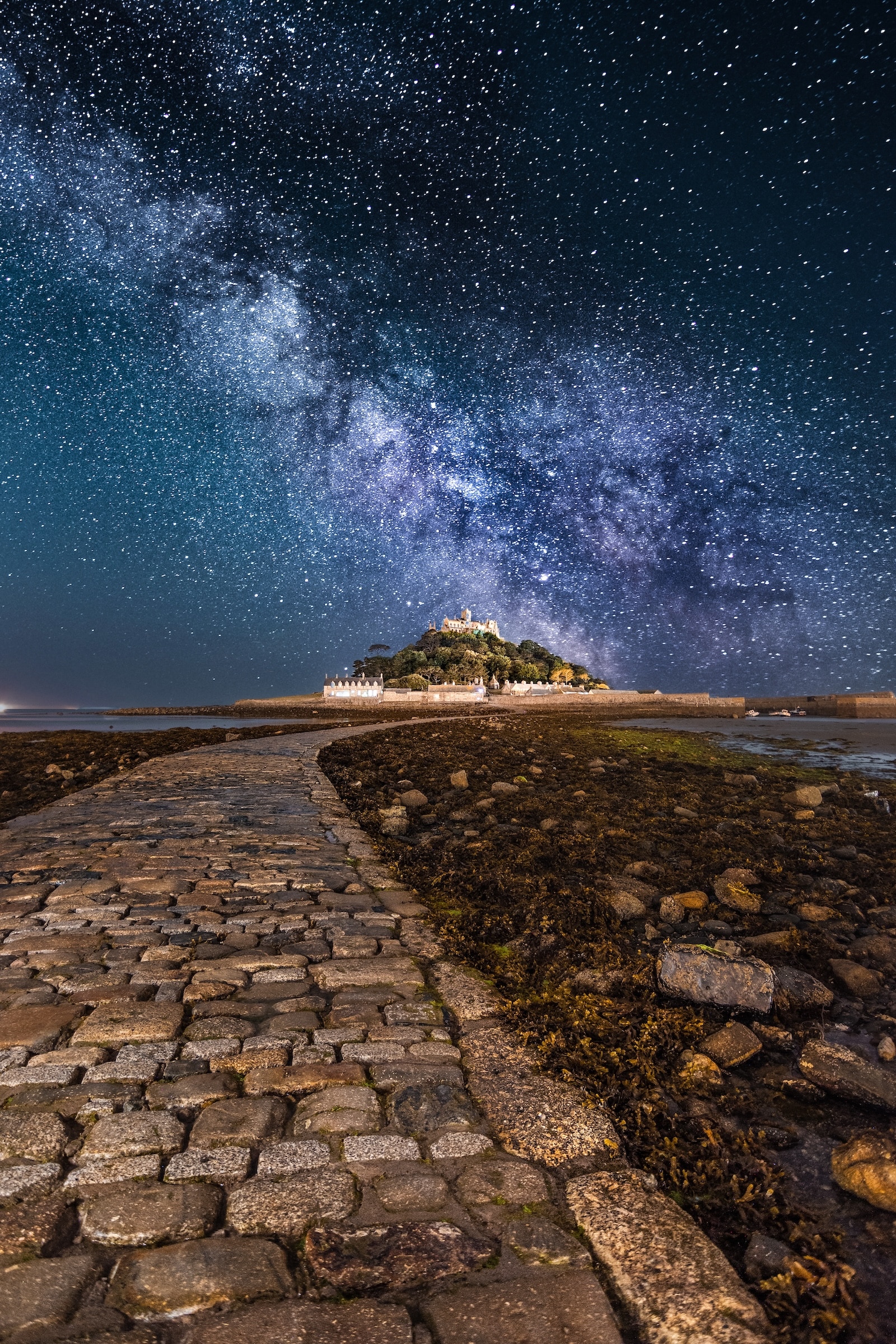
Image credit: Liam Alford
Combining dark skies observation with ancient archaeology, Carolyn Kennett’s work as an archaeoastronomer “merges archaeology with astronomy, connecting us to ancient communities who marvelled at the same skies long before the written word,” says Carolyn, who is also Chair of the Society for the History of Astronomy and a Fellow of the Royal Astronomical Society.
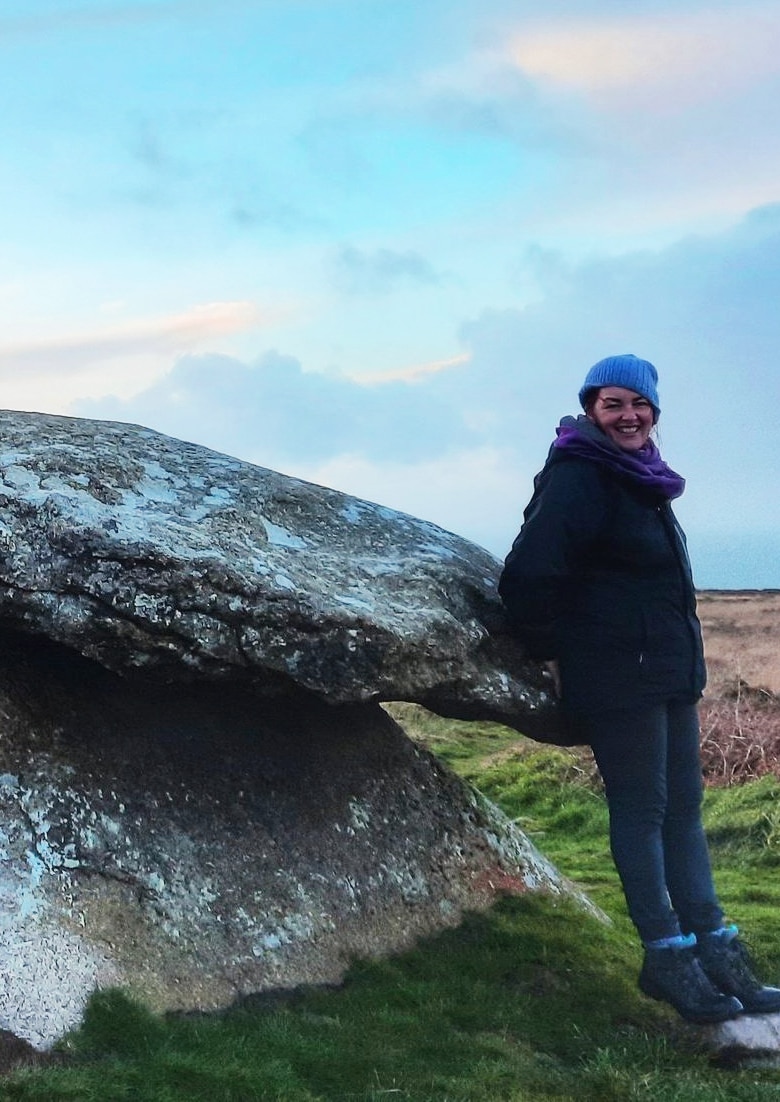
A LANDSCAPE OF ANCIENT STONES
It’s estimated that there are 700 ancient and prehistoric sites across Penwith, including stone circles, standing stones (called ‘menhirs’ in Kernewek), uniquely Cornish underground fogous, and burial barrows.
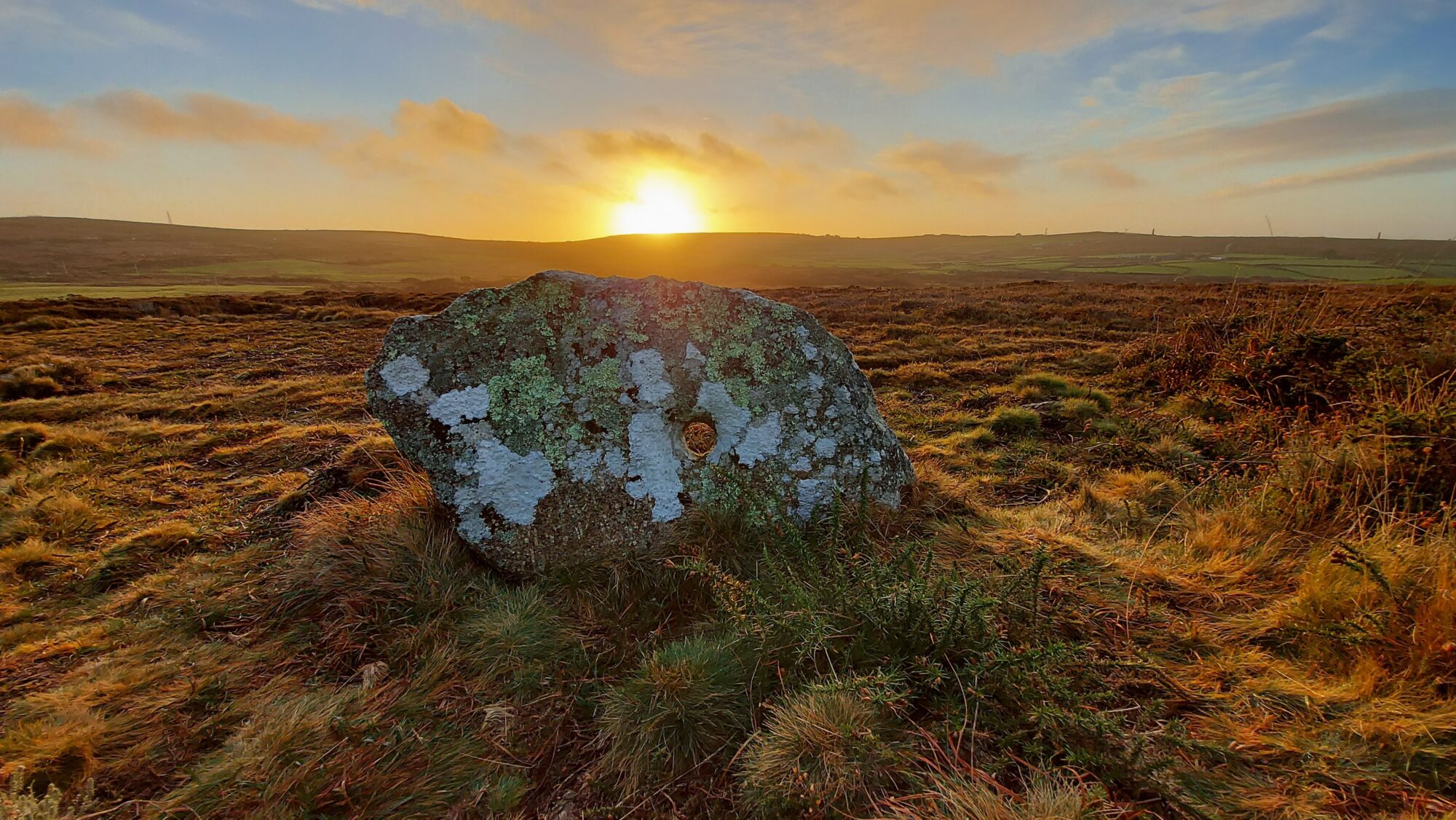
Many sites have their own folklore tales of giants, pipers, or dancers turned to stone. It’s no coincidence that these stones align with sunrises and sunsets on key dates throughout the winter, Carolyn explains.
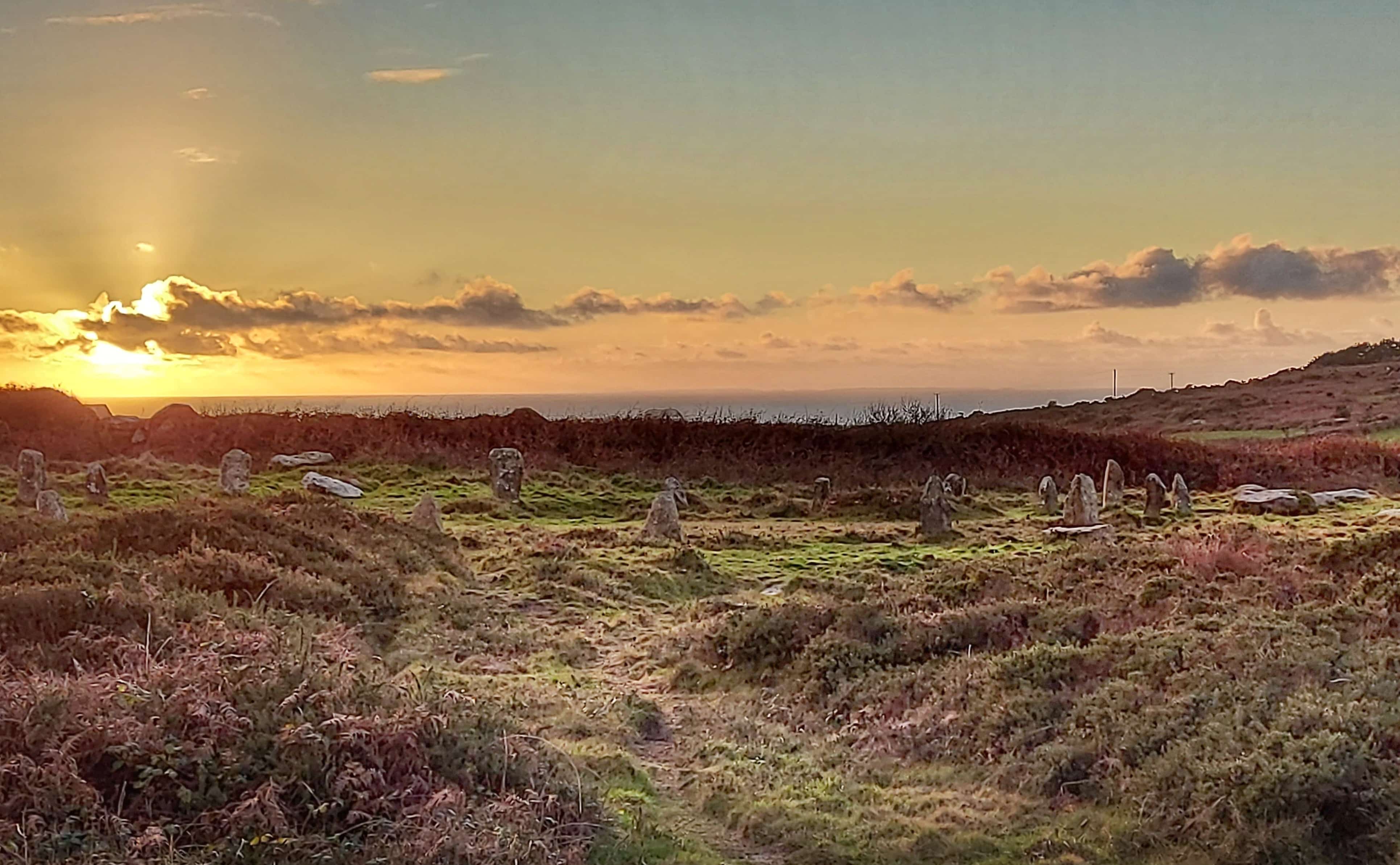
“There’s lots going on in the landscape and lots of connection with the winter sun. Boscawen-ûn stone circle has a lovely winter solstice. Sunrise on the shortest day aligns with the circle, the sea, and the Lamorna Gap. But it’s lovely to be down at that stone circle at any time of day and night.
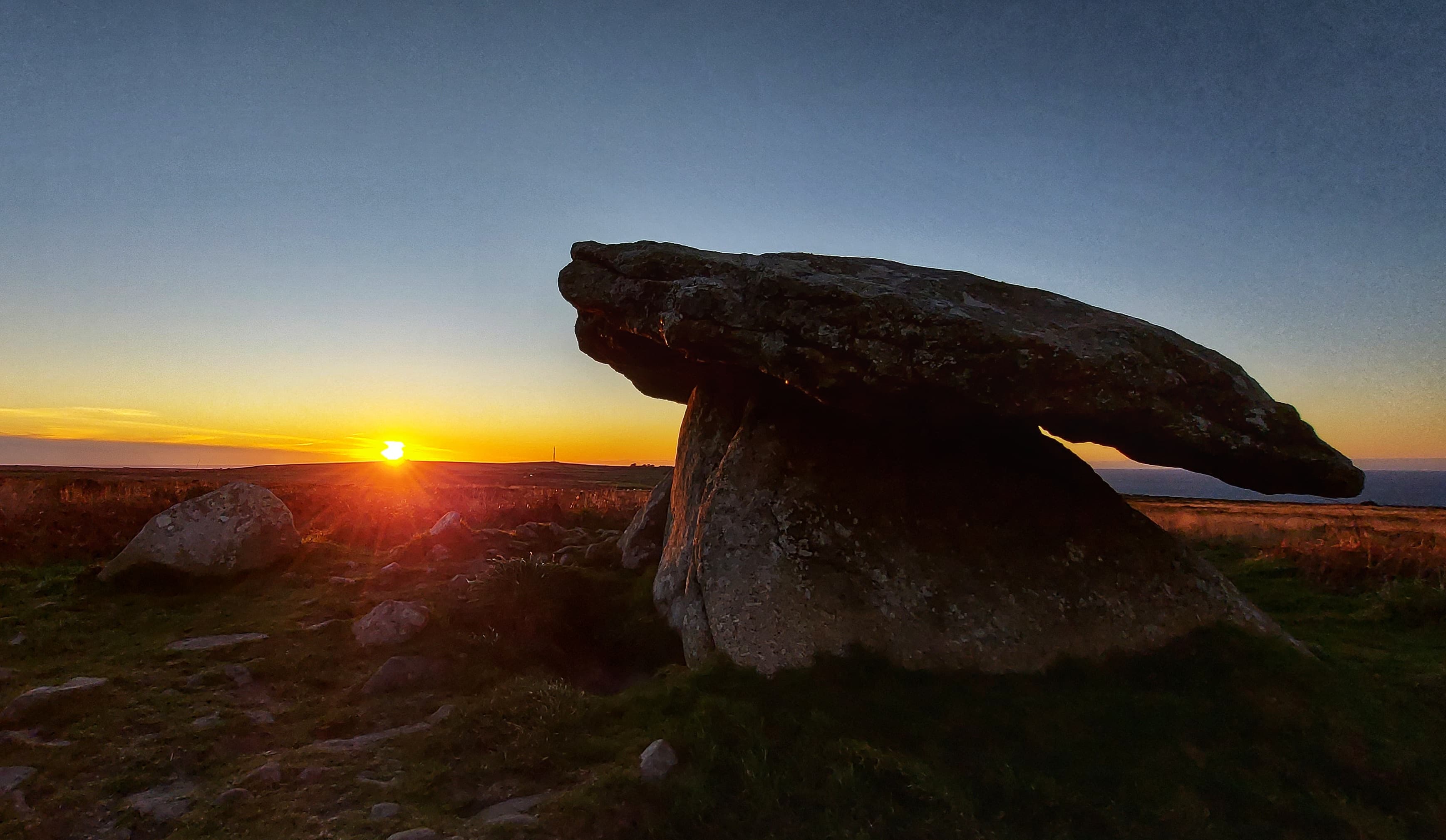
“It’s a really iconic place. For sunsets, I recommend visiting Chûn Quoit, which is a Neolithic dolmen. They get called portal tombs, and look like a tabletop. Sunset at the dolmen aligns with a tor really far to the south-west. My third recommendation is to visit Tregeseal stone circle which also has a winter solstice alignment at sunset, where it lines up with the sun setting behind the Isles of Scilly.”
WHY WE NEED DARKNESS
With so little light pollution in Penwith, it’s easy to see more stars than you could ever count. But it hasn’t always been this way. Modern artificial lighting can have an impact on wildlife, even confusing robins into singing at midnight.
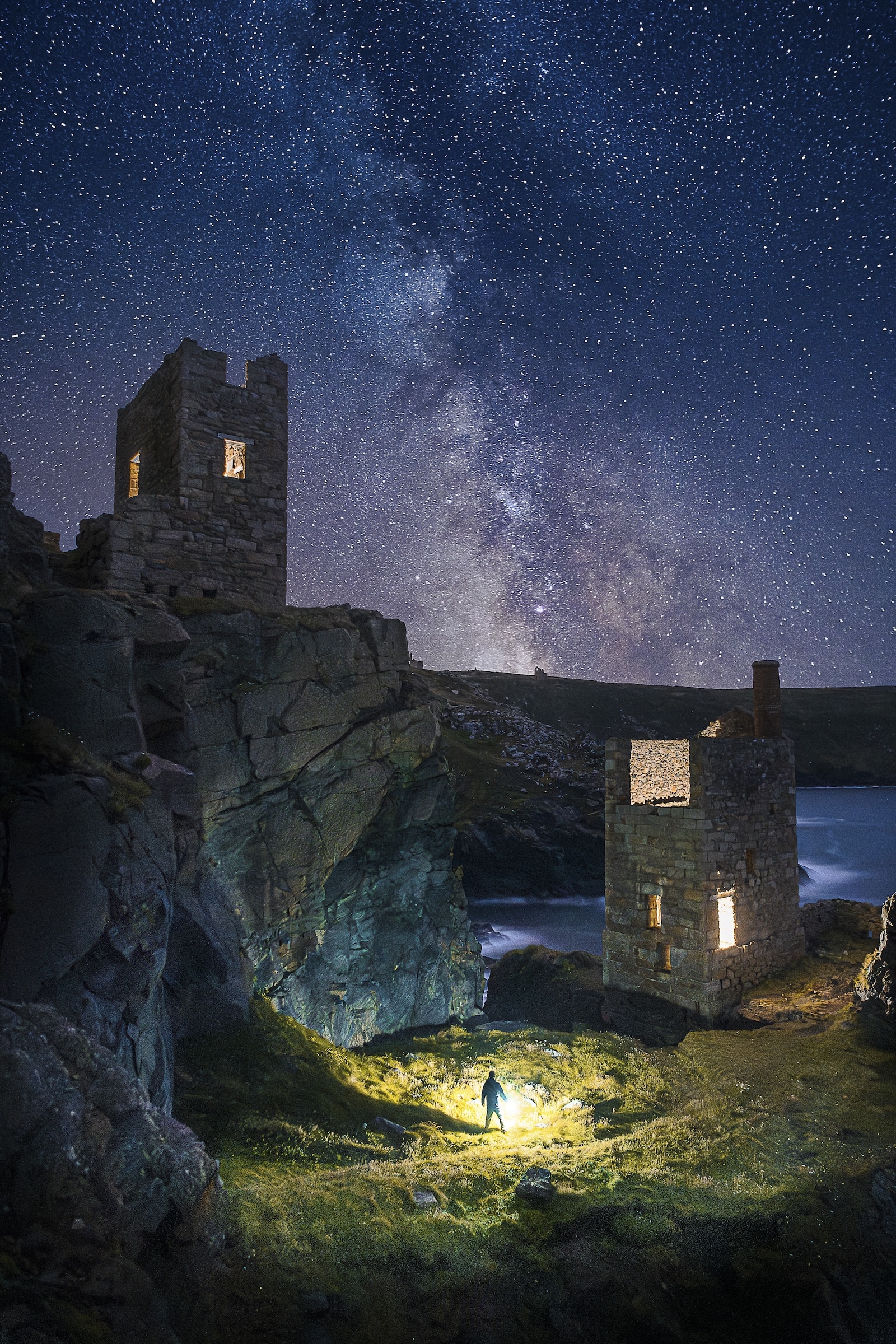
Image credit: Liam Alford
When we step away from harsh lighting and into true darkness during the evening and nighttime, our eyes adjust, and we can sleep better, and perform better.
“In Penwith, you can see the Milky Way pretty readily, as soon as you move away from the lights,” Carolyn says. “And that’s a really important thing. Less than 90% of people around the world can see the Milky Way from their doorsteps. It’s really special. It’s what humans have always had, until the last 150 years when that’s been taken that away from us, that darkness of the sky.”
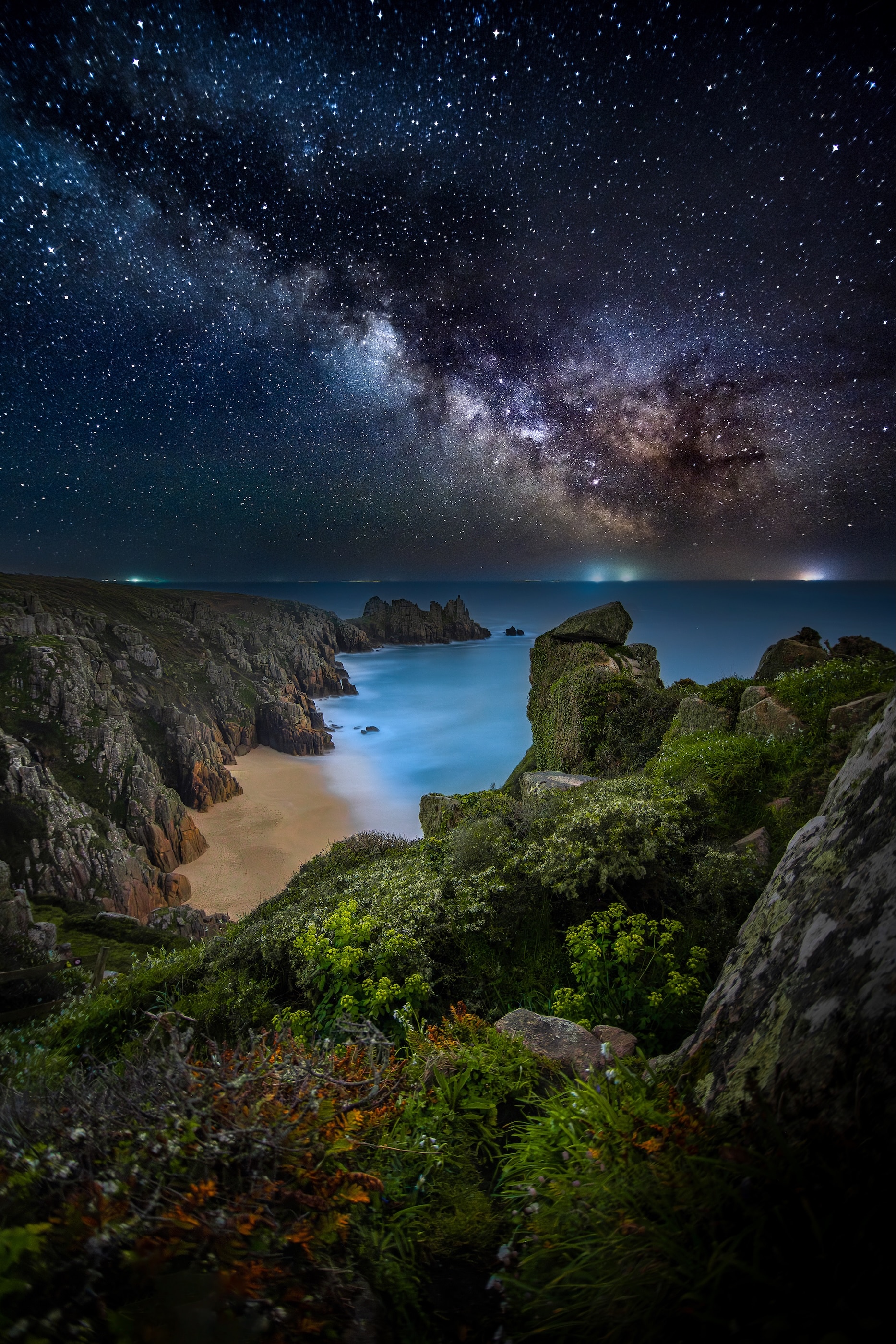
Image credit: Liam Alford
The changing seasons affect our moods as well as the light. “Now we’re in winter and it’s darker, I’m finding it harder to motivate myself out of the door in the morning,” Carolyn says. “But if you think back in history, people living by these ancient sites would have probably taken winter to reflect and have a slower pace of life. The dark skies allow that kind of circular rhythm to still happen.”
“Because we have these spectacular skies and spectacular ancient sites, merging them together can be really awe-inspiring. It’s a really beautiful thing when it all comes together at once.”
SEASONAL CLARITY
A relatively small landmass reaching out into the Atlantic, Cornwall’s seasons are largely governed by the oceans, which can be a real boost for stargazing, as Carolyn explains: “When we get heavy rain, it’s sometimes followed by a really clear, pristine night sky, and that’s because the rain has washed all the pollution and atmospheric particles out of the air.
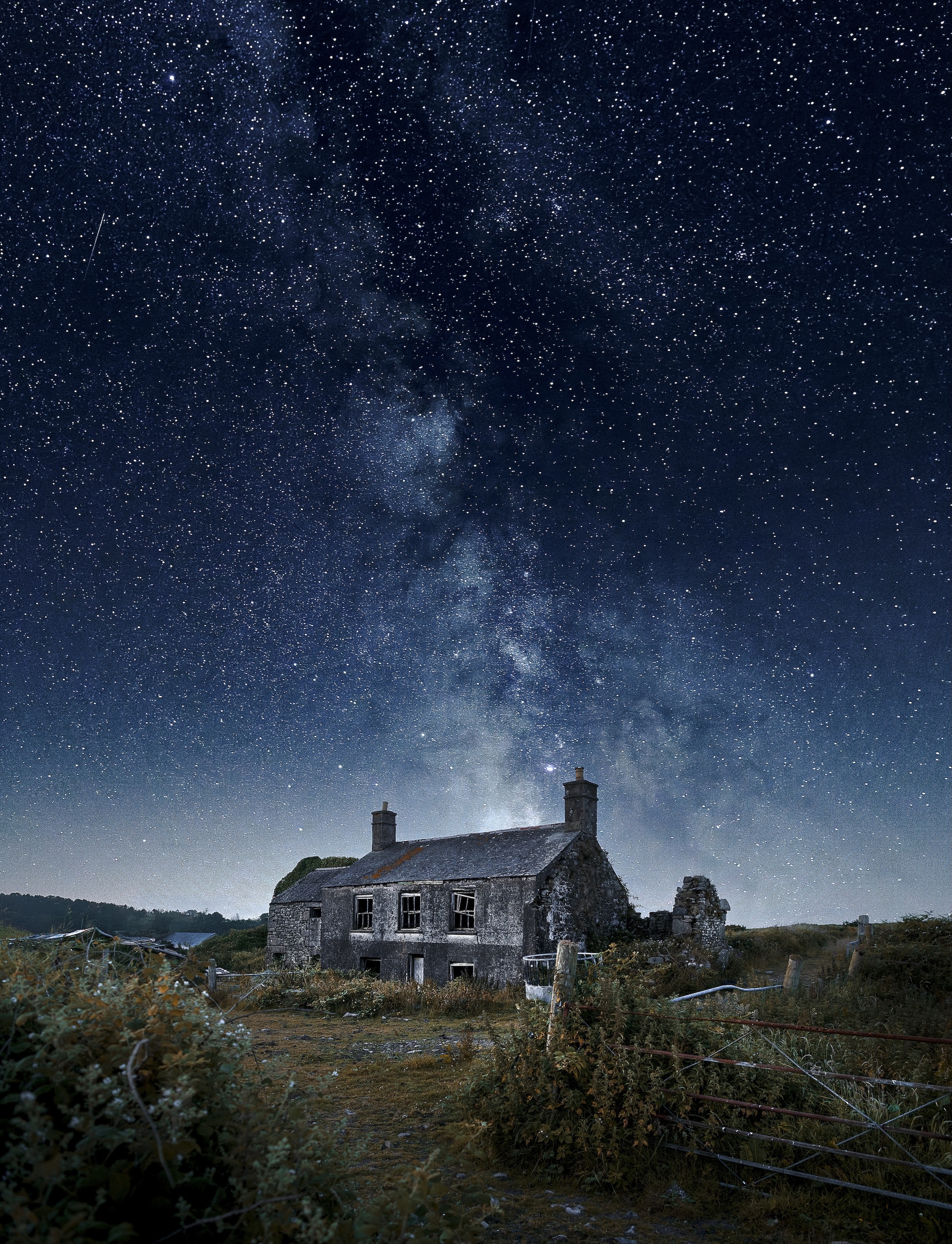
Image credit: Liam Alford
“You can see some deep sky objects really clearly and in better condition than you would further up the country.”
Wrap up warm and gather your binoculars to spot some of Carolyn’s astronomical events this #SecretSeason.
- Find the three stars in a row to the south that form Orion’s Belt and look for a heart-shaped smudge: that’s the Orion Nebula where stars are born.
- Experienced stargazers can spot the Andromeda Galaxy, our nearest neighbour. Follow the square of Pegasus as your guide. You’re looking for a distant smudge in the sky, and that’s Andromeda.
- Winter skies make it easy to spot Saturn. Through binoculars you might even see its rings, formed from rock and ice in deep space.
- Keep your binoculars handy and spot the four main moons of Jupiter – there are 95 all together.
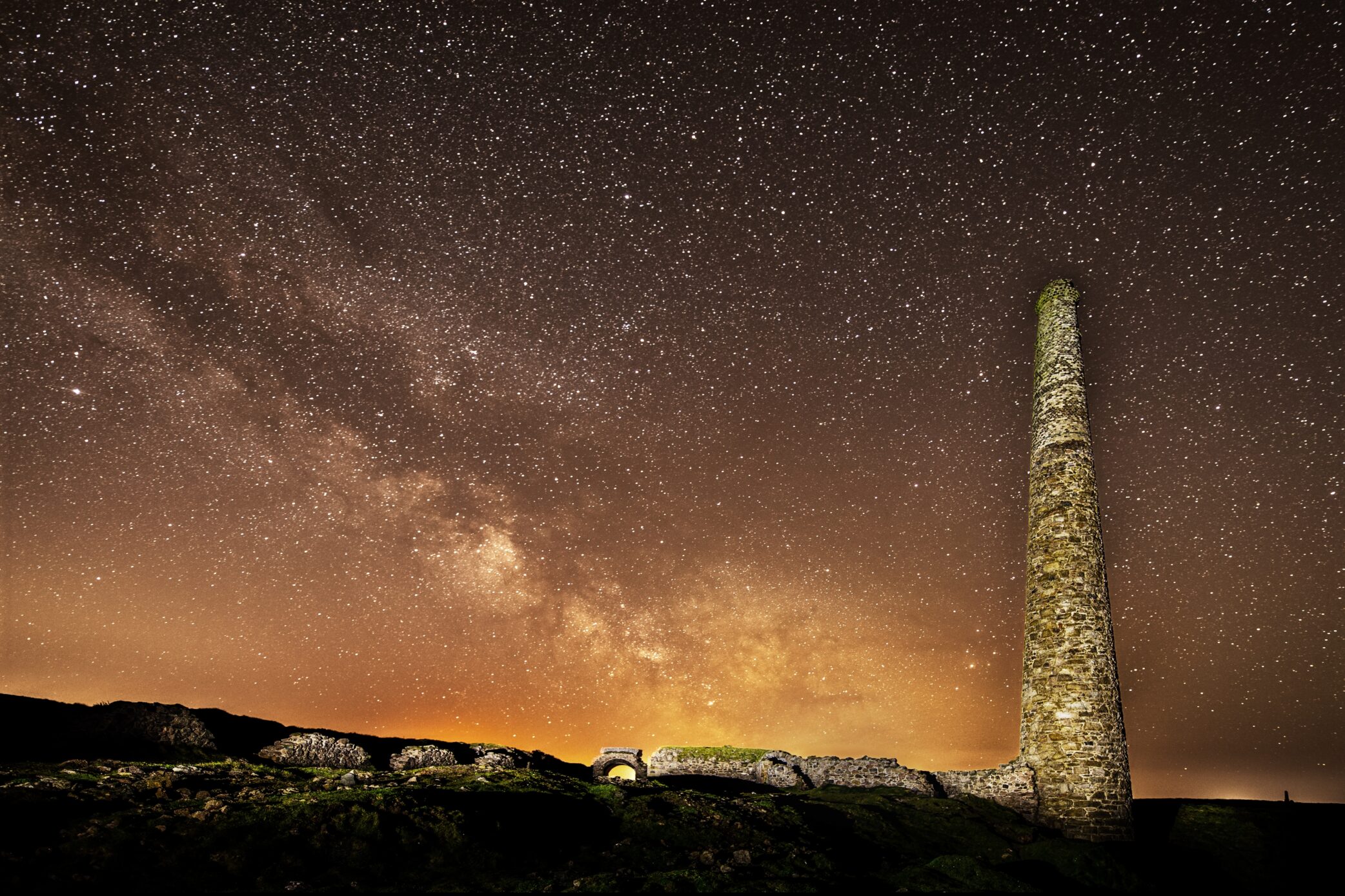
Image credit: Robert Harvey
A TIME FOR SKY EXPLORING
Carolyn organises guided walks around Cornwall’s ancient monuments, and you can join her on the winter solstice to celebrate the shortest day and the return of the light.
“It’s a great time to wrap up and head out,” Carolyn says. “It’s getting dark early so we can all go out without having to wait up ’til midnight. And the winter sky is incredible.”
From starry skies above St Michael’s Mount to transcendental sunsets at stone circles, find your secret reason to be by the sea at Perranuthnoe.